
If you own or are considering buying an older property in the UK, damp is one of the most important issues you will face. Pre-1940 homes — Victorian terraces, Edwardian semis, Georgian townhouses, period cottages — were built with materials and methods that have very different relationships with moisture to modern construction. Understanding why older properties are so vulnerable, and what to do about it, is essential for protecting both your investment and the health of anyone living in the property.
Across Ipswich and Suffolk, older properties make up a significant proportion of the housing stock. From the Victorian terraces of the California district and the Saints area to Edwardian semis along Woodbridge Road and centuries-old farmhouses across rural Suffolk, we deal with damp in older buildings every single day. The problems are consistent, the solutions are well-established — but getting the diagnosis right at the start is everything.
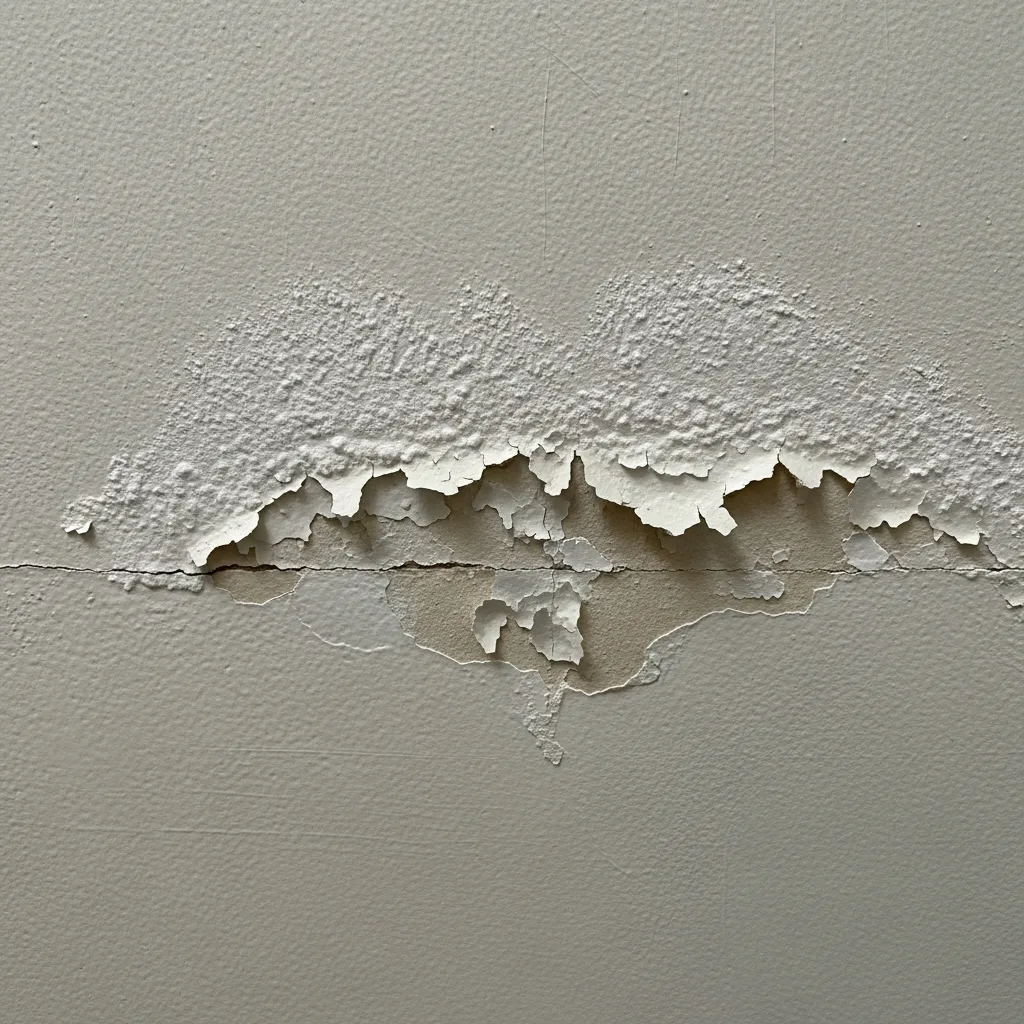
Why Are Older Properties So Prone to Damp?
Older properties are more prone to damp because they were built without the modern moisture barriers, cavity walls, and reliable damp proof courses that have been standard since the mid-twentieth century.
Pre-1940 construction relied on porous materials — soft brick, lime mortar, stone — that were designed to be "breathable". They absorbed moisture and released it through natural evaporation. The system worked well when the materials remained breathable throughout. The problem arises when modern renovations introduce impermeable materials into these old buildings: cement render instead of lime render, vinyl paint instead of limewash, gypsum plaster instead of lime plaster. These trap moisture inside the wall, and the slow-release evaporation mechanism breaks down.
On top of this, the damp proof courses (DPCs) that were installed in late-Victorian properties — usually strips of slate or bitumen felt — have had over a century to crack, shift, and deteriorate. Many properties built before 1875 had no DPC at all. And original external renders, flashings, and pointing have often been repaired with incompatible materials or have simply failed after decades of exposure to the UK climate.
No Cavity Wall
Victorian and older properties were typically built with solid walls — one or two brick widths thick, with no air gap. Moisture has a direct path from the exterior face to the interior.
Failed or Absent DPC
Many pre-1920 properties have no DPC, or a DPC made of materials — slate, bitumen, lead — that have long since cracked or deteriorated, leaving no barrier against rising moisture.
Impermeable Renovations
Cement render, vinyl paint, and modern gypsum plaster trap moisture that the original breathable materials were designed to let escape. This accelerates the damage from any moisture present.
The Five Main Types of Damp in Older Properties
1. Rising Damp
Rising damp occurs when groundwater is drawn upwards through the porous masonry of a wall by capillary action. It is the classic damp problem associated with older properties, and it happens when the DPC is missing, has failed, or has been bypassed by raised ground levels or render applied over the DPC line.
The telltale signs are a horizontal tide mark up to about one metre above floor level, white salt deposits (efflorescence) on the plaster or brickwork, and decaying skirting boards. It almost never appears above ground-floor level — if damp is higher up the wall, it is almost certainly a different cause.
2. Penetrating Damp
Penetrating damp is caused by water entering through the external fabric of the building — through failed pointing, cracked or porous render, damaged flashings, blocked gutters, or defective window seals. In older solid-wall properties, even a small gap in the external surface can allow significant quantities of water into the wall.
Unlike rising damp, penetrating damp tends to appear as patches that worsen during and after rainfall. You might notice damp patches on chimney breasts (where the flashing has failed), on upper sections of external walls (where render has cracked), or on ceilings below flat roofs or overflowing gutters.
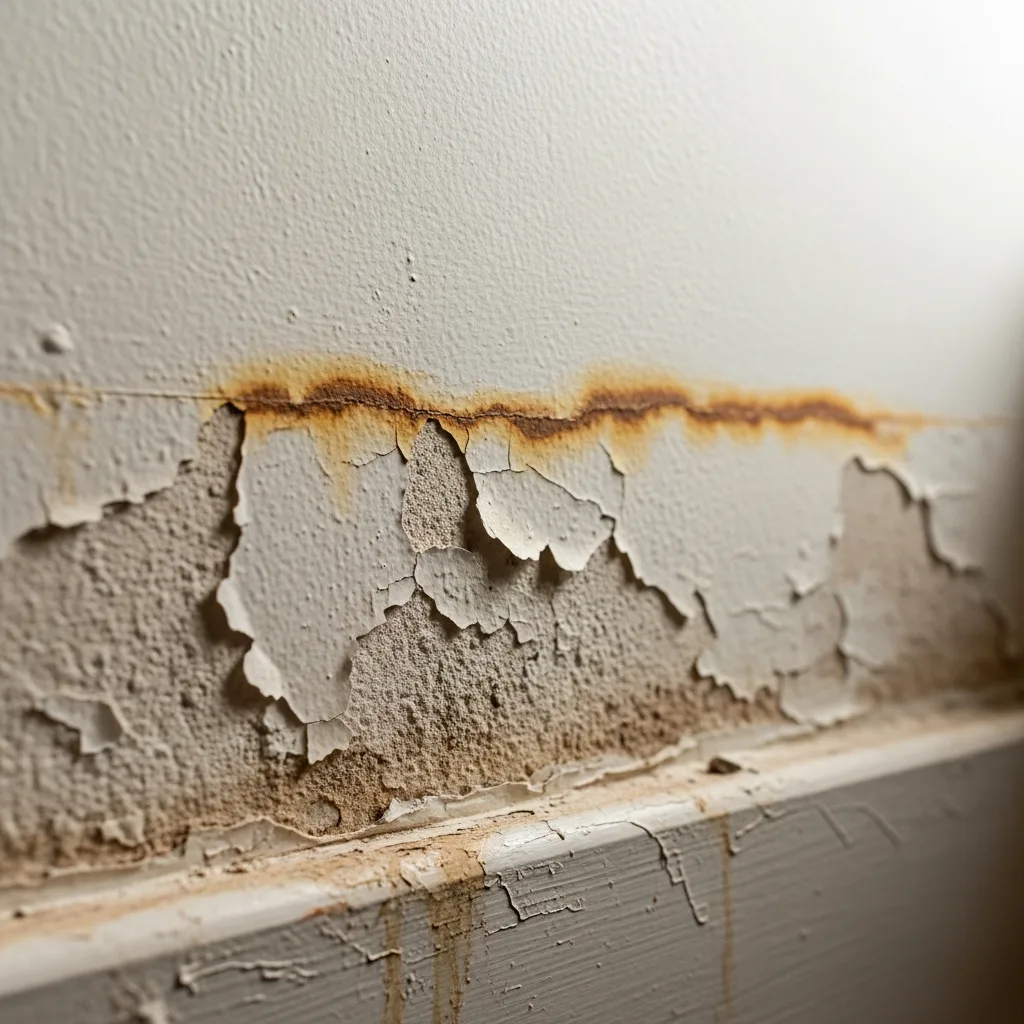
3. Condensation and Black Mould
Condensation is caused by warm, moist air inside the property coming into contact with cold surfaces — external walls, windows, and uninsulated areas — and depositing its moisture. It is most visible as black mould on cold surfaces, and is particularly common in older properties with solid walls that get very cold in winter, especially where modern draught-proofing has reduced natural ventilation.
Condensation is consistently misdiagnosed as rising damp. The distinction matters enormously: injecting a DPC will not fix a condensation problem, and improving ventilation will not fix rising damp. Correct diagnosis is the foundation of effective treatment.
4. Timber Decay — Wet Rot and Dry Rot
Where persistent moisture meets structural timber, the result is decay. Wet rot is caused by a variety of fungi that attack damp timber, most commonly in floor joists, skirting boards, and window frames. Dry rot — Serpula lacrymans — is far more destructive and can spread rapidly through masonry as well as timber once established.
In older properties, the suspended timber ground floors are particularly vulnerable. Sub-floor voids rely on air bricks to keep them ventilated — when these become blocked with soil or garden debris, moisture builds up beneath the floor and can cause widespread joist decay that goes unnoticed for years.
5. Salt Contamination
Salt contamination is not damp itself, but it perpetuates damp problems after the moisture source has been resolved. Groundwater and building materials contain dissolved salts — chlorides and nitrates — which are deposited on the wall surface as moisture evaporates. These hygroscopic salts actively attract moisture from the atmosphere even when the original damp source has been treated. This is why simply redecorating over damp plaster, or injecting a DPC without removing the contaminated plaster, leads to apparent treatment failure.
Warning Signs of Damp in an Older Property
Whether you are buying, renting, or already living in an older property, these are the signs that indicate a damp problem requiring attention:
Buying an Older Property? Read This First
Damp and timber defects are among the most common issues that cause property purchases to collapse or be renegotiated. If a property you are considering shows any of the signs above, we strongly recommend arranging a professional damp and timber inspection before exchanging contracts. We provide pre-purchase inspections across Ipswich and Suffolk with a written assessment of any issues found and estimated costs to resolve them.
Why Diagnosis Comes Before Treatment
The most expensive mistake you can make with damp in an older property is treating the wrong type. Rising damp, penetrating damp, and condensation can all look identical to the untrained eye — damp patches, mould, damaged plaster — but they have completely different causes and require completely different solutions.
We have attended many properties where significant sums had already been spent on DPC injection — only to find that the actual problem was condensation, or a blocked gutter depositing water against the wall. The injection had made no difference, because the source of moisture was never rising damp in the first place.
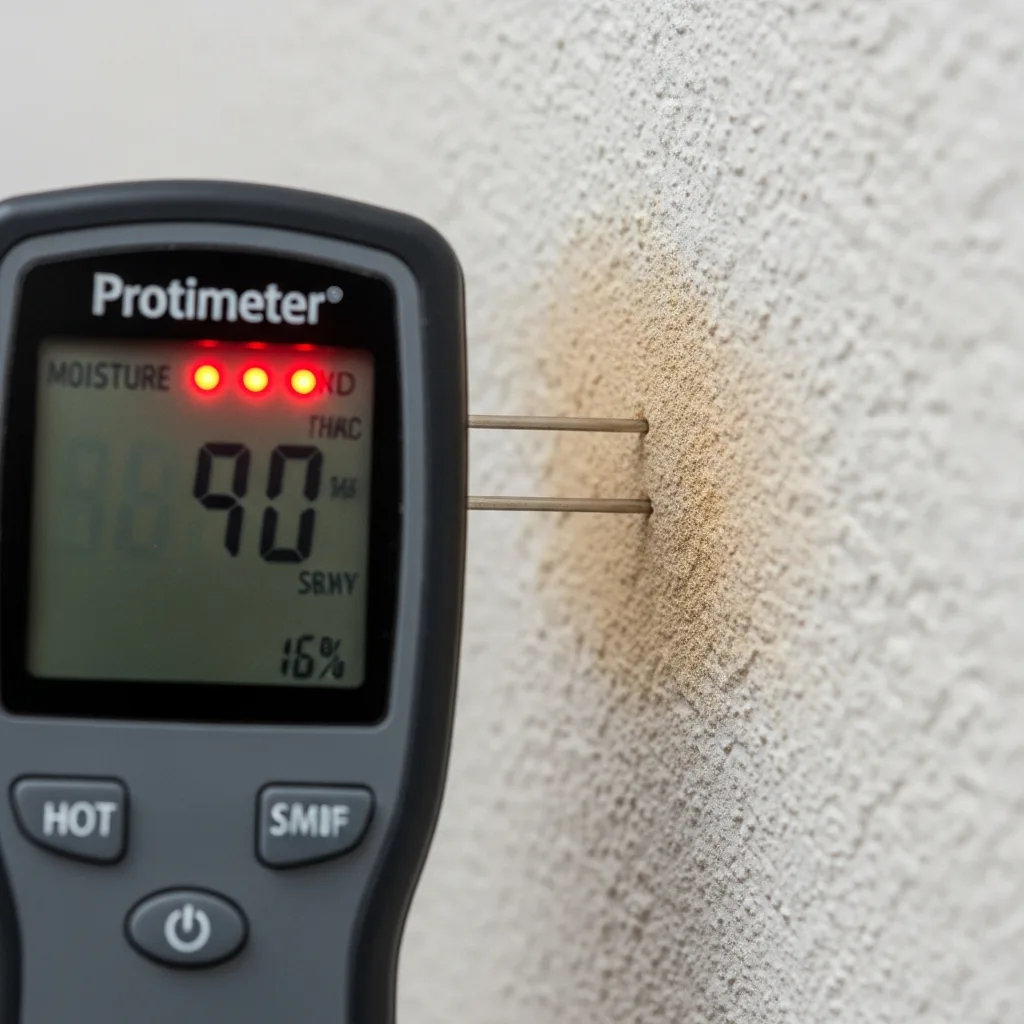
Proper diagnosis involves more than a visual inspection. We use calibrated electronic moisture meters to measure moisture levels at different heights and in different materials, thermal imaging to identify cold spots and patterns of moisture, and salt analysis to distinguish between genuine rising damp and condensation or historic damp that has already dried out.
How to Treat Damp in an Older Property
Treating damp in an older property means identifying and eliminating the moisture source first, then repairing the damage — not the other way around.
Rising Damp: DPC Injection and Replastering
The established treatment for rising damp is chemical DPC injection — drilling into the mortar course at the base of the wall and injecting a silicone-based cream that forms a water-repellent barrier. This must be followed by removing all the salt-contaminated plaster and replacing it with a specialist salt-retardant render. Skipping the replastering step is the most common cause of apparent treatment failure.
Penetrating Damp: Fix the External Defect
Penetrating damp requires identifying and repairing the specific defect allowing water in — repointing, replacing flashings, clearing gutters, repairing render, or applying a breathable waterproof coating to porous brickwork. There is no point treating the internal symptoms if the external defect is still allowing water through.
Condensation: Improve Ventilation and Heating
Condensation is treated by reducing moisture production (adequate extractor fans in kitchens and bathrooms), improving air circulation (Positive Input Ventilation units), and raising surface temperatures (insulation, consistent heating). Black mould must be treated with a specialist biocidal wash before the underlying cause is resolved — otherwise it returns.
Timber Decay: Treat and Replace
Affected timbers must be assessed for structural integrity. Wet rot in skirting boards and window frames can often be repaired using consolidants and fillers. More widespread joist decay may require partial or full replacement. Dry rot demands a much more aggressive response — all affected timber and masonry within a defined zone must be treated, and the moisture source eliminated completely to prevent recurrence.
Use Breathable Materials Throughout
In older properties, always use breathable materials when making good — lime render, lime plaster, and breathable paint. Applying cement over lime or gypsum plaster over a salt-retardant render traps moisture and reverses the benefit of the treatment. This is especially important in listed buildings where the fabric of the building must be allowed to breathe.
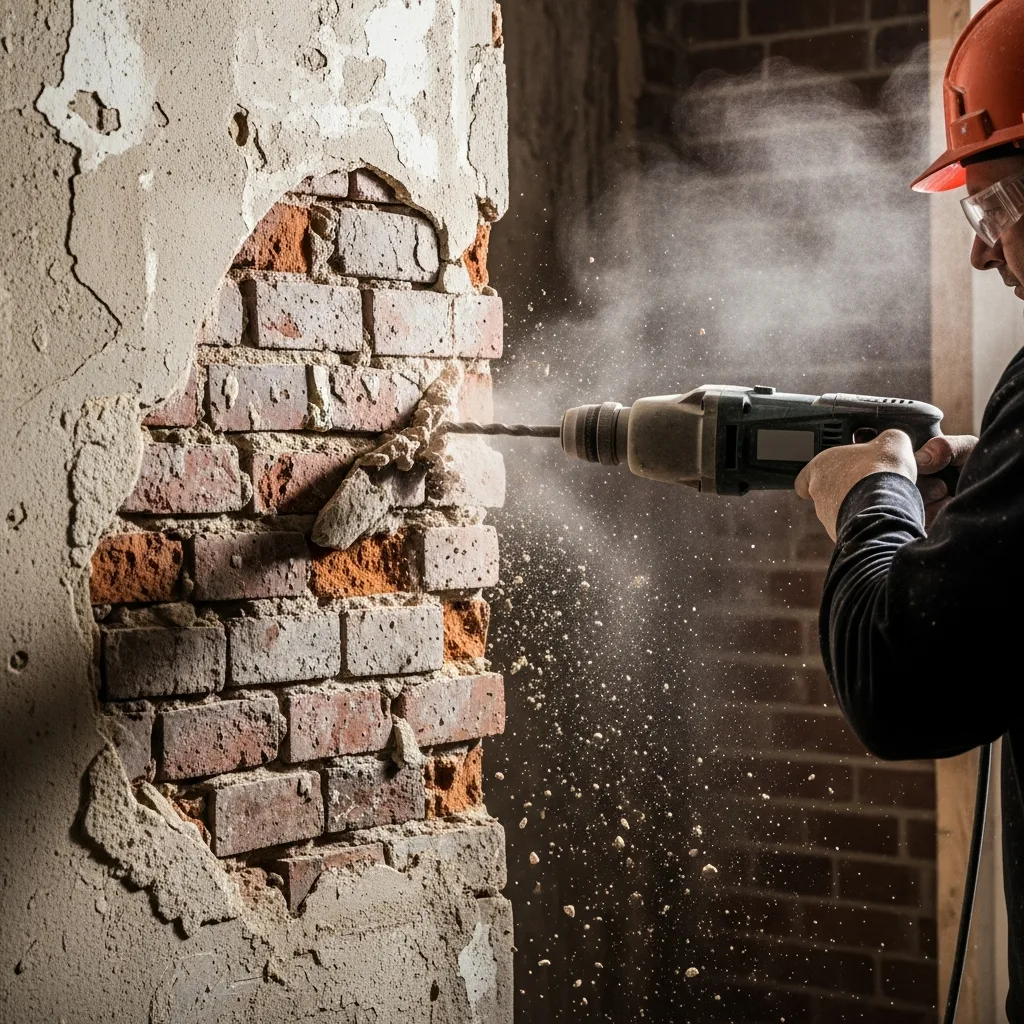
Long-Term Prevention for Older Properties
Once damp has been treated, the following maintenance steps will significantly reduce the risk of it returning:
Keep ground levels low
Maintain soil, paths, and patios at least 150mm below the DPC line. Raised ground is the single most common cause of DPC bridging and apparent rising damp.
Clear air bricks regularly
Blocked sub-floor ventilation is a leading cause of timber decay in older properties. Check and clear all air bricks at least once a year.
Maintain gutters and downpipes
An overflowing gutter deposits hundreds of litres of water against your walls every year. Clear them at least annually and repair any leaking joints immediately.
Keep pointing in good order
Failed mortar joints allow water directly into solid walls. Repoint with a lime mortar that matches the original — never with hard cement, which can cause spalling in older brickwork.
Use breathable paints and plasters
When decorating or renovating, use products formulated for older properties. Vinyl masonry paint and modern gypsum plasters are incompatible with older building fabric.
Ventilate consistently
Open windows, use extractor fans, and consider a whole-house PIV unit if condensation is an ongoing issue. Older properties need to breathe — sealing them too tightly causes more problems than it solves.
Frequently Asked Questions
Q. Why are older properties more prone to damp?
Older UK properties — typically those built before 1940 — were constructed without cavity walls, modern vapour barriers, or reliable damp proof courses. Many relied on porous materials like soft brick and lime mortar that were designed to absorb and release moisture gradually. When these materials are patched with impermeable modern cement or vinyl paint, moisture becomes trapped inside the wall and causes serious problems. Add to this the fact that original DPCs have deteriorated over time, and older properties face damp problems at a far higher rate than modern builds.
Q. How can I tell if my older property has rising damp?
Rising damp has a distinctive pattern: a horizontal tide mark on internal walls up to about one metre high, white powdery salt deposits on the plaster or brickwork, peeling or blistering paint at low level, rotting skirting boards, and a musty smell. It is almost always limited to ground-floor rooms. If the damp appears higher up the wall, around windows, or on upper floors, it is much more likely to be penetrating damp or condensation.
Q. What is the most common type of damp in older houses?
Rising damp and penetrating damp are both very common in older properties, but condensation is actually the most widespread cause of visible damp problems in all UK housing. In older properties specifically, rising damp from a failed or absent damp proof course is a leading cause of structural damage, while penetrating damp through failed pointing, cracked render, or blocked gutters causes water ingress through external walls.
Q. Can I treat damp in an older property myself?
Superficial mould and condensation can sometimes be managed with improved ventilation and anti-mould paint, but structural damp problems — rising damp, penetrating damp, and timber decay — require professional treatment. DIY rising damp kits, in particular, almost always fail because they use low-concentration injection creams and, critically, leave the salt-contaminated plaster in place. This means the damp appears to return even if the injection is successful.
Q. How long does damp treatment take in an older property?
A rising damp treatment for a single room typically takes two to three days — one day to remove plaster and inject the DPC, a day for the render to set, then a skim coat to finish. Penetrating damp repairs depend on the source: repointing or replacing flashings may take a day, while a full external re-render will take longer. We always inspect first and give you a realistic timescale before any work starts.
Q. Does damp treatment work for listed buildings and heritage properties?
Yes, though the approach requires care. Listed buildings often need breathable lime-based renders and mortars rather than cement, and any chemical injection must be appropriate for the wall construction. We have extensive experience treating heritage properties across Suffolk and Norfolk, where there is a high concentration of listed medieval and Georgian buildings, and we always take a sympathetic, reversible approach wherever possible.
Concerned About Damp in Your Older Property?
KDS Property Preservation provides free, no-obligation damp and timber inspections across Ipswich, Bury St Edmunds, and throughout Suffolk, Norfolk, and Essex. We identify the exact cause and give you an honest assessment — no pressure, no unnecessary work recommended.