Damp & Timber Case Studies
Real projects. Real results. See how we've helped property owners across East Anglia protect and preserve their homes.
Rising Damp Treatment — Ipswich
Traditional brick-built residential home
The Problem
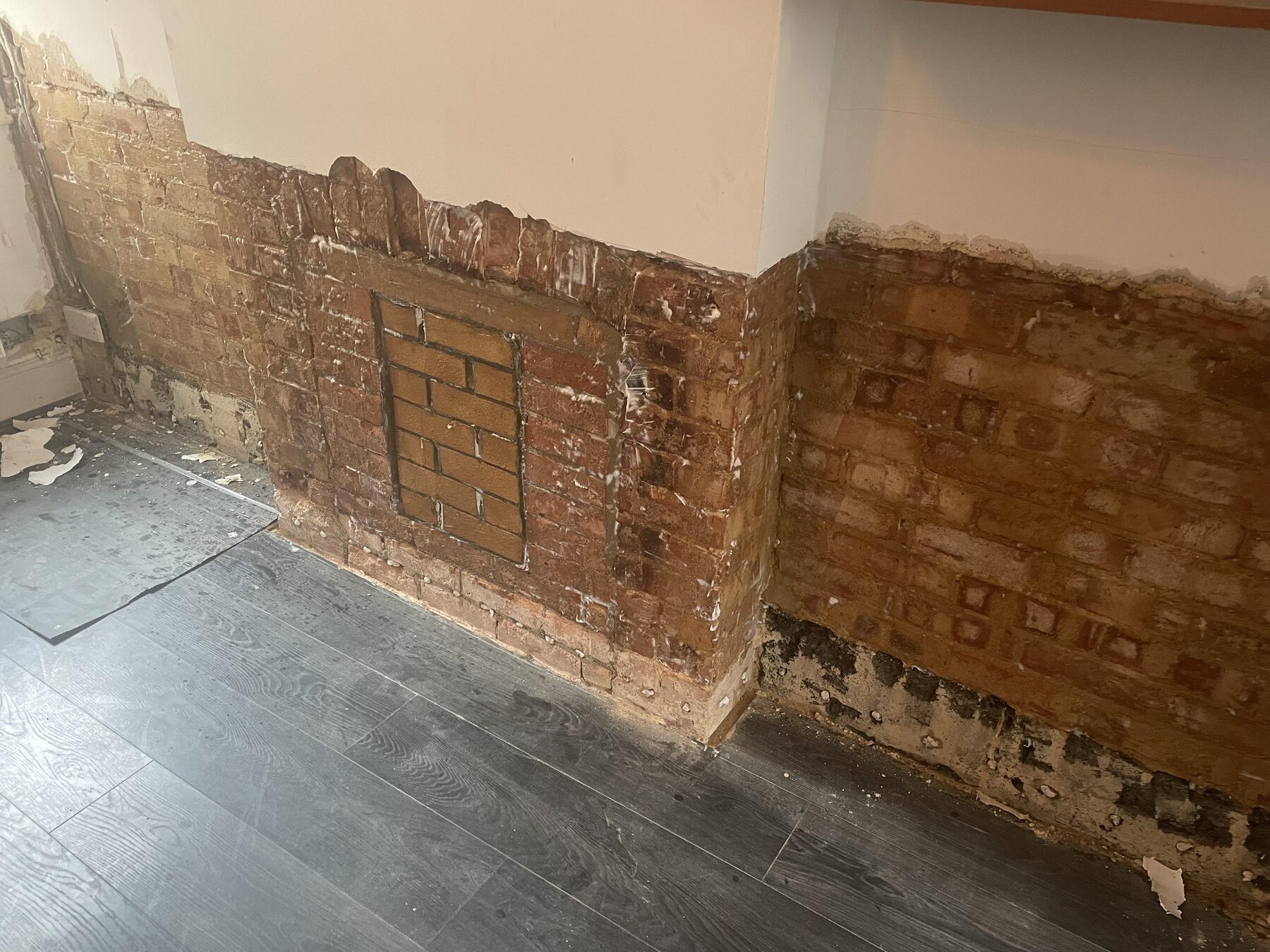
The homeowner contacted us after noticing visible damp patches spreading across the lower sections of several internal walls.
The plaster had started bubbling and, in places, was completely blown and falling away from the masonry. Skirting boards were deteriorating and there was a clear tide mark consistent with active rising damp.
Moisture readings confirmed elevated levels within the wall structure, and salt contamination was present within the existing plaster. The original damp proof course had failed, allowing ground moisture to track upward through the masonry.
Left untreated, this would have continued to degrade the internal finishes and potentially affected timber elements.
The Solution
- •Removed all contaminated plaster back to sound masonry
- •Extracted hygroscopic salts from the affected wall areas
- •Installed a new chemical Damp Proof Course (DPC)
- •Applied a salt-retardant render system
- •Installed insulated plasterboard to improve thermal performance
- •Applied a fresh plaster skim finish
- •Reinstalled new skirting boards
The Result
- Dry, structurally protected walls
- Improved thermal efficiency
- A clean, redecorated finish
- Long-term protection against rising damp
If you're experiencing similar issues in Ipswich or surrounding areas, early intervention prevents larger structural and decorative repair costs later.
Rising Damp & Condensation Control — Woodbridge
Period residential home
The Problem
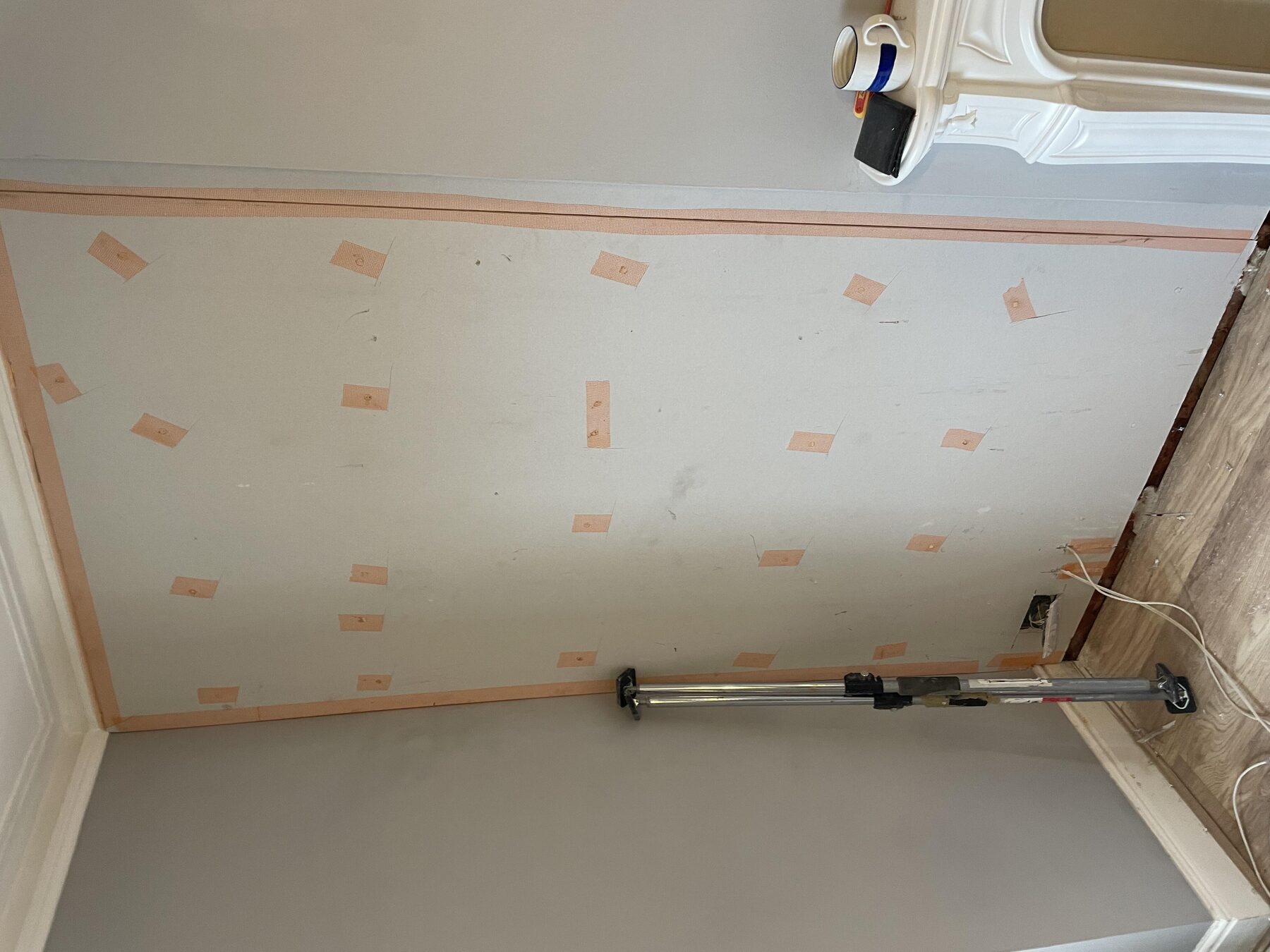
The homeowner in Woodbridge contacted us after ongoing issues with damp walls and recurring mould growth. The lower sections of several external walls showed classic signs of rising damp — bubbling plaster, blown render, and areas where plaster was actively falling away.
In addition, the walls were extremely cold to the touch, creating a condensation point inside the property. This temperature difference was attracting internal moisture, leading to black mould forming across affected surfaces.
Moisture testing confirmed elevated readings within the masonry, along with salt contamination. The original damp proof course had failed, allowing ground moisture to rise through the structure. The cold wall surfaces were compounding the issue by increasing condensation risk.
This wasn't just cosmetic — left untreated, it would continue damaging finishes and impacting indoor air quality.
The Solution
- •Removed all contaminated plaster to full ceiling height
- •Extracted hygroscopic salts from the masonry
- •Installed a new chemical Damp Proof Course (DPC)
- •Applied a specialist salt-retardant render system
- •Installed insulated plasterboard to improve wall surface temperature
- •Applied a fresh plaster skim finish
- •Reinstalled new skirting boards
- •Renewed decorative coving to restore the room finish
The Result
- A fully functioning Damp Proof Course
- Dry, protected internal wall structure
- Warmer wall surfaces reducing condensation risk
- Complete mould elimination
- A clean, redecorated interior finish
If you're experiencing rising damp or cold wall condensation in Woodbridge or surrounding Suffolk areas, addressing both moisture source and thermal performance is essential for a permanent solution.
Basement Waterproofing & Conversion — Bury St Edmunds
Traditional residential property
The Problem
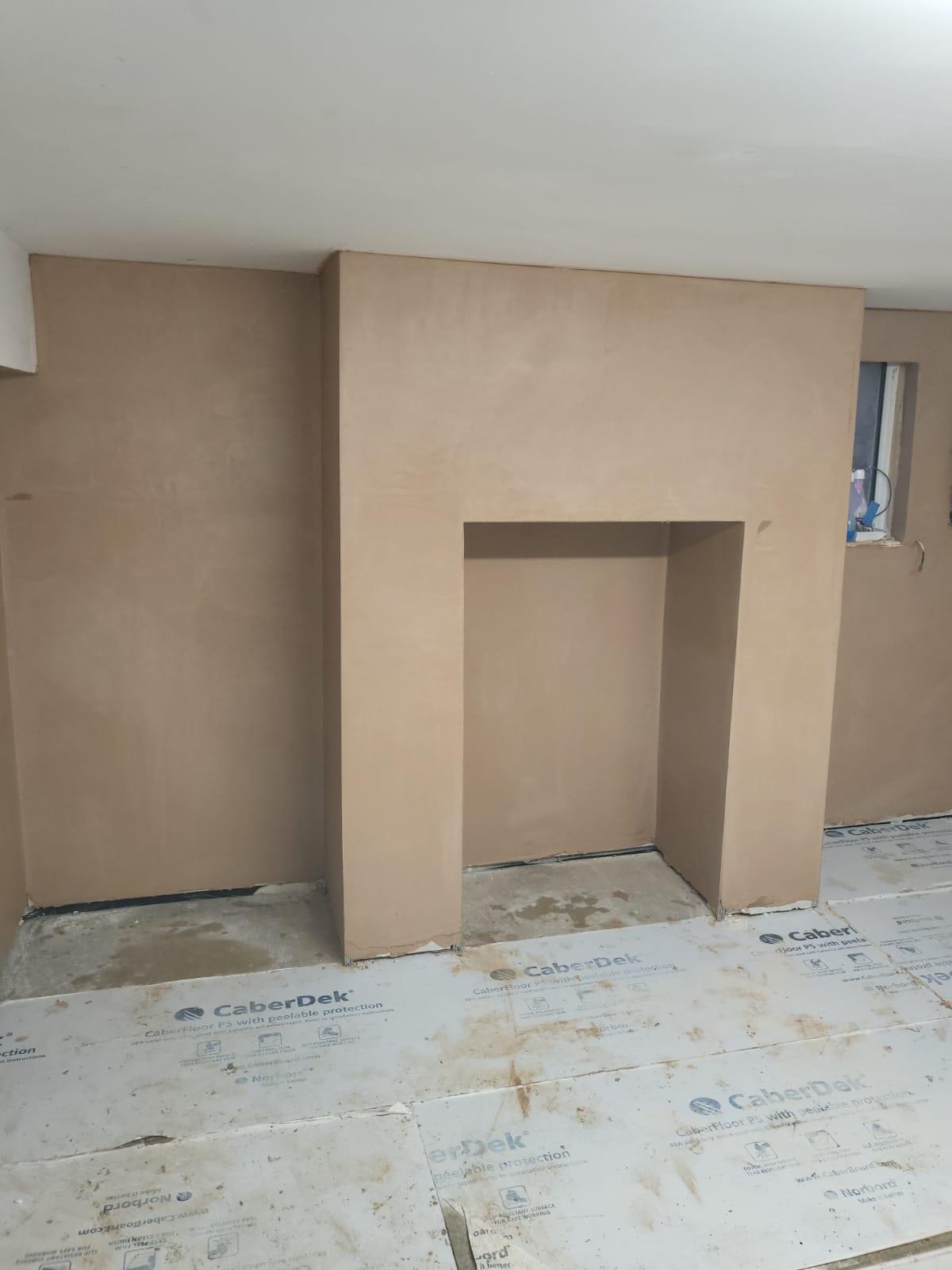
The homeowner contacted us regarding a basement area that was consistently damp and unusable. The exposed brick walls showed clear signs of moisture penetration, with elevated readings throughout the structure.
The space felt cold, musty, and unsuitable for storage — let alone living accommodation. Without proper waterproofing, any attempt to decorate or floor the area would have quickly failed.
The client's objective was clear: transform the basement into a dry, habitable room.
The Solution
- •Removal of existing salt contamination from the brickwork
- •Installation of a cavity drain tanking membrane system to the walls
- •Installation of insulated wall boards to improve thermal performance
- •Fitting of a waterproof floor membrane
- •Installation of a new engineered wood floor finish
- •Full plaster skim to create a clean decorative surface
- •Installation of new skirting boards
The Result
- Fully waterproofed basement
- Warm and insulated living space
- Finished to a high decorative standard
- Suitable for everyday living use
If you have a damp basement in Bury St Edmunds or across Suffolk, converting it properly requires more than surface treatments — it needs a structured waterproofing system installed correctly from the start.
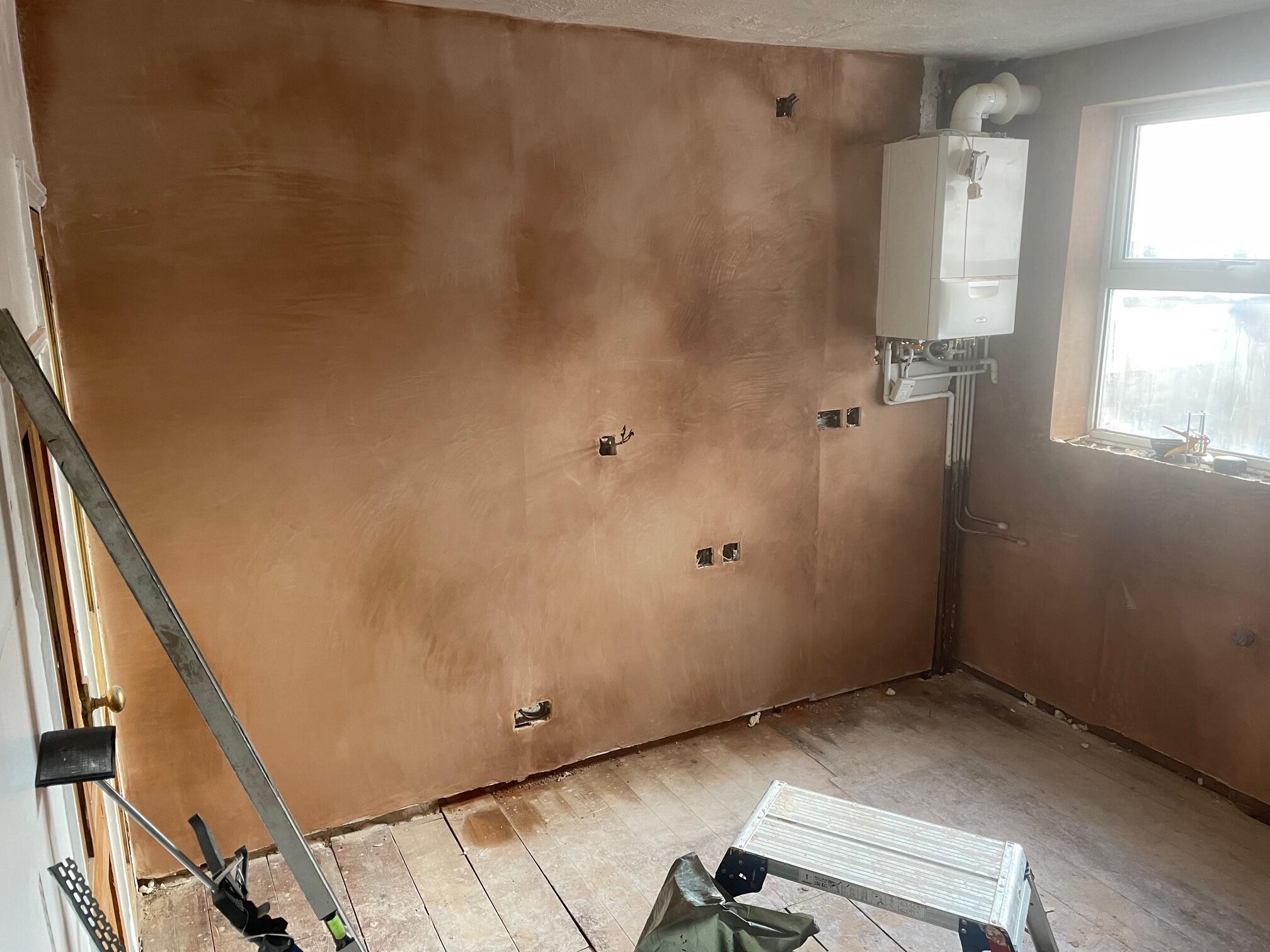
Ground Floor Damp & Cold Wall Refurbishment — Ipswich
Residential property
The Problem
The homeowner in Ipswich reported that the entire ground floor felt persistently cold, with visible damp patches forming on several internal walls. Moisture readings confirmed elevated damp levels within the brickwork, and the walls were noticeably cold to the touch.
Over time, the plaster had deteriorated due to moisture and salt contamination. The cold wall surfaces were also increasing the likelihood of condensation forming internally, making the rooms uncomfortable and inefficient to heat.
This wasn't isolated to one wall — the issue affected the whole ground floor.
The Solution
- •Removal of all contaminated plaster to full ceiling height throughout the ground floor
- •Extraction of hygroscopic salts from affected masonry
- •Installation of insulated plasterboard systems to external walls
- •Full plaster skim finish
- •Installation of new skirting boards
The Result
- Dry internal wall surfaces
- Significantly warmer wall temperatures
- Reduced condensation risk
- Improved energy efficiency
- A fully refurbished ground floor finish
If your ground floor feels damp or consistently cold in Ipswich or surrounding areas, surface repairs alone won't solve it — the wall structure needs addressing properly from the inside out.
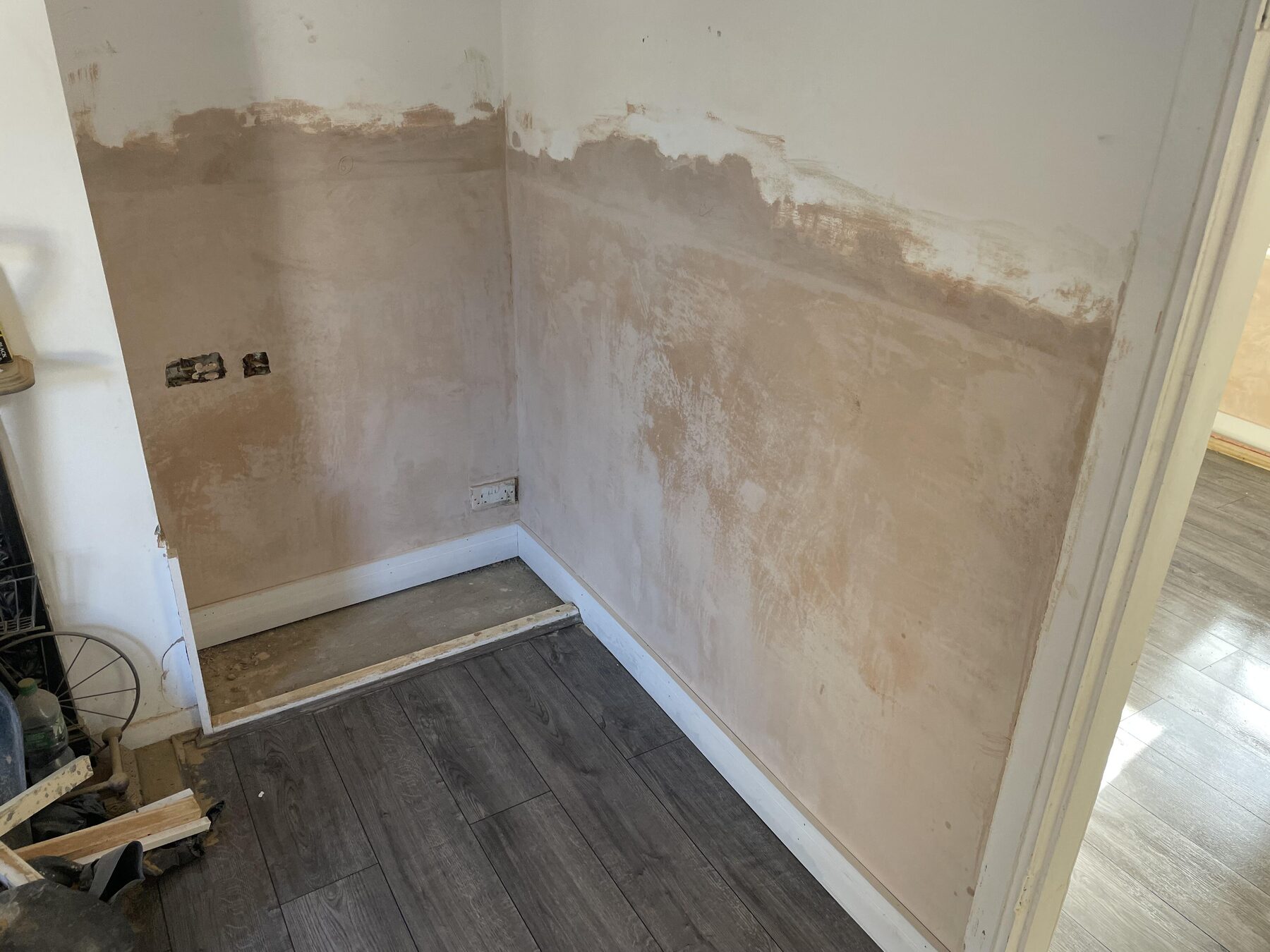
Rising Damp Treatment — Colchester
Residential property
The Problem
The homeowner in Colchester contacted us after noticing worsening damp patches along the lower sections of several internal walls. Plaster was bubbling, cracking, and in places had completely blown and fallen away from the masonry. Black mould had also started forming on the colder wall surfaces.
Moisture testing confirmed active rising damp, with salt contamination present within the plaster. The cold external walls were further attracting condensation internally, increasing surface moisture and encouraging mould growth.
This was not just cosmetic damage — untreated rising damp continues to degrade finishes and can lead to long-term structural concerns.
The Solution
- •Removal of all contaminated plaster back to sound masonry
- •Extraction of hygroscopic salts from the brickwork
- •Installation of a new chemical Damp Proof Course (DPC)
- •Application of a specialist salt-retardant render system
- •Full plaster skim finish
- •Installation of new skirting boards
The Result
- A fully functioning damp proof course
- Dry, protected internal walls
- Elimination of mould caused by damp surfaces
- A clean, redecorated interior finish
If you are experiencing rising damp or mould issues in Colchester or surrounding areas, early intervention prevents further internal damage and escalating repair costs.
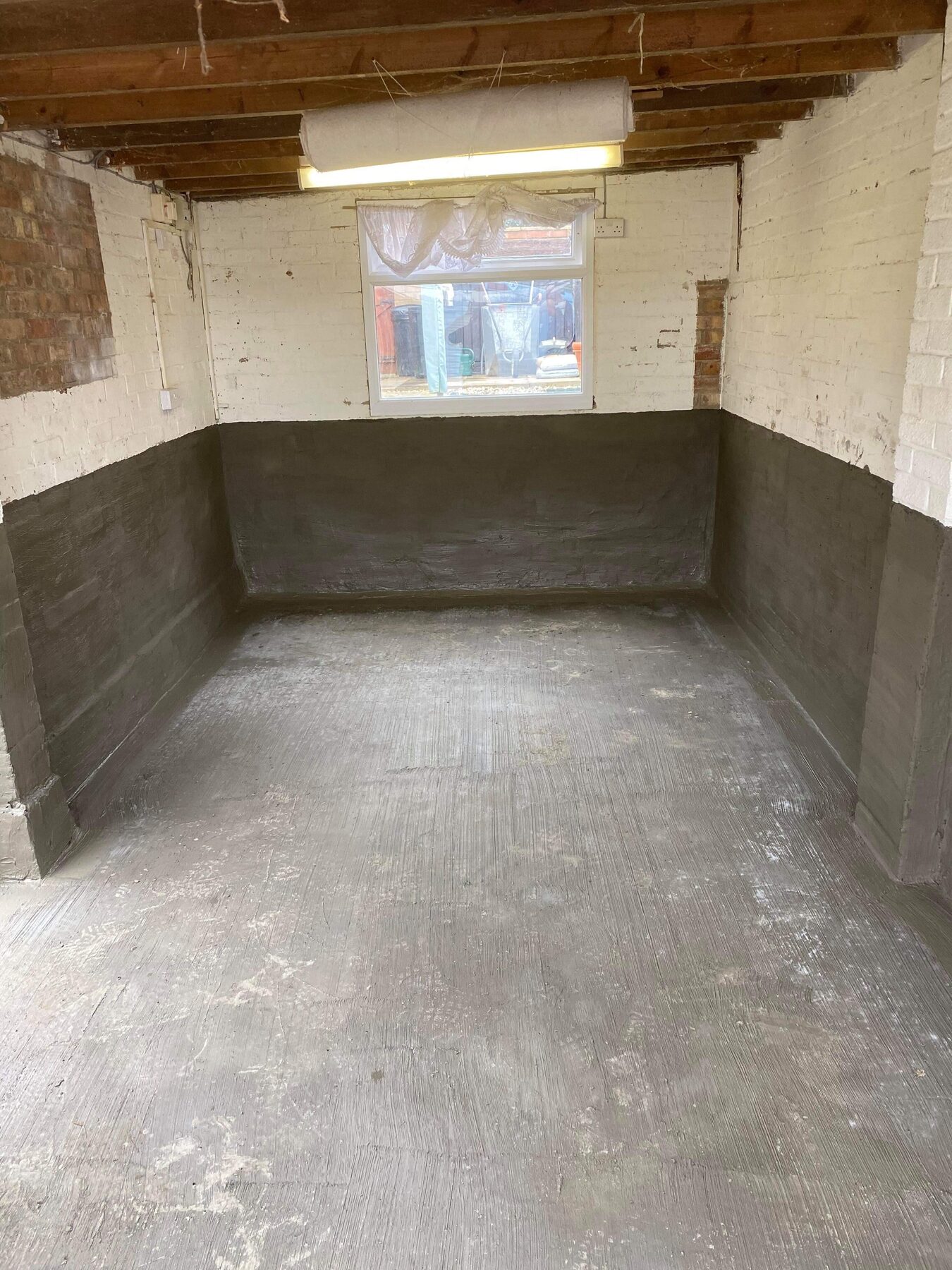
Rising & Penetrating Damp Treatment — Clacton-on-Sea
Residential property
The Problem
The homeowner in Clacton-on-Sea contacted us after ongoing damp issues affecting both the walls and ground floor. There were visible signs of rising damp at low level, alongside penetrating moisture entering through sections of damaged external brickwork.
Internally, plaster was damp and deteriorating, mould was beginning to form, and sections of brickwork showed signs of moisture-related damage. The solid floor was also affected, contributing to a cold and persistently damp environment.
Moisture readings confirmed multiple moisture sources — rising damp from ground level and penetrating damp through compromised masonry. Left untreated, this combination would continue to degrade the building fabric.
The Solution
- •Removal and replacement of damaged external bricks
- •Extraction of hygroscopic salts from affected masonry
- •Installation of a new chemical Damp Proof Course (DPC)
- •Application of tanking slurry to internal walls
- •Application of tanking slurry to the floor to create a continuous waterproof barrier
The Result
- Repaired and structurally sound brickwork
- Controlled rising damp
- Protected walls and floors through a full tanking system
- Elimination of active mould growth
- A dry, stable internal environment
If you're dealing with rising or penetrating damp in Clacton-on-Sea or across Essex, the solution requires more than surface treatment — it requires proper structural repair and waterproofing.
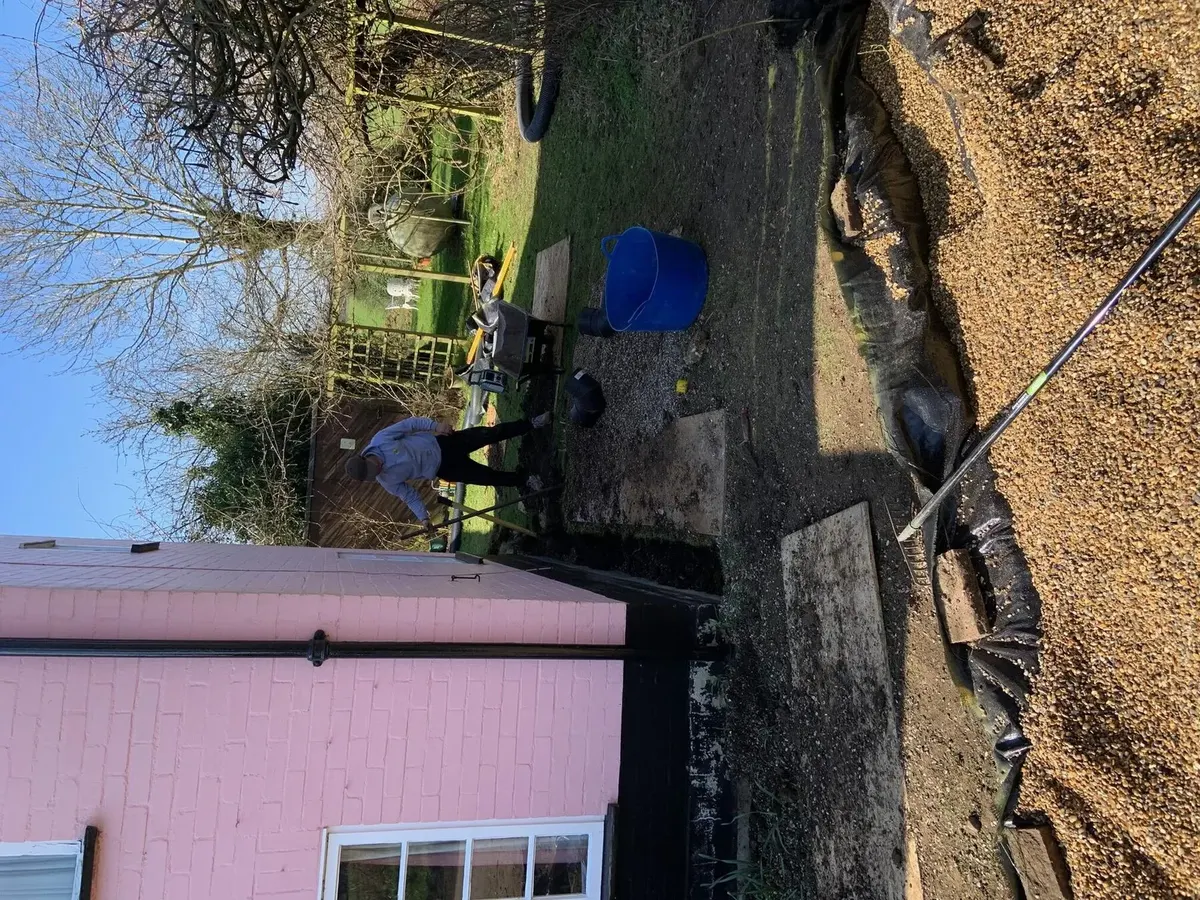
Flood Mitigation & Land Drainage Installation — Somersham
Residential property
The Problem
The homeowner in Somersham was experiencing repeated flooding during periods of heavy rainfall. Surface water was collecting on the road in front of the property and flowing into the front garden. At the same time, runoff from surrounding agricultural fields was travelling downhill and saturating the rear garden.
This created prolonged ground saturation around the property perimeter. Over time, water began penetrating through sections of the external walls, increasing internal moisture levels and putting the building fabric at risk.
Without intervention, this pattern would continue every winter, increasing the likelihood of internal damp issues and structural deterioration.
The Solution
- •Excavation around the affected perimeter areas
- •Installation of a perforated land drainage system (French drain configuration)
- •Installation of suitable drainage stone to promote rapid water dispersal
- •Correct grading to direct water away from the structure
- •Reinstatement of ground levels
The Result
- Controlled surface water flow
- Reduced ground saturation around the foundations
- Protection against wall penetration during heavy rainfall
- Long-term flood risk mitigation
If your property in Somersham or across Suffolk suffers from garden flooding or external water pressure against walls, effective land drainage is the first line of defence.