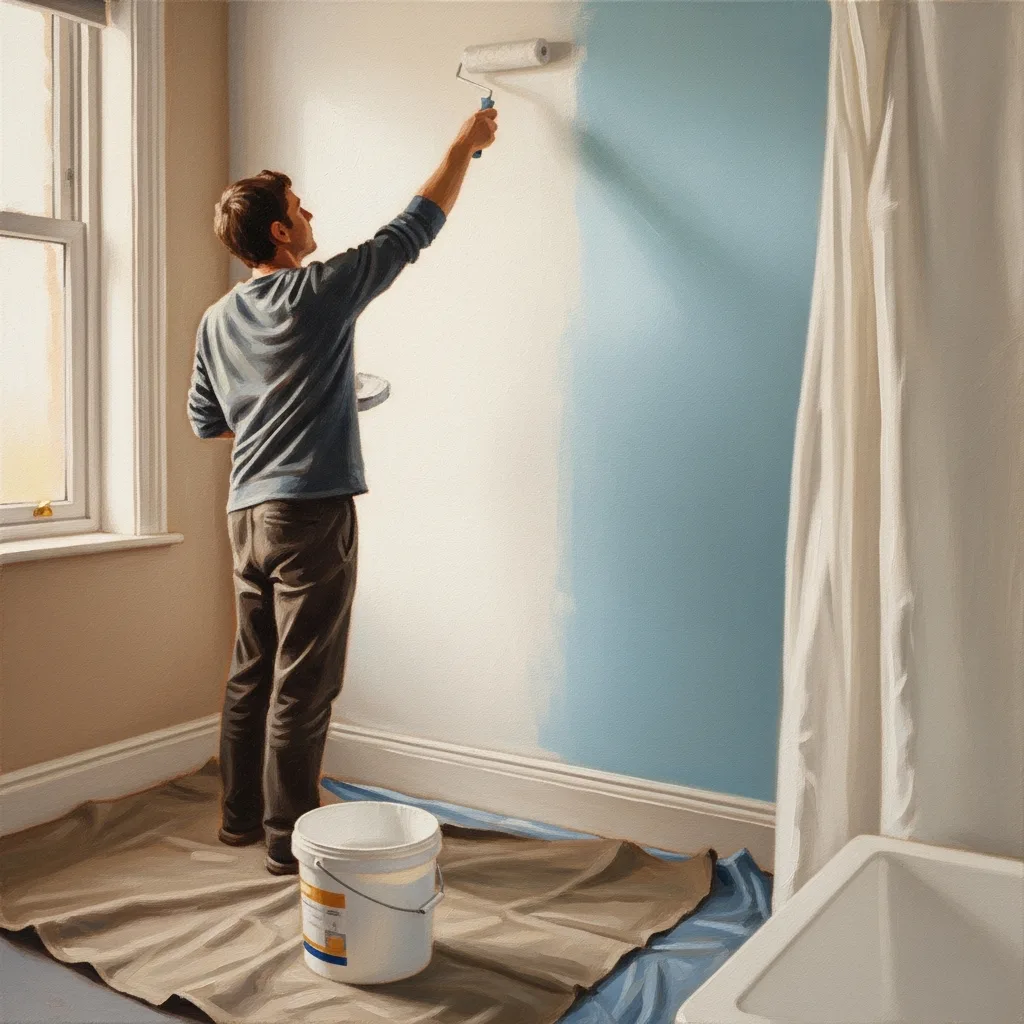
Condensation forms when warm, moist air hits a cold surface. By increasing the surface temperature of your walls, you can prevent this "dew point" from being reached.
Anti-condensation paints contain microscopic glass beads or ceramic spheres. These beads create a thermal barrier that reflects heat back into the room and keeps the wall surface warmer to the touch. The paint also contains active biocides to prevent mould growth on the paint film.
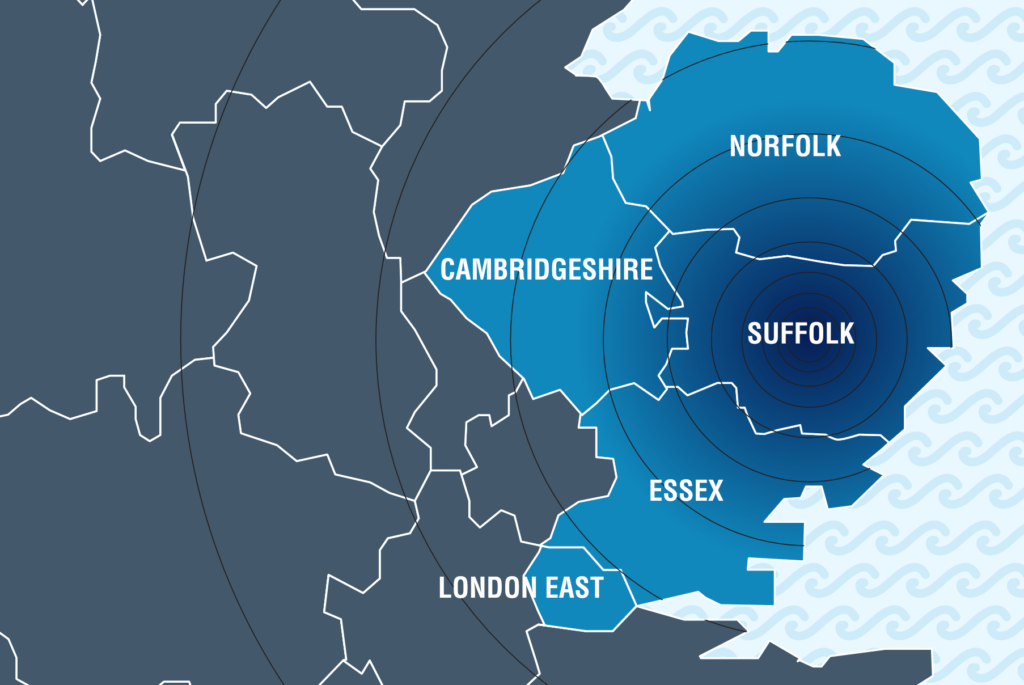
This type of coating is particularly effective on solid brick walls, concrete lintels, and window reveals — all areas where cold bridging is common in older properties across Suffolk, Norfolk, and Essex. Many Victorian and Edwardian homes have solid walls with no cavity insulation, making them prone to condensation during the colder months.
Unlike standard emulsion paint, anti-condensation coatings are specifically formulated to raise the surface temperature of the wall by several degrees. This seemingly small change is often enough to keep the wall above the dew point temperature, preventing moisture from forming on the surface. The result is a dry wall that stays free of condensation and the black mould that follows it.