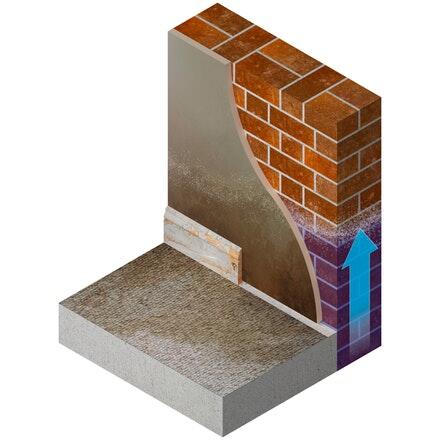
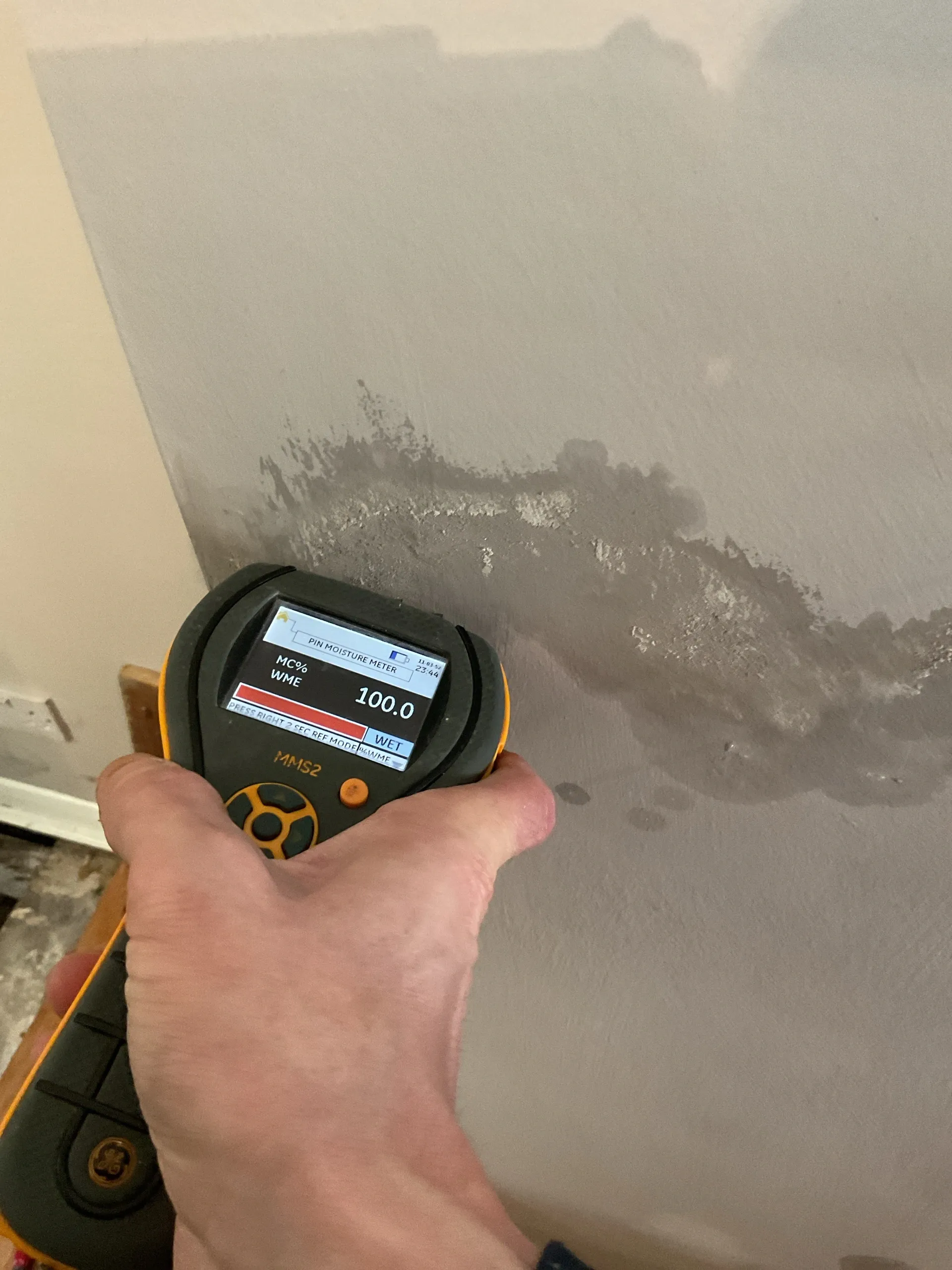
Rising damp is one of the most common — and most misunderstood — structural damp problems affecting UK homes. It occurs when groundwater is drawn upwards through the porous fabric of a building's walls by capillary action. Much like a sponge soaking up a spill, the microscopic pores within bricks, stone, and mortar joints pull moisture from the earth beneath, allowing it to travel upwards through the masonry.
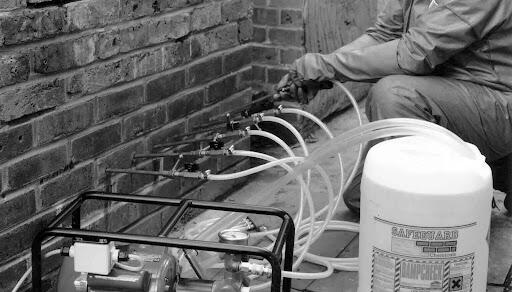
In a healthy building, a damp proof course (DPC) prevents this from happening. Modern properties typically have a physical DPC — a strip of plastic, bitumen felt, or engineering bricks built into the wall at low level — which acts as a waterproof barrier. However, in thousands of older UK homes, particularly Victorian terraces, Edwardian semis, Georgian townhouses, period cottages, and pre-war bungalows, the original DPC may be absent, inadequate, or may have deteriorated over decades of exposure.
When the DPC fails or is missing entirely, there is nothing to stop ground moisture from travelling upwards through the wall. The water carries dissolved mineral salts from the soil and the masonry itself (chlorides and nitrates), which are deposited on the wall surface as the moisture evaporates. These salts are hygroscopic — meaning they actively attract further moisture from the air — creating a self-perpetuating cycle of dampness that will not resolve on its own.
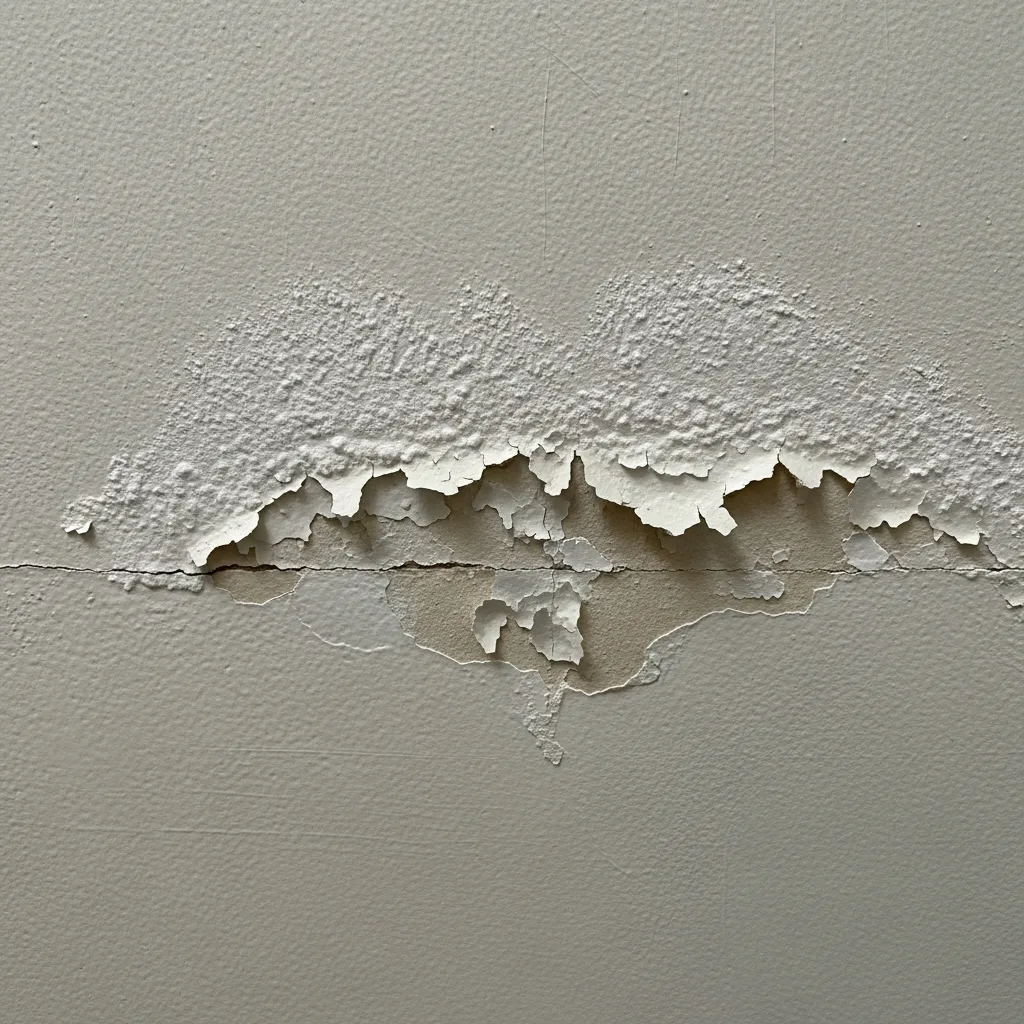
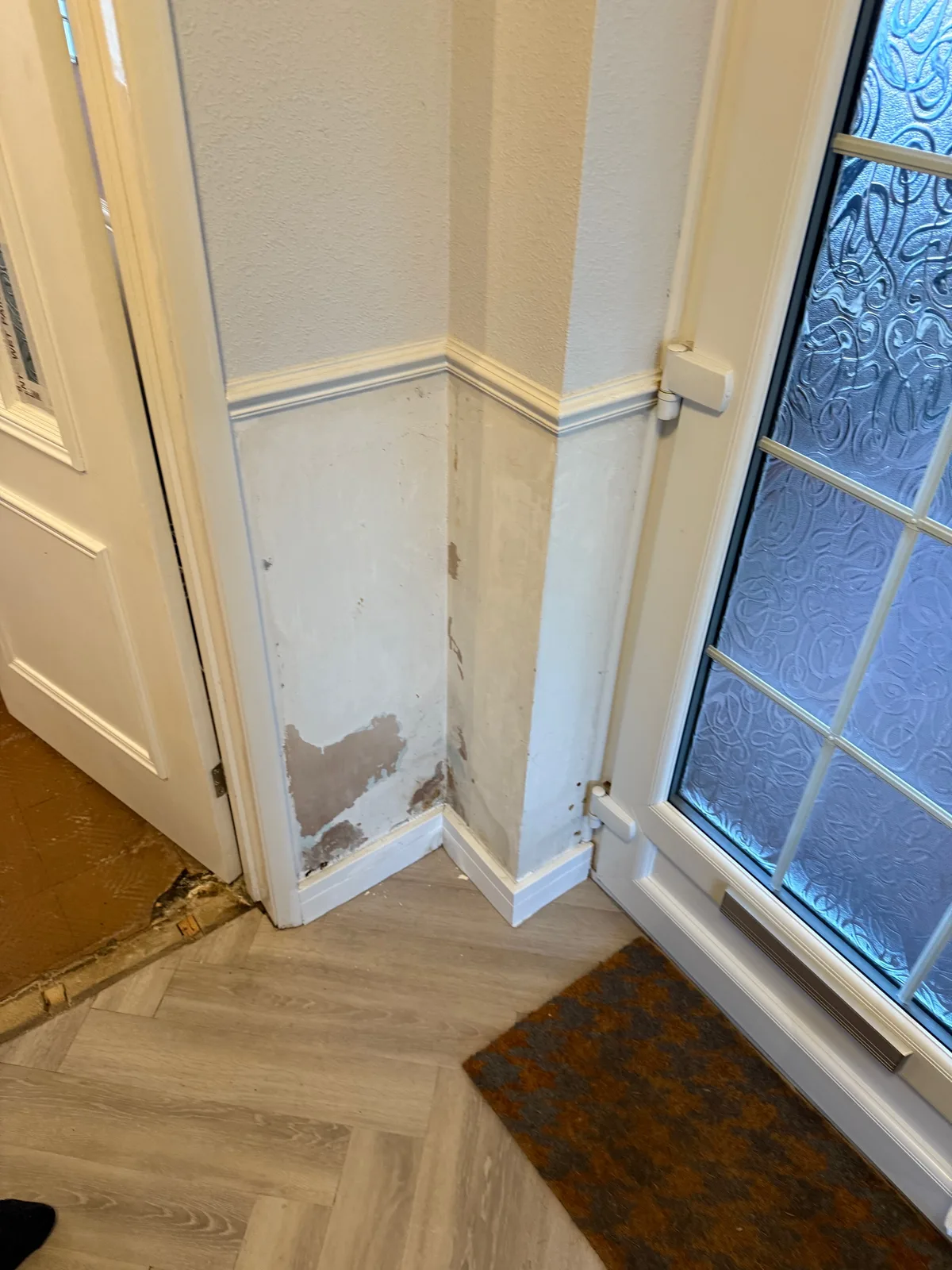
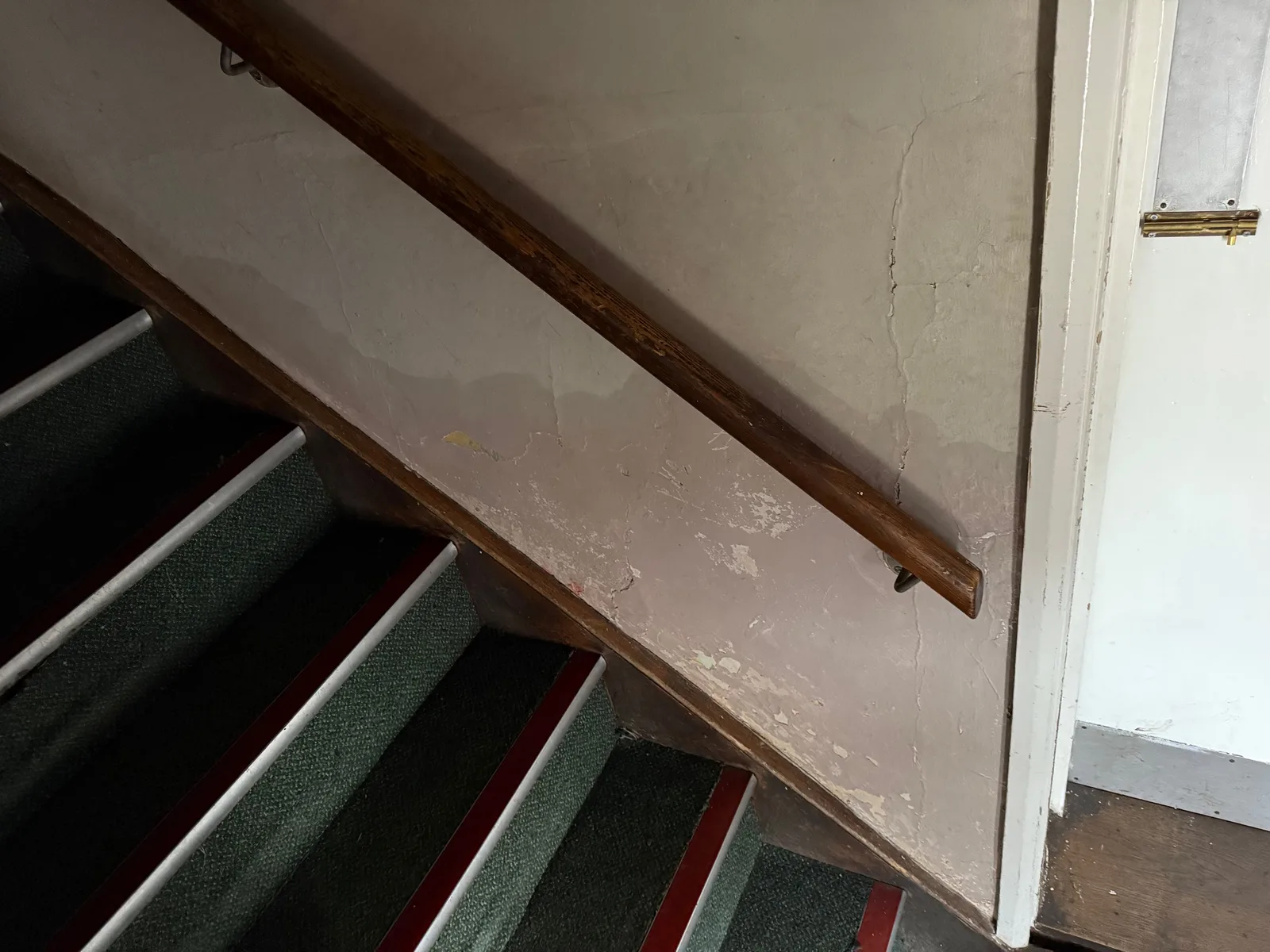
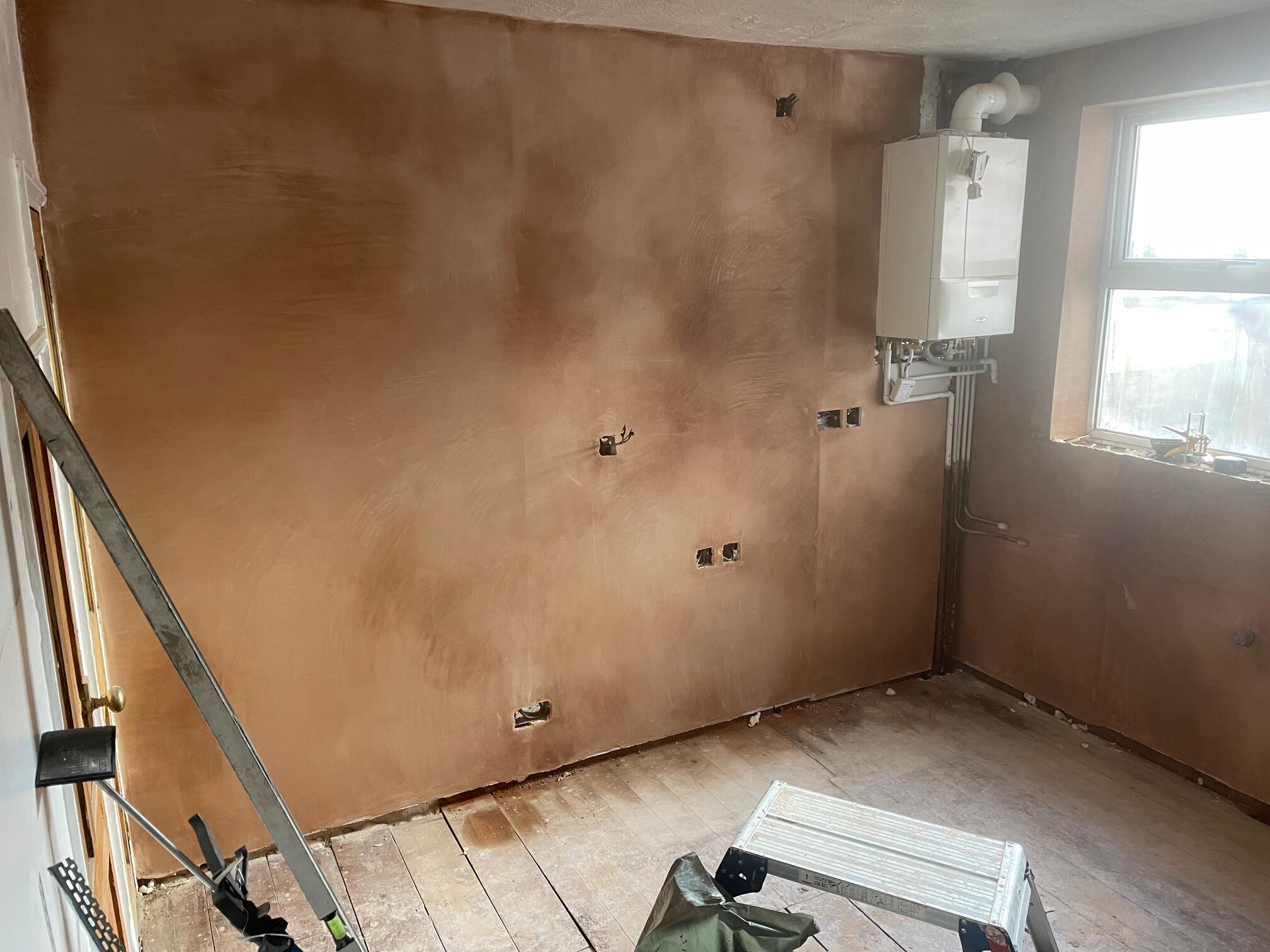
Left untreated, rising damp causes progressive damage to internal plaster, decoration, skirting boards, embedded timbers, and floor joists. It creates the ideal conditions for black mould growth, can significantly reduce the thermal efficiency of your walls, and will steadily erode the value and habitability of your property.