Household mould is not just unsightly — it is a genuine health threat that can cause serious, long-term harm to the people living with it. Yet it remains one of the most underestimated hazards in UK homes.
Across Ipswich and Suffolk, we encounter mould problems in properties of all ages and types — from Victorian terraces in the town centre to modern flats and social housing. Poor ventilation, inadequate heating, and the airtight improvements made to homes over the last two decades have all contributed to a significant rise in condensation-related mould across the region. Awaab's Law, introduced in 2023, has brought renewed national attention to the problem and placed legal duties on landlords — but owner-occupiers face the same health risks.
What Is Household Mould?
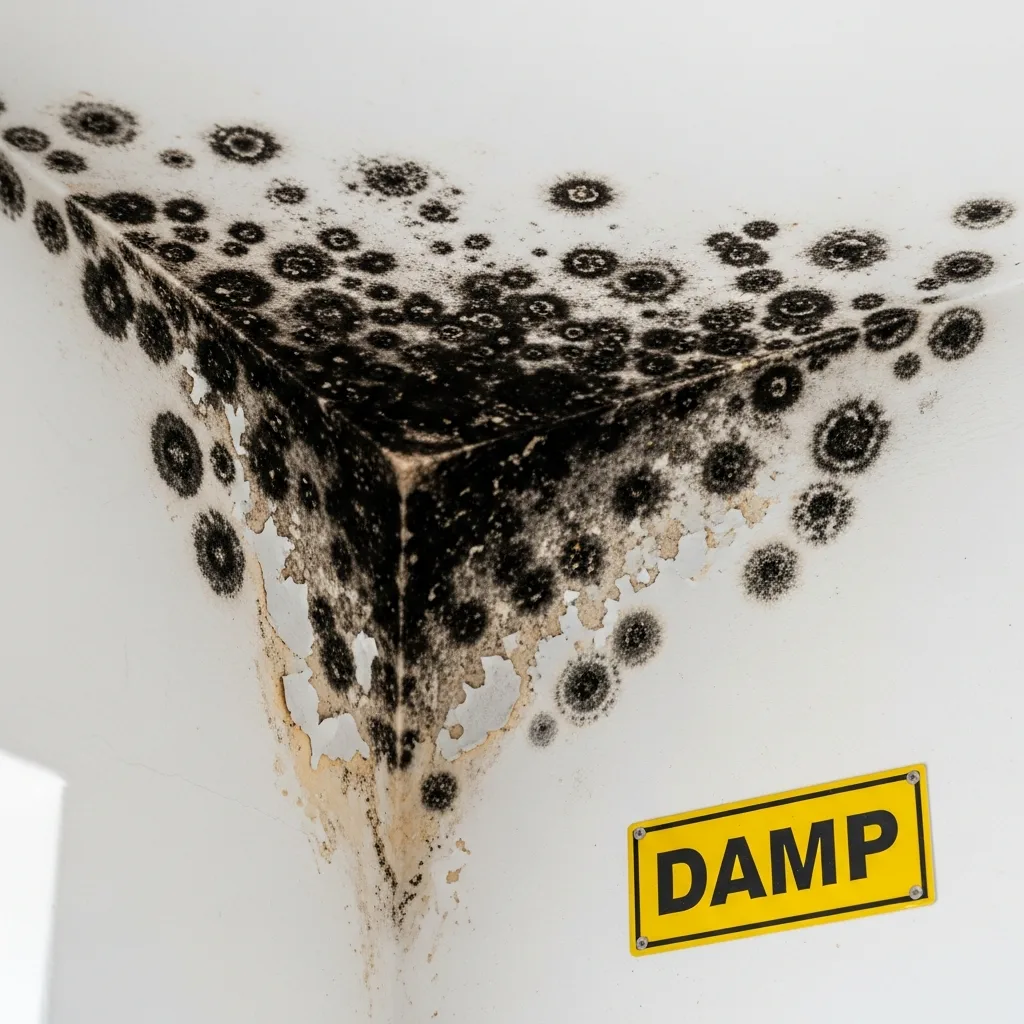
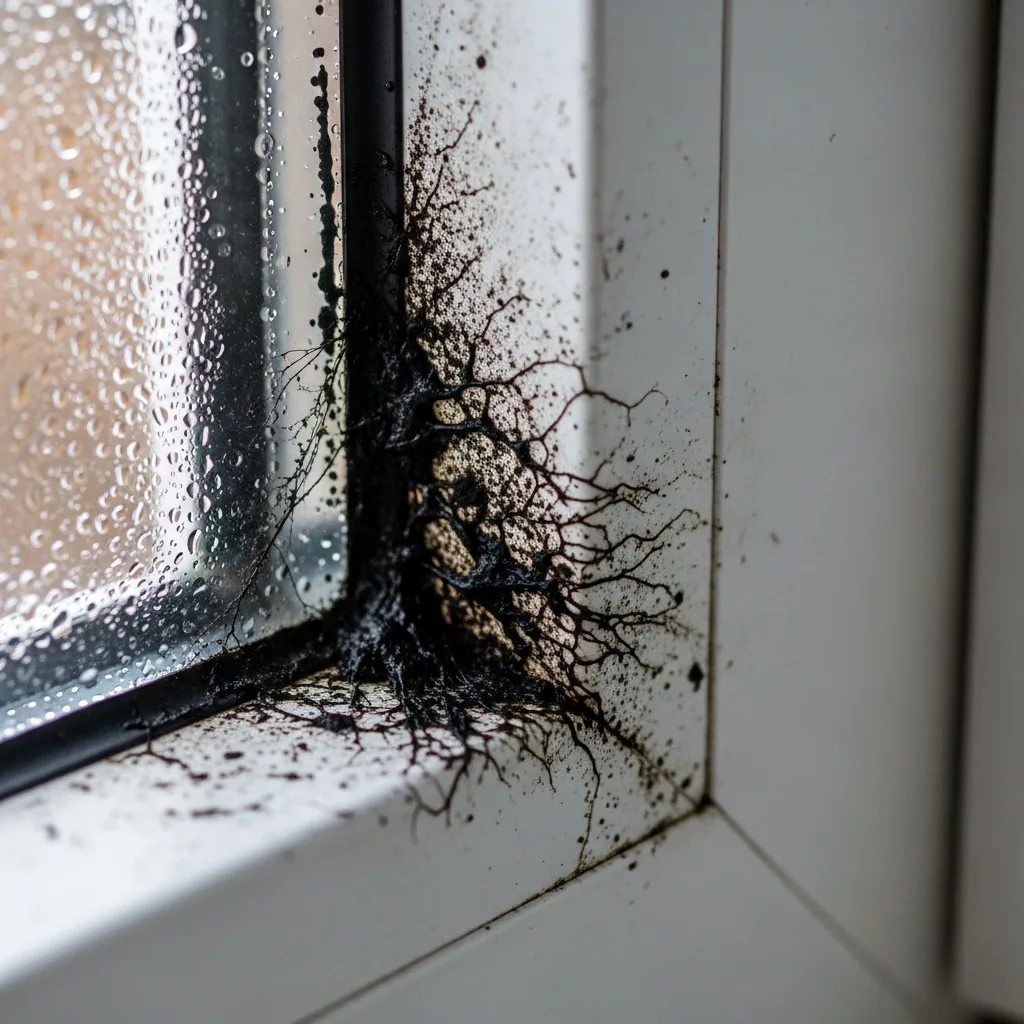
Mould is a type of fungus that grows wherever there is sufficient moisture, warmth, and organic material to feed on. In homes, it most commonly appears as dark patches — often black, green, or grey — on walls, ceilings, window frames, around bathroom sealant, and behind furniture placed against cold external walls.
What you see on the surface is only part of the picture. Mould growth visible to the naked eye means millions of microscopic spores are being released into the air of your home every hour. These spores are invisible, they travel freely through rooms, and they are breathed in by everyone in the property — including children, elderly relatives, and anyone with an existing health condition.
In the UK, mould is an extremely common problem. Cold winters, older housing stock with poor insulation, and the tendency to keep windows closed for warmth all create ideal conditions for mould to thrive. According to NHS and housing research data, an estimated one in five UK homes has a significant damp or mould problem — yet it remains widely dismissed as cosmetic rather than treated as the health hazard it genuinely is.
Awaab's Law: A National Wake-Up Call
The tragic death of two-year-old Awaab Ishak in 2020 — caused by prolonged exposure to mould in a social housing flat — led to landmark new legislation in 2023 requiring social landlords to investigate and fix damp and mould hazards within strict legal timeframes. Awaab's Law has brought the dangers of household mould to national attention and underscored that mould is never just an aesthetic issue. Read more about Awaab's Law and your rights.
The Health Risks of Mould Exposure
Mould affects health in multiple ways. The severity of the impact depends on the type and quantity of mould present, the duration of exposure, and the vulnerability of the person being exposed. The health effects range from mild irritation to life-threatening conditions.
Respiratory Problems
Mould spores are inhaled deep into the lungs where they trigger inflammation, mucus production, and narrowing of the airways. This causes persistent coughing, wheezing, breathlessness, and a tight feeling in the chest — even in people with no prior respiratory history. For those with asthma, exposure to mould can trigger attacks and make existing asthma significantly harder to control.
Allergic Reactions
Many people develop an allergic sensitivity to mould spores, causing sneezing, runny or blocked nose, itchy and watering eyes, and skin irritation. Symptoms often resemble hay fever but persist year-round — and are frequently misdiagnosed as seasonal allergies rather than traced to the home environment. Allergy to mould can also develop over time with repeated exposure.
Worsening of Existing Conditions
Mould dramatically worsens a wide range of pre-existing conditions. Asthma, COPD, eczema, rhinitis, and other respiratory or immune conditions all deteriorate in mouldy environments. People with these conditions may find their medication becomes less effective, hospital admissions increase, and their overall quality of life declines — all attributable to the mould in their home.
Mycotoxin Poisoning
Certain mould species — in particular Stachybotrys chartarum, commonly known as 'toxic black mould' — produce mycotoxins: chemical compounds that are directly toxic to human tissue. Chronic exposure to mycotoxins has been linked to neurological symptoms including memory problems, difficulty concentrating, headaches, fatigue, and mood disturbances. These effects are particularly serious and can persist long after the mould has been removed.
Hypersensitivity Pneumonitis
In some individuals, repeated exposure to mould spores causes the immune system to mount an exaggerated inflammatory response within the lungs. This condition — hypersensitivity pneumonitis — causes flu-like symptoms (fever, chills, muscle aches, shortness of breath) that resolve when leaving the property but return on coming home. It can progress to permanent lung scarring if the source of exposure is not removed.
Fungal Infections
In people with weakened immune systems — including those undergoing cancer treatment, organ transplant recipients, people with HIV, and the very elderly — mould spores can cause serious fungal lung infections such as aspergillosis. These infections can be life-threatening and are extremely difficult to treat. The risk is low for healthy adults but significant for vulnerable individuals living with mould.
Who Is Most at Risk?
Whilst mould is harmful to everyone, some groups are significantly more vulnerable to its effects. If any of the following people live in or regularly spend time in a mouldy property, the risk to their health is elevated:
Babies and young children
Children's immune and respiratory systems are still developing, making them far less equipped to cope with mould spore exposure. Studies have found that children raised in damp, mouldy homes have significantly higher rates of asthma, respiratory infections, and developmental problems. The lungs of a young child are particularly susceptible to inflammation caused by mould.
The elderly
Older people's immune systems are less robust, making it harder to fight off the infections and inflammatory responses triggered by mould. Respiratory conditions such as COPD, which are more common in older adults, are also worsened severely by mould exposure. The elderly are also less likely to recognise that symptoms are linked to their home environment.
People with asthma or allergies
Mould is one of the most common asthma triggers. People with existing asthma or allergies will find their condition significantly worsened by living in a mouldy home, often requiring increased medication, more frequent treatment, and — in severe cases — emergency hospital treatment.
Immunocompromised individuals
Anyone with a weakened immune system — whether from illness, medication, or treatment — is at serious risk of fungal infection from mould spores. What a healthy person's immune system would neutralise can become a life-threatening invasive infection in a person whose immunity is compromised.
Those with pre-existing respiratory conditions
People with COPD, bronchiectasis, cystic fibrosis, or other chronic lung conditions are particularly vulnerable. Mould exposure accelerates the decline of lung function and can trigger acute exacerbations requiring hospitalisation.
Common Types of Household Mould
Not all mould is equally hazardous, though none of it should be tolerated in a home. Here are the types most commonly found in UK properties:
| Mould Type | Appearance | Common Locations | Risk Level |
|---|---|---|---|
| Cladosporium | Olive green to black, powdery | Carpets, soft furnishings, window frames | Moderate — common allergen |
| Aspergillus | Green, yellow, or black | Walls, ceilings, insulation, food | High — can cause aspergillosis in vulnerable people |
| Penicillium | Blue-green, velvety | Wallpaper, carpets, damp materials | Moderate — strong allergen |
| Stachybotrys (Black Mould) | Dark black or greenish-black, slimy | Persistently wet areas — behind plasterboard, under wallpaper | Very high — produces mycotoxins |
| Alternaria | Dark brown or grey, velvety | Showers, window frames, damp areas | Moderate — triggers asthma and rhinitis |
What Causes Mould to Grow?
Mould needs three things to grow: moisture, warmth, and something to feed on. In homes, the moisture almost always comes from one of three sources:
Condensation
The most common cause of mould in UK homes. When warm, moist air (from cooking, bathing, breathing, and drying laundry) meets a cold surface — a poorly insulated wall, a cold window, or a corner with restricted airflow — the moisture condenses into water. Repeated condensation creates persistently damp surfaces that mould colonises quickly. Condensation is worst in properties with poor ventilation, inadequate insulation, or where occupants cannot afford to heat their homes adequately.
Rising damp
Groundwater that travels upward through a building's walls via capillary action. It typically affects the lower section of walls — usually up to 1 metre — and leaves characteristic tide marks, salts, and wet patches. Mould often grows on rising-damp-affected walls as the constant moisture provides an ideal growing environment.
Penetrating damp
Rainwater that enters the building through defects in the structure — cracked render, damaged roofing, faulty gutters, failed window seals, or porous masonry. Unlike rising damp, penetrating damp can affect any part of the wall or ceiling. Mould resulting from penetrating damp tends to appear in patches that correspond with the location of the structural defect.
Warning Signs Your Home Has a Mould Problem
Mould is not always immediately visible. By the time black patches appear on walls or ceilings, a significant colony is already established. Look out for these early warning signs:
- A persistent musty or earthy smell, particularly in bedrooms, bathrooms, or on ground floors
- Condensation forming regularly on windows or walls — especially cold external-facing walls
- Dark spots or patches on walls, ceilings, behind furniture, or around window frames
- Wallpaper that is bubbling, peeling, or lifting away from the wall
- Discolouration or staining on ceilings, particularly following wet weather
- Family members experiencing persistent coughs, congestion, or respiratory symptoms that improve when away from home
- Children or vulnerable adults whose health conditions appear to worsen at home and improve elsewhere
- A cold, damp feeling on walls — particularly in corners and on ground floors
What Should You Do About Mould?
This is where many homeowners make a critical mistake: attempting to clean mould off the wall with a damp cloth or household bleach and assuming the problem is solved. Surface cleaning removes the visible growth but does nothing to address the underlying cause. Within weeks, the mould returns — often more aggressively.
Effective mould treatment has two stages: treating the mould itself, and then addressing the moisture source that caused it. Without fixing the moisture, any mould removal is temporary.

Professional mould removal
A professional mould treatment goes beyond surface cleaning. Anti-fungal biocide is applied to kill the mould at the root, and fogging — a process that disperses fine particles of biocide through the entire room — eliminates airborne spores in areas you cannot see or reach. This is particularly important in properties where vulnerable people live.
Identifying and treating the cause
We inspect the property to identify whether the mould source is condensation, rising damp, or penetrating damp — and recommend the appropriate treatment. This might be a PIV ventilation unit to control humidity, rising damp treatment and replastering, repairs to the building fabric, or a combination of approaches.
Prevention
Once the underlying cause is resolved, preventative measures such as anti-condensation paint, improved ventilation, and thermal insulation help to ensure the problem does not return. We provide advice on appropriate ventilation habits and environmental controls tailored to the specific property.

Can You Reduce Mould Risk Yourself?
There are steps occupants can take to reduce the risk of mould forming, though these are not substitutes for professional treatment where a problem already exists:
- Ventilate when cooking and bathing — open windows or use extractor fans and keep them running for 20 minutes after finishing
- Avoid drying laundry indoors where possible; if you must, open a window in the same room
- Keep heating on a low, consistent temperature rather than allowing rooms to go cold — cold surfaces attract condensation
- Move furniture slightly away from external walls to allow air circulation behind it
- Wipe down condensation from windows and window sills when it forms
- Keep bathroom and kitchen doors closed when cooking or bathing to prevent moist air spreading to other rooms
- Use a dehumidifier in rooms with persistent condensation problems as a short-term measure
- Report damp or mould to your landlord immediately if you are a tenant — they have a legal duty to address it
If you already have a visible mould problem, these steps will slow — but not stop — its growth. Professional treatment is required to eliminate established mould and address the root cause. Learn more about our mould removal service, black mould treatment, and PIV anti-condensation units.
Concerned About Mould in Your Home?
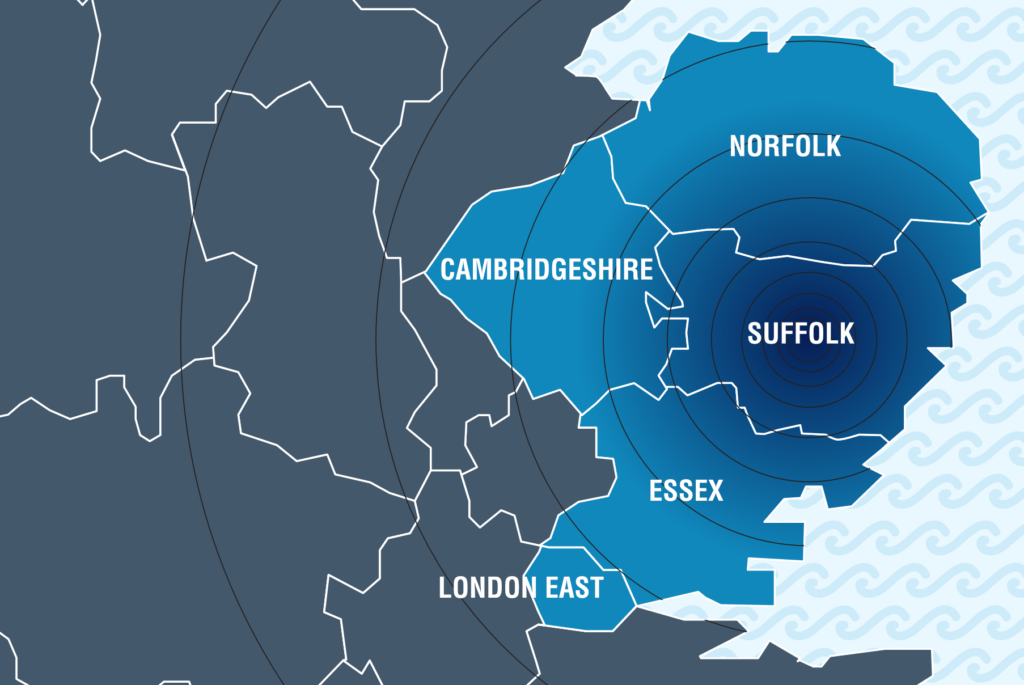
Do not wait for the problem to get worse. KDS Property Preservation offers free inspections across Suffolk, Norfolk, and Essex. We will identify the cause, advise on the right treatment, and give you an honest, no-obligation quote.