If you have discovered rotting timber in your home, you are probably wondering whether it is dry rot or wet rot — and whether it really matters. The short answer is yes, it matters enormously. Despite both being forms of fungal decay that attack timber, dry rot and wet rot behave very differently, cause different levels of damage, and require completely different treatment approaches. Getting the diagnosis wrong can be an expensive mistake.
Both types of rot are common across Ipswich, Bury St Edmunds, and the wider Suffolk area, where a large proportion of the housing stock dates from the Victorian and Edwardian periods. Suspended timber floors, ageing roof structures, and damp sub-floor voids in older properties create ideal conditions for fungal decay to establish — often going unnoticed for years behind plaster or beneath floorboards.
What Is Dry Rot?
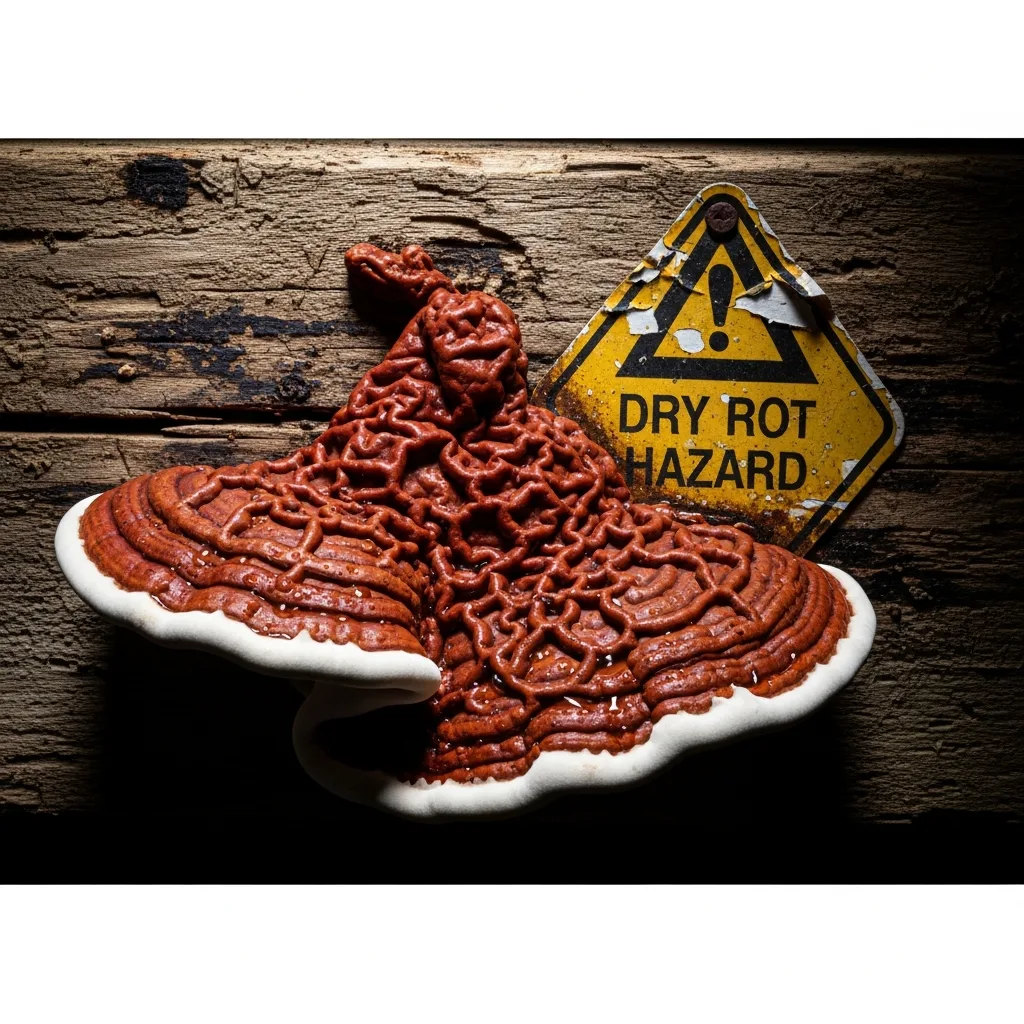
Dry rot is caused by the fungus Serpula lacrymans and is the most destructive form of timber decay found in UK buildings. Despite its misleading name, dry rot requires moisture to get started — typically a timber moisture content of around 20-30%. What makes dry rot so dangerous is its ability to spread far beyond the original damp area.
Unlike any other wood-destroying fungus, Serpula lacrymans can transport water through its root-like strands (called hyphae or mycelium) across inert materials such as brick, stone, and plaster to reach and attack dry timber in other parts of the building. This means that a dry rot outbreak starting in a damp sub-floor can travel through masonry walls to destroy floor joists, skirting boards, door frames, and structural timbers in rooms that appear completely dry.
Left untreated, dry rot can cause catastrophic structural damage. It has been responsible for collapses of entire floor structures, and remediation can run into tens of thousands of pounds if the outbreak is allowed to spread unchecked.
Signs of Dry Rot
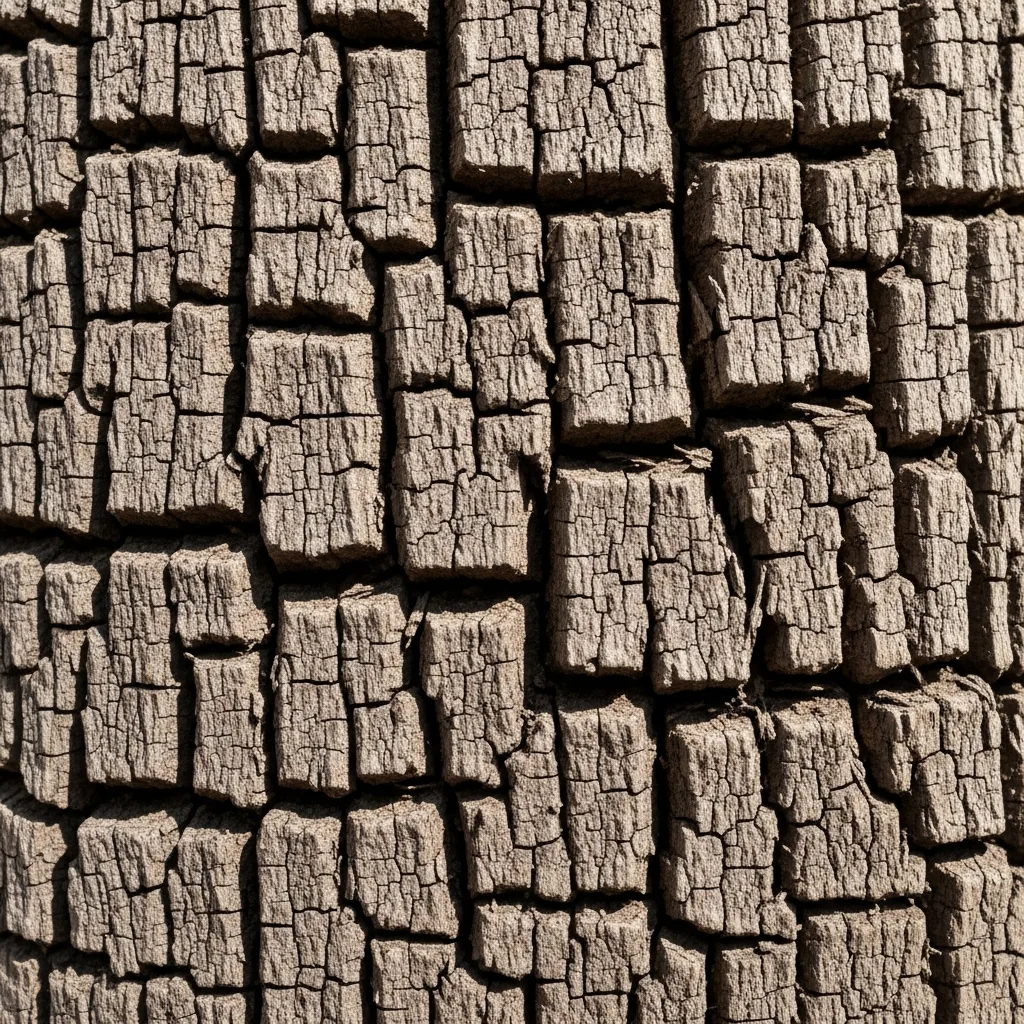
- Deep cuboidal cracking in the timber — the wood splits into brick-shaped chunks
- White or grey cotton-wool-like mycelium growing across surfaces
- A large, pancake-shaped fruiting body with a rusty-red centre and white edges
- Fine, rust-coloured spore dust settling on surfaces near the outbreak
- A distinctive damp, mushroom-like smell in affected areas
- Timber that feels lightweight, dry, and crumbly when touched
What Is Wet Rot?
Wet rot is caused by several different species of fungus, with Coniophora puteana (cellar fungus) being the most common in the UK. Wet rot is significantly more prevalent than dry rot — it accounts for approximately 80% of all fungal timber decay found in UK properties.
Unlike dry rot, wet rot cannot spread through masonry or transport water across non-timber materials. It is confined to the damp timber itself and will not attack wood beyond the area of moisture. This makes wet rot far less destructive overall, but it can still cause serious localised damage, particularly to window frames, door frames, skirting boards, floor joists in damp sub-floors, and fascia boards exposed to rainwater.
Signs of Wet Rot
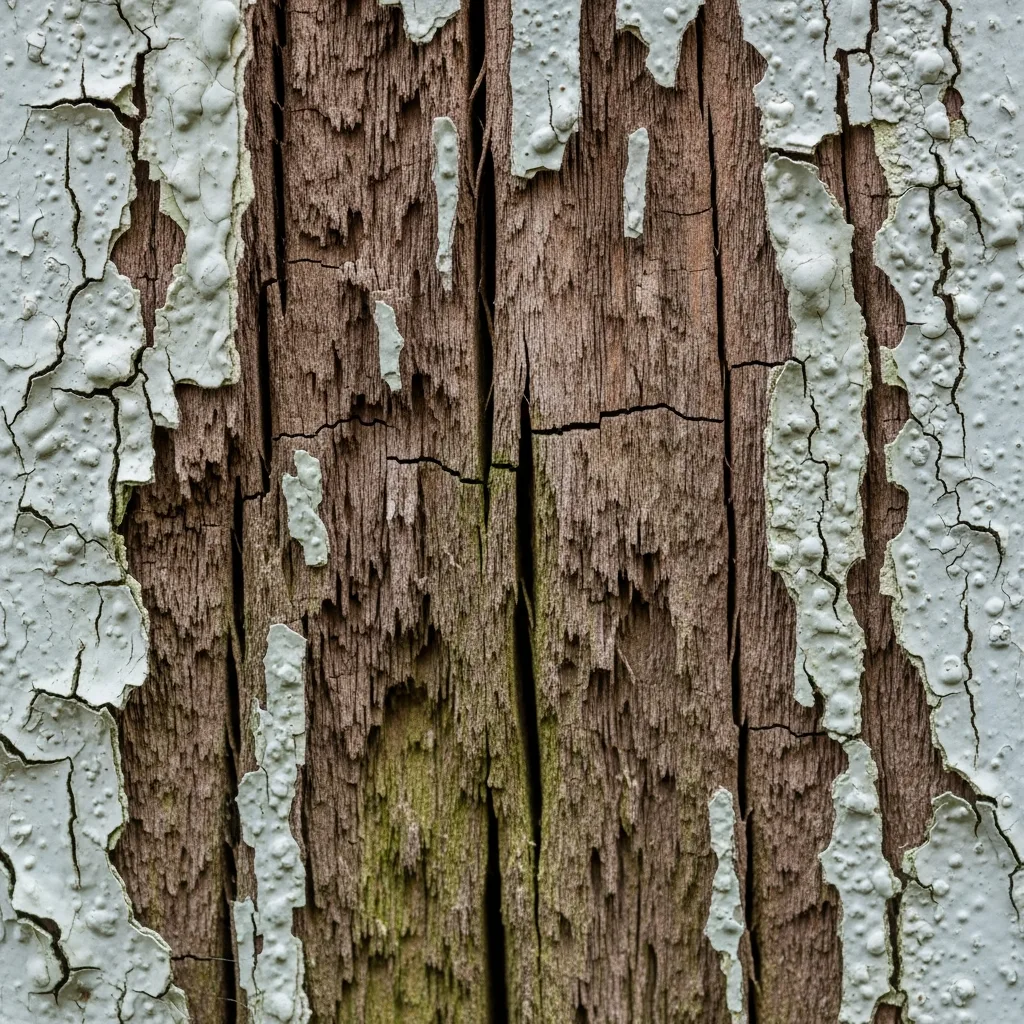
- Darkened, discoloured timber that appears wet or damp to the touch
- Soft, spongy wood that can be easily penetrated with a screwdriver
- Cracking along the grain of the timber (linear cracking, not cuboidal)
- Paint peeling or flaking on timber surfaces such as window sills and door frames
- A localised damp smell near the affected timber
- Fungal growth that is typically dark brown or black (not white or red)
Key Differences at a Glance
| Dry Rot | Wet Rot | |
|---|---|---|
| Fungus | Serpula lacrymans | Coniophora puteana (most common) |
| Spread | Can spread through masonry to attack dry timber | Confined to damp timber only |
| Severity | Extremely destructive — can cause structural failure | Localised damage — serious but contained |
| Appearance | Cuboidal cracking, white mycelium, red fruiting body | Linear cracking along grain, darkened timber |
| Smell | Distinctive mushroom-like odour | Damp, musty smell (less distinctive) |
| Moisture needed | 20-30% to start, then self-sustaining | Requires persistent high moisture (40%+) |
| Prevalence | Less common (approx. 20% of cases) | Very common (approx. 80% of cases) |
Why Correct Diagnosis Matters
The treatment protocols for dry rot and wet rot are fundamentally different. Treating a dry rot outbreak as if it were wet rot — for example, simply replacing the damaged timber without sterilising the surrounding masonry — will allow the fungus to continue spreading unchecked, potentially leading to far more extensive damage.
Conversely, treating wet rot with the full dry rot protocol (removing plaster, drilling and injecting masonry with fungicide, and extensive timber removal) is unnecessarily invasive and expensive. Wet rot is typically resolved by stopping the source of moisture and replacing the affected timber sections.
How Is Dry Rot Treated?
Dry rot treatment is more extensive and must address both the fungal outbreak and its ability to spread through masonry. The process typically involves:
Identify and eliminate the moisture source
Dry rot needs moisture to become established. Fixing the root cause — whether it is a leaking pipe, rising damp, defective guttering, or poor ventilation — is the essential first step.
Remove all affected timber
Decayed timber must be cut back to at least one metre beyond the last visible sign of fungal growth. This ensures all infected material is removed.
Strip and sterilise surrounding masonry
Plaster is removed from walls in the affected area, and the exposed masonry is drilled and injected with a specialist masonry biocide to kill any fungal strands (hyphae) within the brickwork or stonework.
Replace with pre-treated timber
New timbers are treated with preservative before installation. Where they contact masonry, they are isolated using DPC material to prevent future moisture absorption.
Environmental controls
Improving ventilation and addressing any ongoing damp issues is essential to prevent reoccurrence. Without eliminating the conditions that allowed the fungus to establish, it can return.
How Is Wet Rot Treated?
Wet rot treatment is generally simpler and less invasive than dry rot treatment. Because wet rot cannot spread through masonry, the focus is on removing the moisture source and replacing the damaged timber:
Stop the moisture source
Whether it is a leaking gutter, rising damp, a defective window seal, or condensation — the source of water keeping the timber damp must be fixed first.
Remove and replace damaged timber
Sections of timber that have lost structural integrity are cut out and replaced with new, pre-treated timber. For less severely affected areas, resin consolidation may be sufficient.
Apply preservative treatment
Surrounding timbers that are at risk are treated with a fungicidal preservative spray or paste to prevent the fungus from re-establishing.
When to Call a Professional
If you have discovered any form of fungal decay in your property, we strongly recommend getting a professional assessment as soon as possible. This is particularly important because:
- Dry rot can look like wet rot in its early stages, and vice versa
- The visible damage is often just the tip of the iceberg — the full extent may be hidden behind plaster, under floors, or in roof voids
- Structural timbers may be affected, creating a safety risk
- Early intervention is far cheaper than dealing with an advanced outbreak
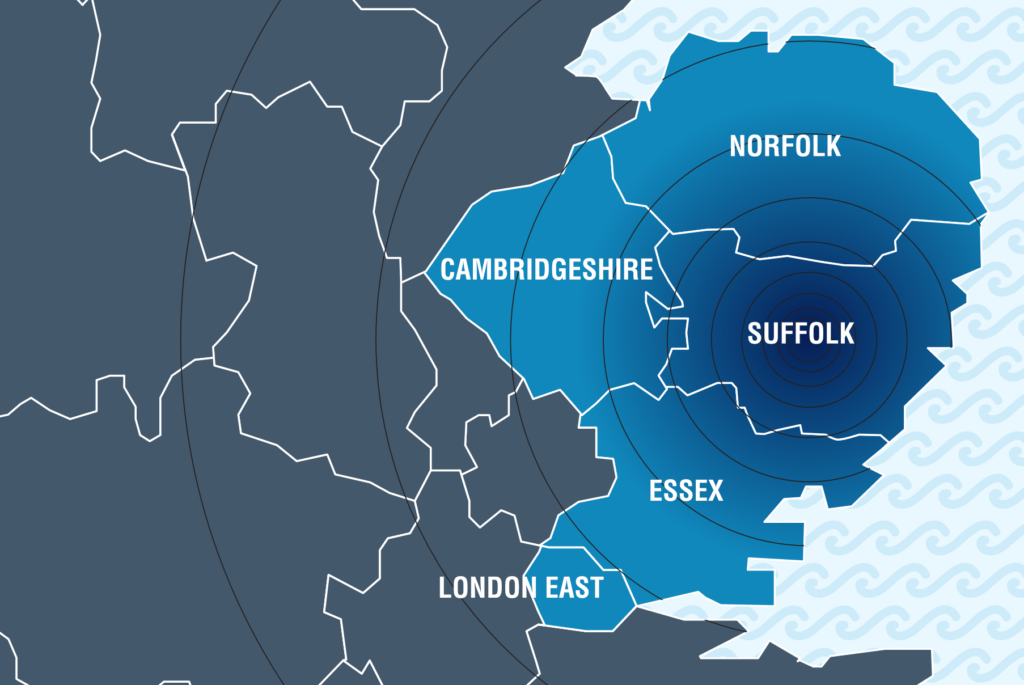
KDS Property Preservation provides free timber inspections across Suffolk, Norfolk, and Essex. Our experienced specialists will identify the type of rot, assess the full extent of the damage, and provide a fixed-price quotation for the recommended treatment.
Found Rot in Your Property?
Do not delay — early treatment prevents the problem from spreading and keeps repair costs down. Book a free timber inspection with KDS Property Preservation today.