
Rising damp is one of the most frequently discussed — and most misunderstood — structural problems affecting UK homes. If you own an older property, particularly one built before the 1920s, there is a reasonable chance you have encountered damp patches at the base of your walls, crumbling plaster, or that distinctive musty smell that never quite goes away. But what exactly is rising damp, and how do you fix it?
It is a particularly common problem across Ipswich and Suffolk. The region has an exceptionally high concentration of Victorian and Edwardian terraced housing — many built before damp proof courses were standard practice — as well as period farmhouses, cottages, and older semi-detached properties where the original slate or bitumen DPC has long since deteriorated. At KDS Property Preservation, rising damp treatment is one of the most frequent jobs we carry out across the county.
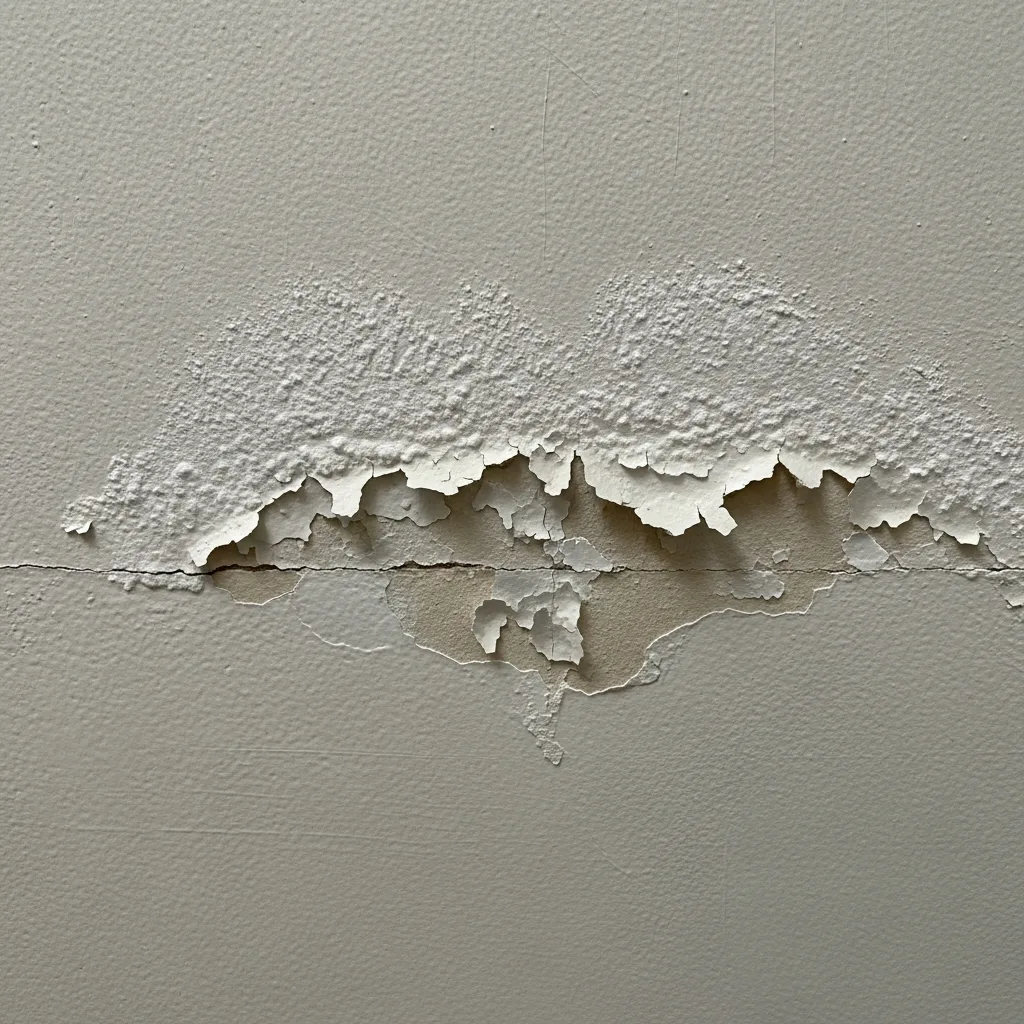
What Is Rising Damp?
Rising damp occurs when groundwater is drawn upwards through the porous fabric of a building's walls by a process called capillary action. Think of it like dipping the corner of a paper towel into a glass of water — the water travels upwards through the tiny pores in the paper. The same principle applies to bricks, mortar, and stone.
In a modern property, a damp proof course (DPC) — typically a strip of plastic or bitumen built into the wall at low level — prevents this moisture from rising. However, in many older UK homes, the original DPC may be missing entirely, may have been poorly installed, or may have simply deteriorated over decades of exposure to moisture and ground movement.
When the DPC fails or is absent, there is nothing to stop groundwater travelling upwards through the masonry. As the moisture evaporates from the wall surface, it deposits dissolved mineral salts (chlorides and nitrates) on the plaster. These salts are hygroscopic, meaning they actively attract moisture from the surrounding air, creating a self-perpetuating cycle of dampness that will not resolve without intervention.
What Causes Rising Damp?
Rising damp does not happen randomly. There is always an underlying reason, and understanding the cause is essential for choosing the right treatment. The most common causes include:
Missing or failed DPC
Many properties built before 1875 were constructed without any damp proof course. Even where a DPC was installed, early materials such as slate or bitumen can crack and degrade over time.
Bridged DPC
External ground levels, paths, patios, or renders raised above the DPC line allow moisture to bypass the barrier entirely. This is one of the most common causes of apparent rising damp.
High external ground levels
Over decades, soil and paving levels around a property tend to rise. When the ground outside sits higher than the DPC inside, moisture is pushed directly into the wall above the barrier.
Blocked sub-floor ventilation
Properties with suspended timber floors rely on air bricks to ventilate the space beneath. When these become blocked by soil, debris, or render, moisture accumulates and is absorbed into surrounding walls.
Non-breathable coatings
Cement render, vinyl paint, or impermeable tanking applied externally can trap moisture within the masonry, driving it inwards and upwards — making symptoms significantly worse.
How to Recognise the Signs
Rising damp produces a distinctive pattern of damage that is relatively easy to identify once you know what to look for. The key indicators include:
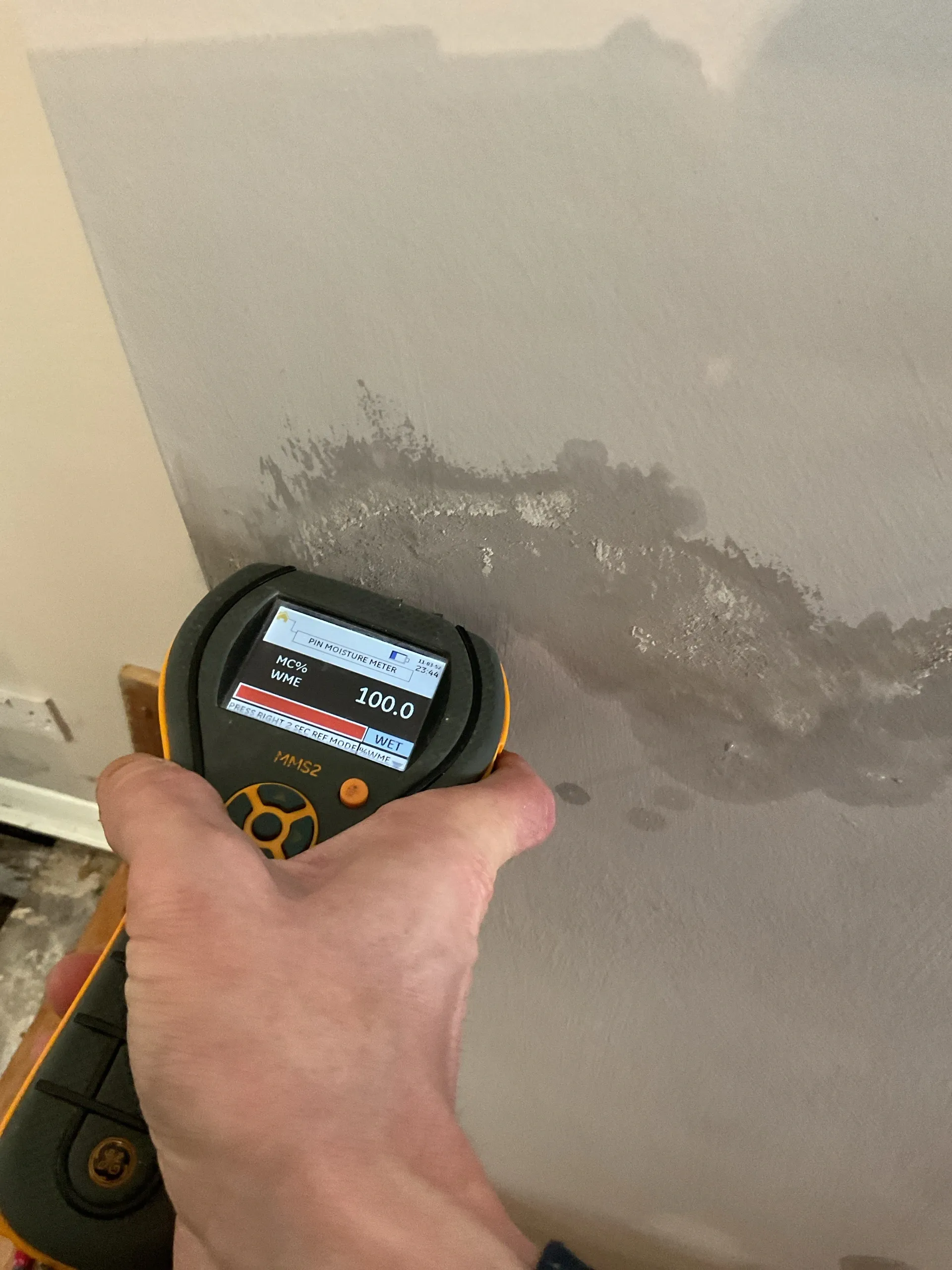
Warning Signs to Look For
- A horizontal tide mark on internal walls, typically up to one metre above floor level
- White, powdery salt deposits (efflorescence) on the plaster or brickwork
- Peeling paint, blistering wallpaper, or crumbling plaster at low level
- Decaying skirting boards or timber in contact with the damp wall
- Black mould growth along the base of walls in ground-floor rooms
- A persistent musty, damp smell even when the room appears dry
It is important to note that rising damp rarely exceeds 1.2 metres in height. If you have damp patches higher up the wall, on chimney breasts, or around windows, the problem is almost certainly caused by something else — such as penetrating damp, condensation, or a plumbing leak. Accurate diagnosis is critical before any treatment begins, which is why a professional damp inspection is always the recommended first step.
How to Fix Rising Damp
The standard professional treatment for rising damp involves two essential stages: installing a new chemical damp proof course and replacing the contaminated plaster. Both steps are necessary for a lasting cure.
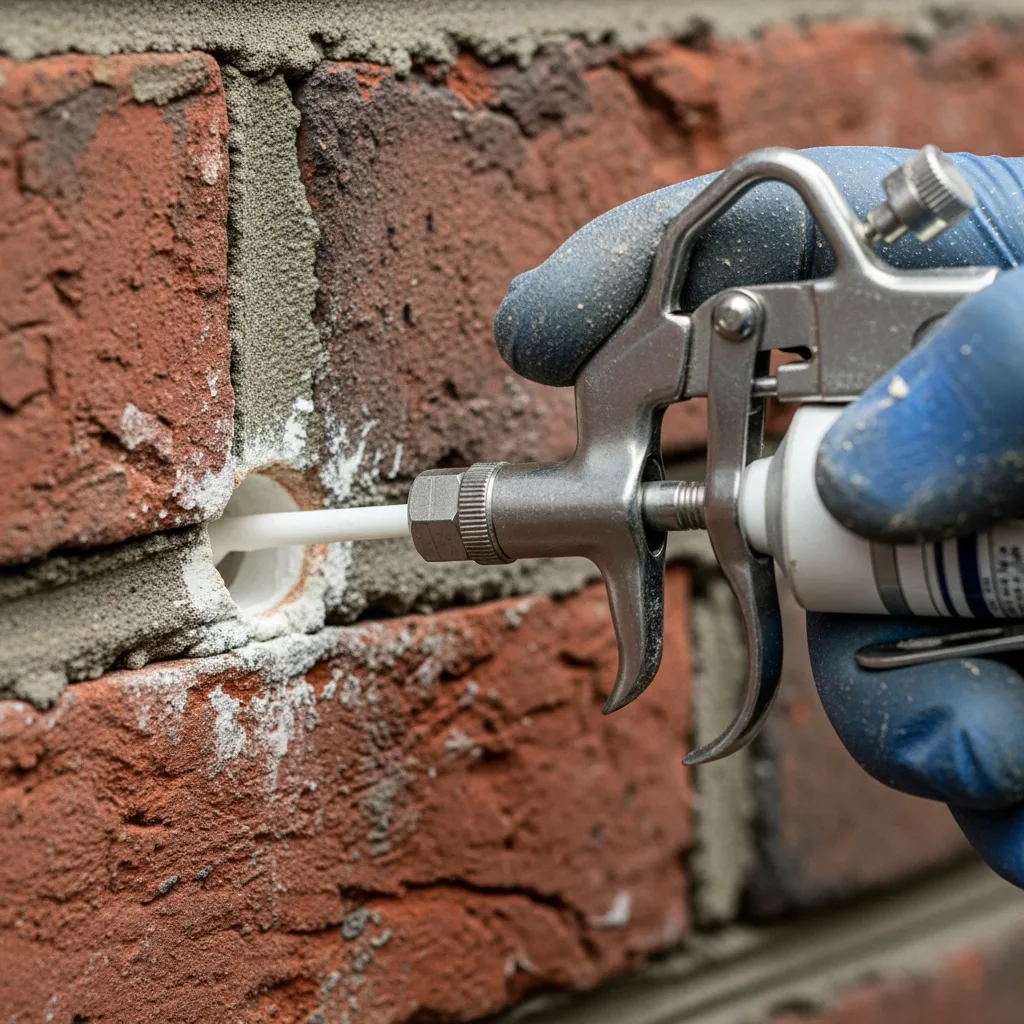
Stage 1: Chemical DPC Injection
A series of small holes are drilled into the mortar bed at the base of the wall at regular intervals (typically every 120mm). A high-performance silane/siloxane damp proofing cream is then injected into these holes under low pressure. The cream diffuses through the surrounding masonry, creating a continuous water-repellent barrier that prevents further moisture from rising.
The injection cream used by professionals contains a high concentration of active ingredient (typically 80% or above), which is significantly more effective than the diluted products found in DIY kits. The holes are drilled to a precise depth based on wall thickness, ensuring the barrier extends fully through the masonry.
Stage 2: Salt-Retardant Replastering
This is the step that many DIY attempts miss entirely — and it is arguably the most important. Even after a new DPC has been successfully installed, the old plaster will be saturated with hygroscopic salts. These salts will continue to attract moisture from the air indefinitely, making the wall appear damp regardless of whether the rising damp has been stopped.
The contaminated plaster must be removed to a height of at least 300mm above the visible tide mark and replaced with a specialist salt-retardant render system. This prevents the salts from migrating to the surface and allows the wall to dry out properly.
Why DIY Treatments Often Fail
DIY rising damp kits are widely available online and in hardware stores, but they have a very poor success rate. There are three main reasons for this:
Low Concentration
DIY kits typically contain just 10-20% active ingredient, compared to the 80%+ used in professional treatments. This diluted formula simply cannot create an effective barrier.
Incorrect Application
Drilling to the wrong depth, at the wrong spacing, or in the wrong position leaves gaps in the DPC barrier. Water will always find the weakest point.
No Replastering
Almost no DIY attempt includes removing and replacing the salt-contaminated plaster. Without this step, the wall continues to attract moisture from the air.
How Much Does Rising Damp Treatment Cost?
The cost of treating rising damp varies depending on the length of wall being treated, wall thickness, accessibility, and the extent of replastering required. As a rough guide, treating a single room including DPC injection and replastering might cost from around £800 to £1,500. A full terraced house could range from £2,000 to £5,000 or more depending on the severity of the problem.
The most reliable way to get an accurate price is to arrange a professional damp inspection. A specialist will assess the extent of the problem, identify the root cause, and provide a fixed-price quotation with no hidden extras.
What to Do Next
If you suspect rising damp in your home, the most important step is getting an accurate diagnosis. Not all low-level dampness is rising damp — condensation, penetrating damp, and plumbing leaks can all produce similar symptoms but require completely different treatments.
KDS Property Preservation offers free, no-obligation damp inspections across Suffolk, Norfolk, and Essex. Our experienced specialists will identify the exact cause of the dampness and provide you with a clear, jargon-free explanation of the problem and a fixed-price quotation for the recommended treatment.
Think You Have Rising Damp?
Book a free damp inspection with KDS Property Preservation. We cover Ipswich, Norwich, Colchester, Bury St Edmunds, and all surrounding areas across Suffolk, Norfolk, and Essex.