Dry Rot Treatment in Bury St Edmunds
Full containment and eradication of Serpula lacrymans — the most destructive form of fungal timber decay.
Dry Rot Treatment in Bury St Edmunds
Dry rot (Serpula lacrymans) is the most destructive form of timber decay found in UK buildings. Unlike wet rot fungi, Serpula lacrymans can transport water through its strand (mycelium) network from damp areas to dry timber some distance away, allowing it to spread through and across masonry in addition to timber. A dry rot outbreak, if not treated properly, can spread through an entire building — crossing walls, floors, and ceilings — and cause catastrophic structural failure of the affected timbers.
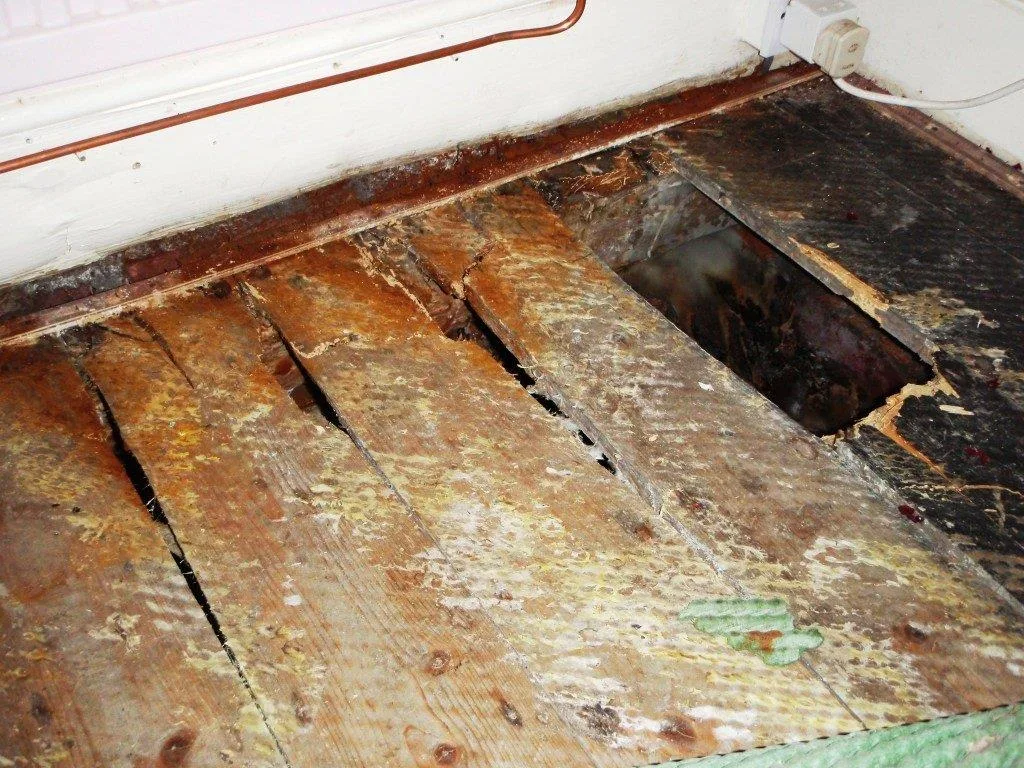
The name 'dry rot' is misleading — the fungus requires moisture to establish, typically needing timber with a moisture content above 20%. It is called 'dry' because by the time it is discovered, the timber it has attacked has been so completely destroyed that it appears dry and cuboidal (split into brick-like sections). The key to successful dry rot treatment is identifying and eliminating the moisture source that allowed the fungus to establish, then eradicating the full extent of the outbreak — which is typically much larger than the visible fruiting bodies suggest.
Signs to Look For in Your Bury St Edmunds Property
- →Cuboidal cracking of timber (splits into brick-like sections), with the wood feeling light and dry
- →White or grey strands (mycelium) spreading across surfaces — sometimes described as 'cotton wool' or 'cobweb' in appearance
- →Orange-brown or rusty-red fruiting bodies (sporophores) with a fleshy, pancake-like appearance on walls or timber
- →A distinctive sweet, musty smell, often described as mushroom-like
- →Red or orange dust (spores) on surfaces near the fruiting body
- →Timber that collapses when prodded with a screwdriver or knife — complete loss of structural integrity
Why Bury St Edmunds Properties Are Particularly Affected
We treat dry rot outbreaks in Bury St Edmunds properties regularly, most often in older town-centre buildings where roof leaks or plumbing failures have created a warm, wet environment for Serpula lacrymans to establish. The fungus can travel through the wall masonry to reach previously unaffected timbers.
Bury St Edmunds sits on relatively free-draining chalk and loam soils in west Suffolk, but the lower-lying areas around the River Lark experience elevated groundwater levels. Properties in the medieval grid have deep, old foundations that are susceptible to lateral water pressure from the surrounding soil.
How We Treat Dry Rot Treatment in Bury St Edmunds
Identify and eliminate the moisture source — without this step, treatment will fail and the fungus will re-establish
Remove all visually infected timber plus a further 500mm of apparently sound timber in all directions beyond the visible decay
Strip plaster from all affected walls and sterilise masonry with a fungicidal solution to destroy mycelium within the masonry
Treat all replacement and adjacent timbers with a fungicidal preservative and apply a masonry fungicide to walls
Install replacement, pre-treated timber and monitor the area with moisture meters over subsequent visits to confirm the outbreak has not returned
Areas Covered in Suffolk
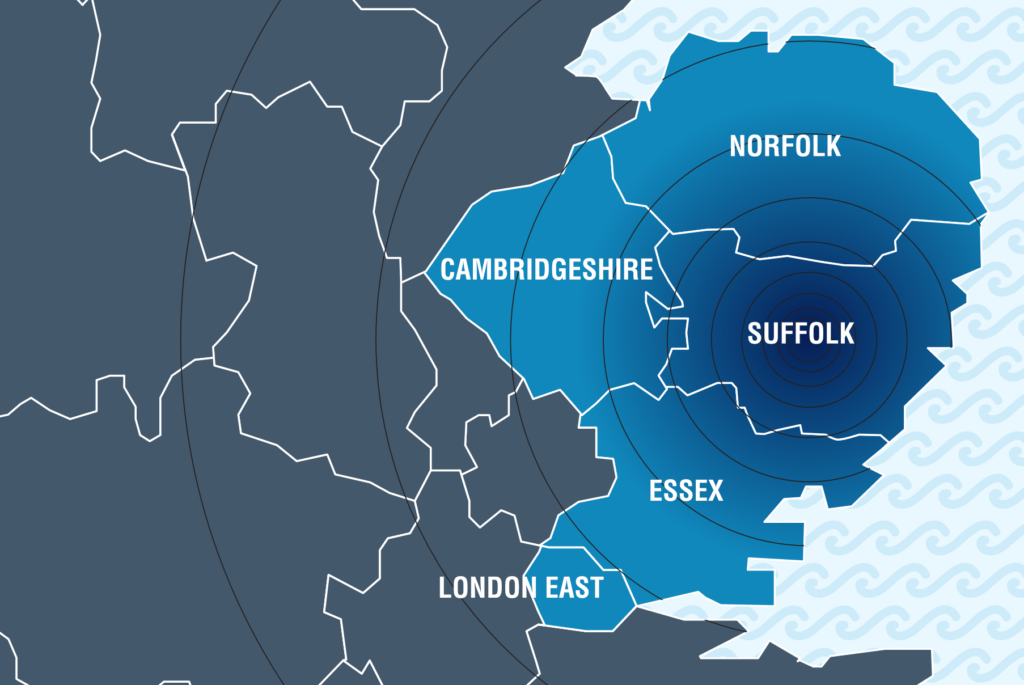
We provide dry rot treatment throughout Bury St Edmunds (IP28, IP29, IP30, IP31, IP32, IP33) and the surrounding areas including Moreton Hall, Fornham All Saints, Great Barton, Thurston, Rougham, Horringer, Ixworth.
Our local inspection team can usually attend within 48 hours. Call 01473 561 031 or use the form to book.
Common Questions About Dry Rot Treatment in Bury St Edmunds
Our Bury St Edmunds Guarantee
All our dry rot treatment work in Bury St Edmunds comes with a long-term written guarantee. Our guarantees are accepted by the majority of UK mortgage lenders and are transferable to new owners on sale of the property.
Related Services in Bury St Edmunds
Free Bury St Edmunds Inspection
Request an Inspection
Leave us your details and we'll be in touch