Loft Insulation in Bury St Edmunds
Reducing heat loss, lowering energy bills, and improving comfort with professional loft insulation.
Loft Insulation in Bury St Edmunds
Approximately 25% of a property's heat loss occurs through the roof, making loft insulation one of the most cost-effective energy efficiency improvements available. For properties with an accessible pitched loft and adequate headroom, laying mineral wool insulation between and over the joists to the current recommended depth of 270mm reduces heat loss dramatically, typically cutting energy bills by £150–250 per year in an uninsulated or under-insulated home. The payback period for professionally installed loft insulation is typically three to five years.
Loft insulation also directly affects damp and mould risk. A cold, poorly insulated loft reduces the temperature of the ceiling below, which increases the likelihood of condensation forming on that surface in rooms where humidity is high — particularly bedrooms. Improving loft insulation raises ceiling temperatures, reduces the cold bridge at the ceiling-wall junction (one of the most common mould locations), and contributes significantly to a reduction in condensation-related problems throughout the property.
Signs to Look For in Your Bury St Edmunds Property
- →Energy bills noticeably higher than comparable properties in the area
- →Upper floor rooms that are cold in winter despite adequate heating
- →Mould or condensation on ceilings or at ceiling-wall junctions in upper-floor rooms
- →Existing insulation that is less than 100mm deep, compressed, or damp
- →Ice or frost forming on the roof tiles directly above where insulation is absent
- →Cold draught from loft hatch — typically indicating no or very limited loft insulation
Why Bury St Edmunds Properties Are Particularly Affected
Many of Bury St Edmunds' older properties have inadequate or absent loft insulation. Cold loft floors transfer cold into the upper rooms, raising the risk of condensation on ceiling and wall surfaces. Upgrading loft insulation is a highly cost-effective first step in reducing condensation.
Bury St Edmunds sits on relatively free-draining chalk and loam soils in west Suffolk, but the lower-lying areas around the River Lark experience elevated groundwater levels. Properties in the medieval grid have deep, old foundations that are susceptible to lateral water pressure from the surrounding soil.
How We Treat Loft Insulation in Bury St Edmunds
Access and inspect the loft to assess existing insulation and identify any obstacles, condensation issues, or roof defects
Ensure adequate ventilation is in place at eaves level before laying insulation — essential to prevent interstitial condensation
Lay a first layer of mineral wool between the joists, cutting to fit tightly without compression
Lay a second layer across the joists at 90° to the first, building up to the full recommended depth of 270mm
Insulate the loft hatch and any water pipes or tanks exposed above the insulation level to prevent freezing
Areas Covered in Suffolk
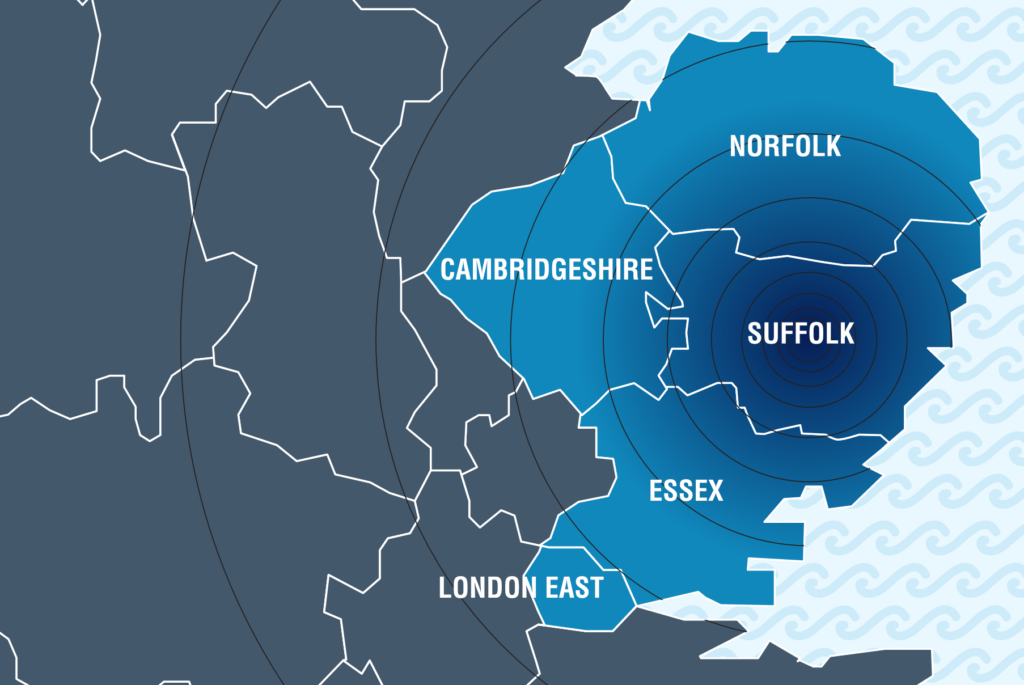
We provide loft insulation throughout Bury St Edmunds (IP28, IP29, IP30, IP31, IP32, IP33) and the surrounding areas including Moreton Hall, Fornham All Saints, Great Barton, Thurston, Rougham, Horringer, Ixworth.
Our local inspection team can usually attend within 48 hours. Call 01473 561 031 or use the form to book.
Common Questions About Loft Insulation in Bury St Edmunds
Our Bury St Edmunds Guarantee
All our loft insulation work in Bury St Edmunds comes with a long-term written guarantee. Our guarantees are accepted by the majority of UK mortgage lenders and are transferable to new owners on sale of the property.
Related Services in Bury St Edmunds
Free Bury St Edmunds Inspection
Request an Inspection
Leave us your details and we'll be in touch