Woodworm Treatment in Bury St Edmunds
Professional eradication of wood-boring beetles in floor joists, roof timbers, staircases, and structural timber.
Woodworm Treatment in Bury St Edmunds
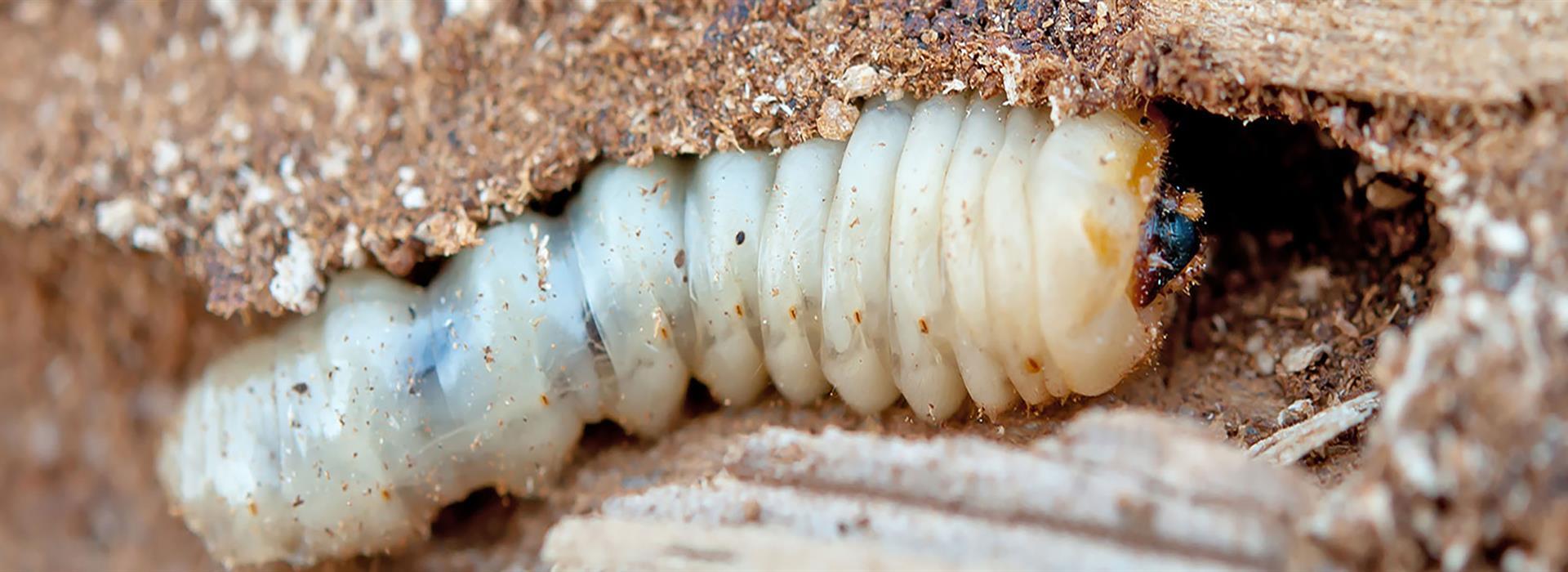
Woodworm is the collective term for the larval stage of wood-boring beetles — most commonly the Common Furniture Beetle (Anobium punctatum), though the Death Watch Beetle, House Longhorn Beetle, and Bark Borer also occur in UK properties. Adult beetles lay their eggs on or in timber surfaces; the larvae hatch and bore through the wood for one to five years before emerging through the familiar round flight holes. A single active infestation, left untreated, can progressively hollow out structural timber — particularly softwood floor joists and roof rafters — to the point of failure.
Distinguishing active from inactive woodworm is important before committing to treatment. Active infestations show fresh cream-coloured frass (bore dust) around flight holes, clean-edged holes with a bright internal colour, and in some cases adult beetles found on windowsills between May and September. Inactive infestations leave dark, dirty-edged holes without fresh frass and no sign of recent beetle emergence. Active infestations require treatment; inactive ones require monitoring. Our inspectors carry out a thorough assessment to determine which applies.
Signs to Look For in Your Bury St Edmunds Property
- →Round exit holes (1–3mm for Common Furniture Beetle, up to 3mm for Death Watch, 6mm+ for House Longhorn) in timber surfaces
- →Fresh cream or pale yellow powdery frass (bore dust) around or below exit holes
- →Small brown beetles found dead or alive on windowsills, particularly between May and September
- →Timber that feels soft or crumbles when probed with a blade or screwdriver
- →A fine powder falling from joists or boards in the loft or sub-floor void
- →Squeaking floorboards or structural weakness in areas with significant infestation
Why Bury St Edmunds Properties Are Particularly Affected
Death Watch Beetle (Xestobium rufovillosum) is a significant concern in Bury St Edmunds. This insect attacks hardwood timbers — oak, elm, chestnut — which are found in the older timber-framed buildings throughout the town centre. Unlike the more common Common Furniture Beetle, Death Watch Beetle can cause serious structural damage and requires specialist boron-based treatments.
Bury St Edmunds sits on relatively free-draining chalk and loam soils in west Suffolk, but the lower-lying areas around the River Lark experience elevated groundwater levels. Properties in the medieval grid have deep, old foundations that are susceptible to lateral water pressure from the surrounding soil.
How We Treat Woodworm Treatment in Bury St Edmunds
Carry out a thorough inspection of all accessible timber — floor joists, roof timbers, staircase, skirtings, and door frames — using a torch and probe
Classify all flight holes as active or inactive based on frass colour, hole edge condition, and emergence evidence
Apply a permethrin-based water-borne insecticidal fluid by brush or low-pressure spray to all exposed surfaces of affected and adjacent timber
Allow the insecticide to penetrate the timber surface and dry; the fluid remains active within the timber for many years
Issue a treatment guarantee covering re-treatment in the event of further active emergence, typically for 20–30 years
Areas Covered in Suffolk
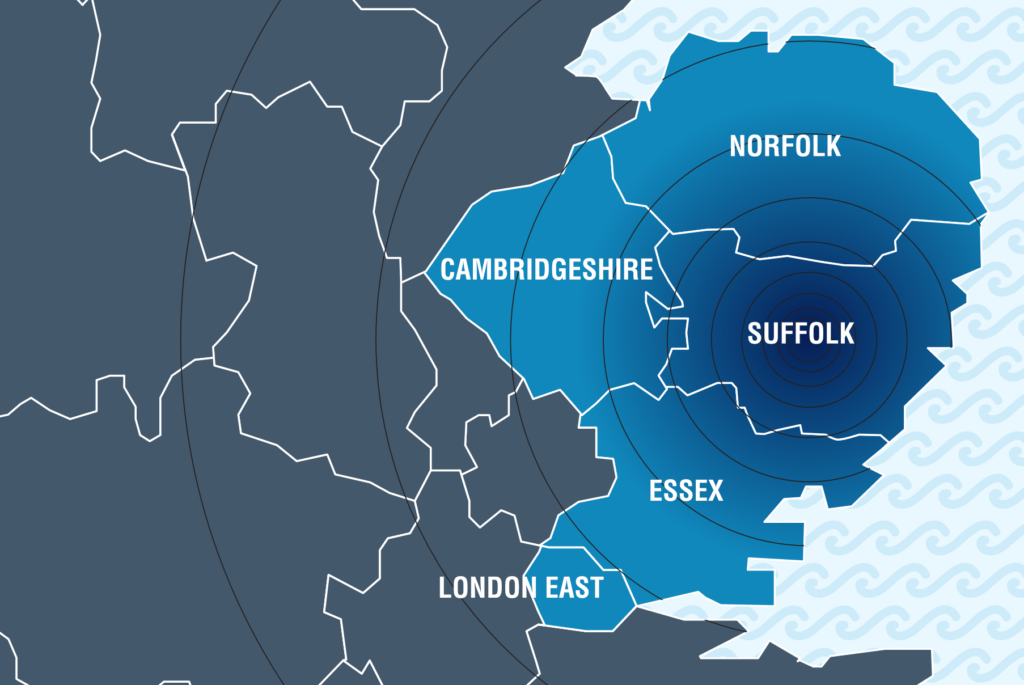
We provide woodworm treatment throughout Bury St Edmunds (IP28, IP29, IP30, IP31, IP32, IP33) and the surrounding areas including Moreton Hall, Fornham All Saints, Great Barton, Thurston, Rougham, Horringer, Ixworth.
Our local inspection team can usually attend within 48 hours. Call 01473 561 031 or use the form to book.
Common Questions About Woodworm Treatment in Bury St Edmunds
Our Bury St Edmunds Guarantee
All our woodworm treatment work in Bury St Edmunds comes with a long-term written guarantee. Our guarantees are accepted by the majority of UK mortgage lenders and are transferable to new owners on sale of the property.
Related Services in Bury St Edmunds
Free Bury St Edmunds Inspection
Request an Inspection
Leave us your details and we'll be in touch