Basement Waterproofing in Cambridge
Converting damp, unusable basements into permanently dry living or working space.
Basement Waterproofing in Cambridge
Basement waterproofing involves the installation of systems that prevent groundwater and moisture from penetrating a below-ground structure, creating a dry, usable space. There are three types of waterproofing system defined by BS 8102: Type A (barrier protection — applied membranes), Type B (structurally integral — dense concrete or waterproof blocks), and Type C (cavity drain — an internal drainage system that collects and manages water ingress). In most existing residential properties with damp basements, Type C cavity drain systems are the most practical and reliable solution, as they manage water rather than attempt to stop it.
A properly waterproofed basement adds significant usable square footage to a property without the expense and planning complexity of a conventional extension. In high-value areas, the return on investment from a professionally waterproofed basement conversion can be substantial. Our designs comply with BS 8102 and NHBC standards, and our installation teams have extensive experience with the specific groundwater and soil conditions found in each area we serve.
Signs to Look For in Your Cambridge Property
- →Water ingress during heavy rain — puddles or running water on the basement floor
- →Persistent damp on basement walls or floor, present year-round
- →White salt deposits (efflorescence) on basement walls indicating moisture movement
- →Musty or earthy smell in the basement area
- →Mould growth on walls, floor, or any timber or plasterboard
- →Rust staining on metal fixtures, fixings, or structural steelwork
Why Cambridge Properties Are Particularly Affected
Cambridge's relatively high water table along the Cam corridor means many properties and commercial buildings require basement waterproofing. University buildings, hotels, and residential properties in the historic centre regularly require Type C cavity drain systems to manage water ingress from the chalk and river gravel beneath the city.
Cambridge sits on chalk and river gravels alongside the River Cam, with clay soils in the lower-lying areas around the southern edge of the city. The water table in central Cambridge and along the Cam corridor is relatively high, and the low-lying meadow areas around Midsummer Common and the Backs are notably damp. Properties near the river and in the Mill Road and Romsey areas are most susceptible.
How We Treat Basement Waterproofing in Cambridge
Assess the hydrostatic pressure and groundwater conditions specific to the property
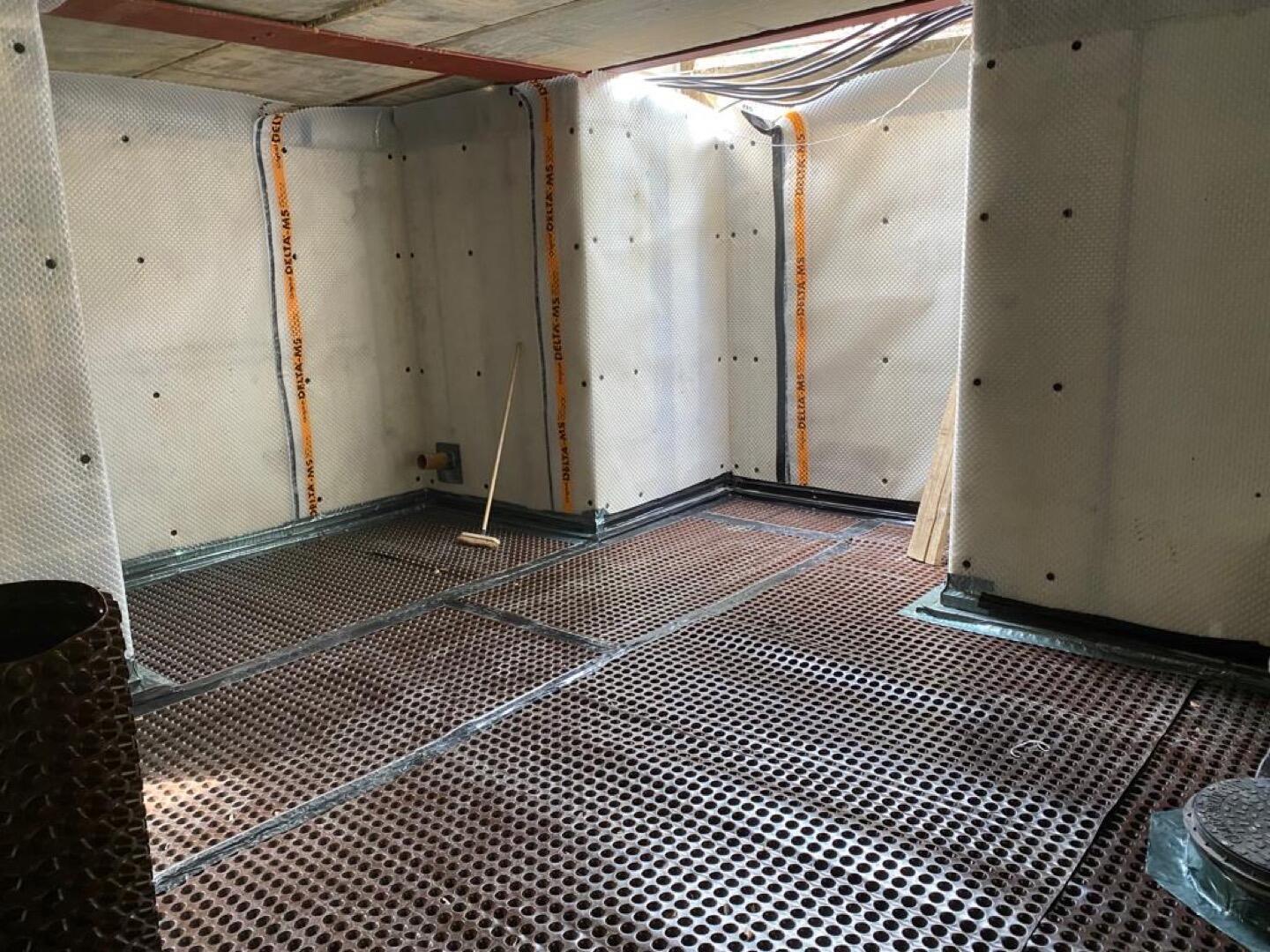
Install a dimpled polypropylene cavity drain membrane to all walls and floor, creating a drainage void between the membrane and the structure
Install a perimeter channel at the base of the walls to collect and direct any water that enters through the wall
Install a sump chamber with a dual-pump system to actively remove collected water from the cavity system
Finish with appropriate internal lining (plasterboard, studwork) to create a habitable or commercial environment
Areas Covered in Cambridgeshire
We provide basement waterproofing throughout Cambridge (CB1, CB2, CB3, CB4, CB5) and the surrounding areas including Trumpington, Cherry Hinton, Newnham, Chesterton, Histon, Impington, Girton, Barton, Grantchester.
Our local inspection team can usually attend within 48 hours. Call 01473 561 031 or use the form to book.
Common Questions About Basement Waterproofing in Cambridge
Our Cambridge Guarantee
All our basement waterproofing work in Cambridge comes with a long-term written guarantee. Our guarantees are accepted by the majority of UK mortgage lenders and are transferable to new owners on sale of the property.
Related Services in Cambridge
Free Cambridge Inspection
Request an Inspection
Leave us your details and we'll be in touch