Black Mould Removal in Cambridge
Professional removal of black mould with treatment to prevent regrowth and improve indoor air quality.
Black Mould Removal in Cambridge
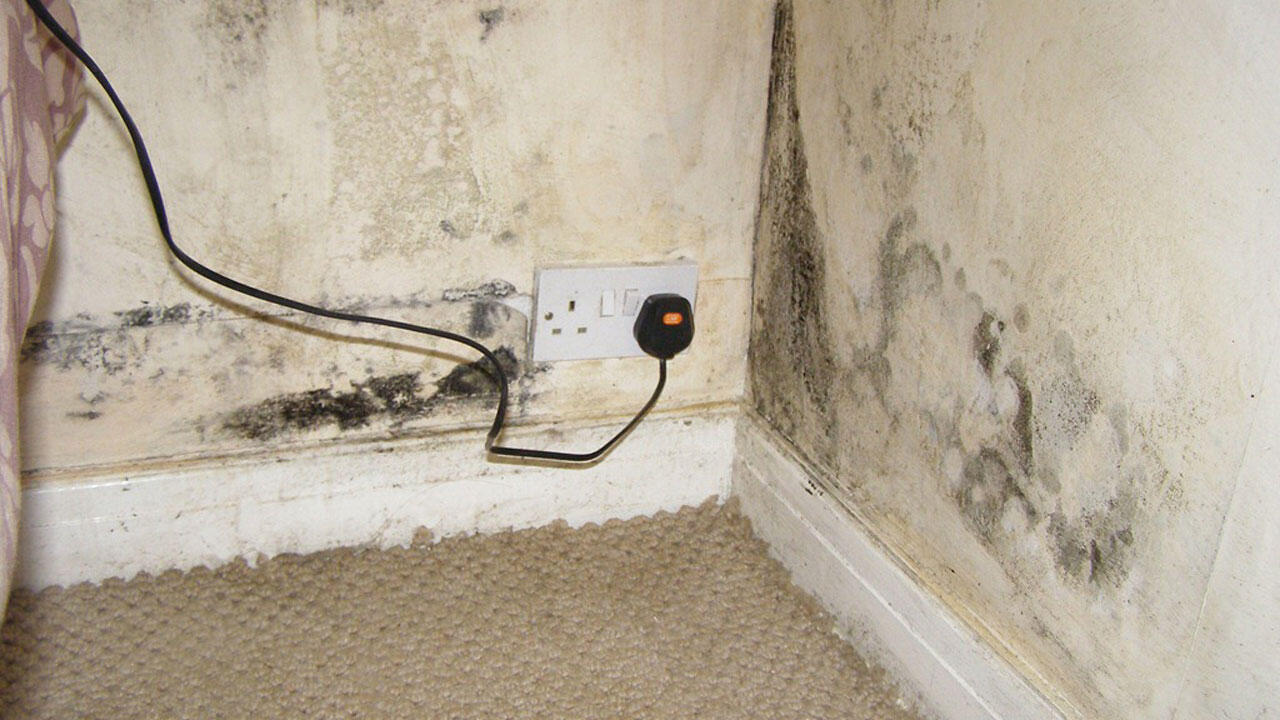
Black mould — principally Aspergillus niger and Cladosporium species — is a common problem in UK properties and is primarily caused by condensation. When warm, moist air contacts a cold surface (external wall, window reveal, ceiling corner), moisture is deposited; if this is repeated over weeks and months, the surface remains persistently damp and mould spores — which are always present in the air — establish and begin to grow. Black mould is not only unsightly: it produces allergens and, in enclosed spaces, mycotoxins that can cause or worsen respiratory conditions, particularly in children, the elderly, and those with pre-existing health conditions.
The critical point about black mould is that removal alone — without addressing the underlying cause — is not a solution. Mould that is cleaned off a cold, damp wall will return within weeks unless the conditions that allowed it to form are changed. Our approach always pairs mould removal with identification of the underlying moisture source and installation of an appropriate solution — whether improved ventilation, insulation, or damp proofing.
Signs to Look For in Your Cambridge Property
- →Black, grey, or green fuzzy patches on walls, ceilings, or window reveals
- →Mould concentrated in corners, behind furniture, or around cold bridges
- →Persistent musty smell in rooms even after cleaning
- →Condensation on windows in the morning — a clear indicator of high indoor humidity
- →Damp feeling on cold external walls, particularly in winter
- →Recurring respiratory issues or allergic reactions among occupants
Why Cambridge Properties Are Particularly Affected
Black mould is extremely common in Cambridge's student rental housing — particularly in the converted Victorian terraces of CB1, CB2, and CB3 where multiple occupants, limited ventilation, and airtight modern windows create ideal conditions for condensation and mould growth.
Cambridge sits on chalk and river gravels alongside the River Cam, with clay soils in the lower-lying areas around the southern edge of the city. The water table in central Cambridge and along the Cam corridor is relatively high, and the low-lying meadow areas around Midsummer Common and the Backs are notably damp. Properties near the river and in the Mill Road and Romsey areas are most susceptible.
How We Treat Black Mould Removal in Cambridge
Identify whether the mould is caused by condensation, penetrating damp, or rising damp — the treatment differs
Apply a professional biocidal mould wash to all affected surfaces to kill the mould and its spores
Remove any badly affected plaster, plasterboard, or other materials that cannot be effectively treated
Apply an anti-fungal surface treatment or specialist mould-resistant paint to create a treated surface
Address the underlying cause — install PIV ventilation, improve insulation, or carry out damp proofing works as appropriate
Areas Covered in Cambridgeshire
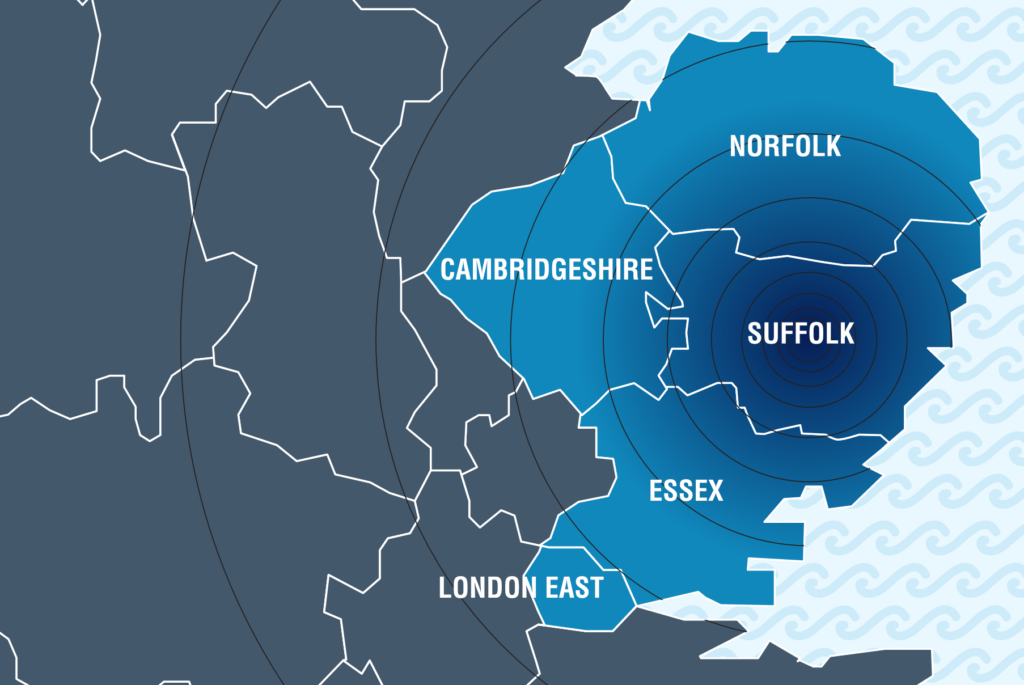
We provide black mould removal throughout Cambridge (CB1, CB2, CB3, CB4, CB5) and the surrounding areas including Trumpington, Cherry Hinton, Newnham, Chesterton, Histon, Impington, Girton, Barton, Grantchester.
Our local inspection team can usually attend within 48 hours. Call 01473 561 031 or use the form to book.
Common Questions About Black Mould Removal in Cambridge
Our Cambridge Guarantee
All our black mould removal work in Cambridge comes with a long-term written guarantee. Our guarantees are accepted by the majority of UK mortgage lenders and are transferable to new owners on sale of the property.
Related Services in Cambridge
Free Cambridge Inspection
Request an Inspection
Leave us your details and we'll be in touch