Thermal Plasterboard in Diss
Internal wall insulation to eliminate cold walls, reduce condensation, and lower heating costs in solid-walled properties.
Thermal Plasterboard in Diss
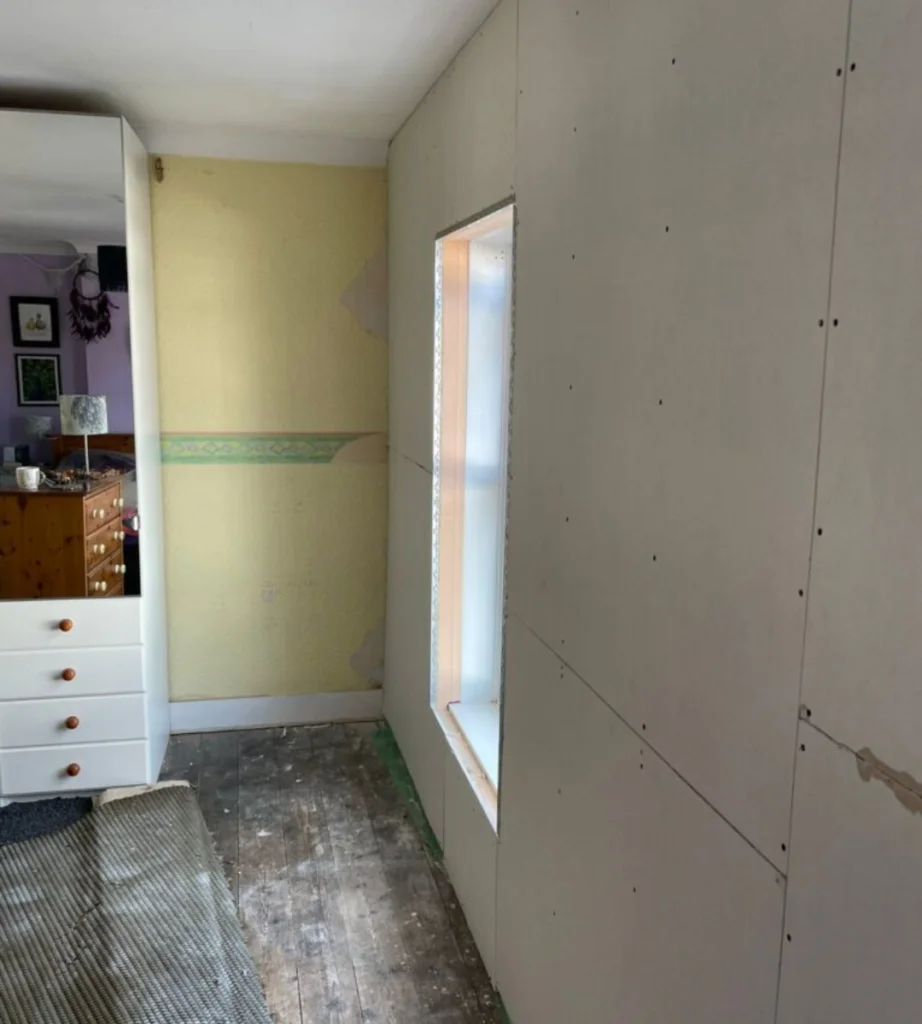
Thermal plasterboard — also known as insulated plasterboard or PIR-backed plasterboard — combines a layer of rigid polyisocyanurate (PIR) insulation with a standard gypsum plasterboard facing in a single factory-bonded panel. When fixed to a cold external wall, it dramatically raises the temperature of the internal wall surface, eliminating the cold bridge that causes condensation and mould. It is the most practical and cost-effective way to improve the thermal performance of solid external walls without external works, and is particularly valuable in properties where external wall insulation (EWI) is not practical or aesthetically appropriate.
For properties with solid walls — Victorian and Edwardian terraces, Edwardian semis, Georgian townhouses — thermal plasterboard on cold north and east-facing external walls provides an immediate improvement in comfort and a meaningful reduction in condensation and mould risk. The improvement in surface temperature also raises the dew point at which condensation would form, giving the wall much greater resilience to high indoor humidity.
Signs to Look For in Your Diss Property
- →Cold to the touch external walls in winter — a cold wall surface below the dew point of the room air will attract condensation
- →Black mould or condensation staining at ceiling-wall junctions and in the corners of external walls
- →Recurring mould that returns within weeks of cleaning despite improved ventilation
- →Ground floor or upper floor rooms that are difficult to heat despite adequate radiators
- →Energy bills that are high relative to the size and occupancy of the property
- →Solid wall construction — confirmed if walls are very thick (more than 300mm in an outer wall)
Why Diss Properties Are Particularly Affected
Thermal plasterboard provides an excellent solution for Diss area properties with cold solid walls. The improved internal surface temperature reduces condensation and mould growth, and the additional insulation value reduces heating costs.
Diss sits on the Norfolk-Suffolk border in the Waveney Valley, on moderately heavy clay soils. The Mere — the natural lake at the centre of the town — contributes to elevated local groundwater in the surrounding streets. Older properties near the water are particularly susceptible to high sub-floor moisture levels.
How We Treat Thermal Plasterboard in Diss
Identify the coldest, most problematic external walls using thermal imaging or surface temperature measurements
Prepare the wall surface — ensure it is sound, dry, and free of existing mould (biocidal pre-treatment if needed)
Fix thermal plasterboard panels to the wall using proprietary adhesive and mechanical fixings
Seal all joints and edges, particularly at floor and ceiling level, to prevent cold air from bypassing the insulation
Finish with a skim coat of finishing plaster and decorate as required
Areas Covered in Norfolk
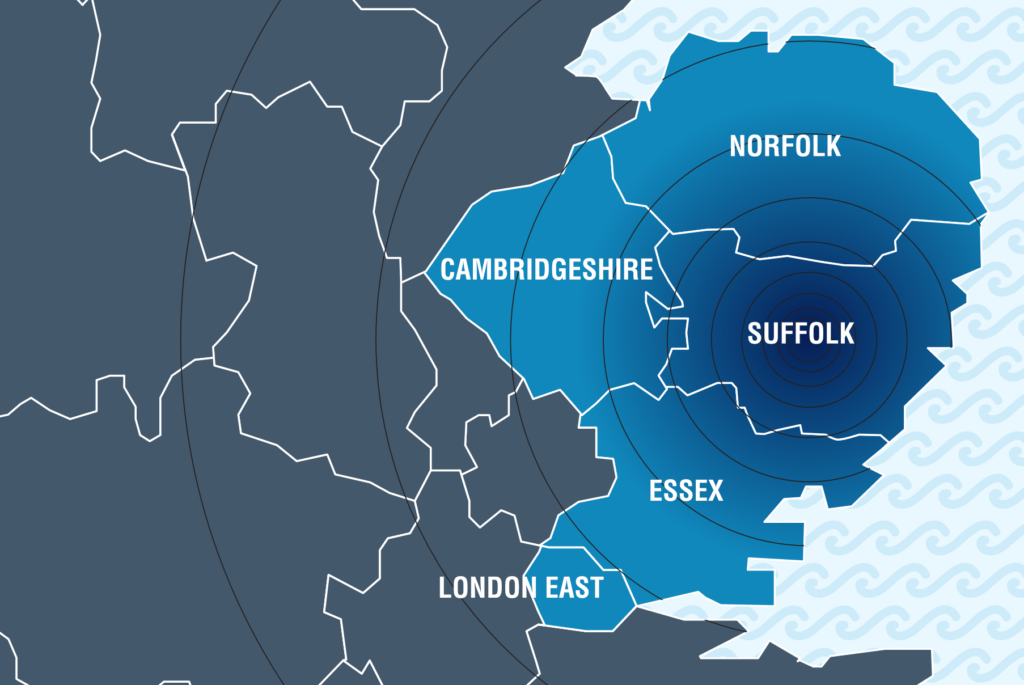
We provide thermal plasterboard throughout Diss (IP21, IP22) and the surrounding areas including Scole, Dickleburgh, Harleston, Eye, Bressingham, Burston, Wortham, Long Stratton.
Our local inspection team can usually attend within 48 hours. Call 01473 561 031 or use the form to book.
Common Questions About Thermal Plasterboard in Diss
Our Diss Guarantee
All our thermal plasterboard work in Diss comes with a long-term written guarantee. Our guarantees are accepted by the majority of UK mortgage lenders and are transferable to new owners on sale of the property.
Related Services in Diss
Free Diss Inspection
Request an Inspection
Leave us your details and we'll be in touch