Suspended Floor Insulation in Norwich
Eliminating draughts and reducing heat loss through suspended timber ground floors in older properties.
Suspended Floor Insulation in Norwich
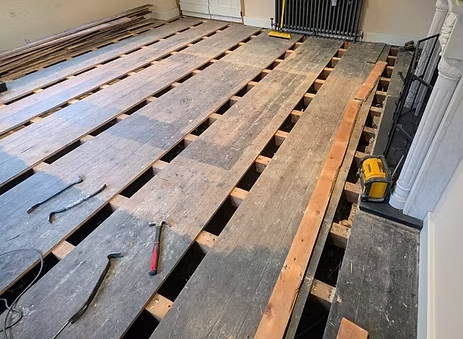
Suspended timber ground floors — where the floorboards are fixed to joists that span the space above a sub-floor void — are extremely common in Victorian, Edwardian, and inter-war properties across East Anglia. These floors typically have no insulation between the joists, which allows cold air from the ventilated sub-floor void to circulate freely beneath the floor surface. The result is cold, draughty ground floors that are uncomfortable in winter and a significant source of heat loss — typically accounting for 10–15% of total heat loss in a property.
Insulating between the floor joists — accessible either by lifting floorboards or, in some cases, from below through the sub-floor access — fills this void with mineral wool or rigid insulation that dramatically reduces heat loss and eliminates the cold air circulation. The improvement in comfort is immediate and very noticeable: floors feel warmer underfoot, draughts disappear, and the ground floor rooms are easier and cheaper to heat.
Signs to Look For in Your Norwich Property
- →Cold floors underfoot in winter, particularly in the kitchen and living room
- →Noticeable draughts at floor level — often strongest around the edges of the room
- →Energy bills higher than expected, particularly for ground-floor heating
- →Sub-floor void visible through gaps between floorboards or at skirting board level
- →Air bricks on the external wall indicating a ventilated sub-floor void
- →Sub-floor timber showing signs of damp — indicating the void needs attention before insulation
Why Norwich Properties Are Particularly Affected
The suspended timber ground floors throughout NR2, NR3, and the surrounding streets lose significant heat through the uninsulated void beneath them. Installing mineral wool between the joists reduces heat loss, improves floor surface temperatures, and can reduce draught-related condensation on lower walls.
Norwich is built on a mix of chalk, clay, and river alluvium. The low-lying areas along the River Wensum — including Carrow, Thorpe, and the city centre — have elevated water tables. The Golden Triangle sits on heavier clay soils that retain moisture effectively, keeping groundwater levels high throughout the year.
How We Treat Suspended Floor Insulation in Norwich
Inspect the sub-floor void through an access hatch or by lifting boards to assess timber condition, ventilation, and insulation requirements
Check for any signs of woodworm, wet rot, or inadequate ventilation that should be addressed before insulation
Install mineral wool or rigid insulation between the floor joists, using netting or clips to hold it in position beneath the floorboard level
Maintain a free air gap above the insulation to ensure air can still circulate through the sub-floor void — essential for timber health
Relay or replace lifted floorboards and check that all air bricks remain unblocked
Areas Covered in Norfolk
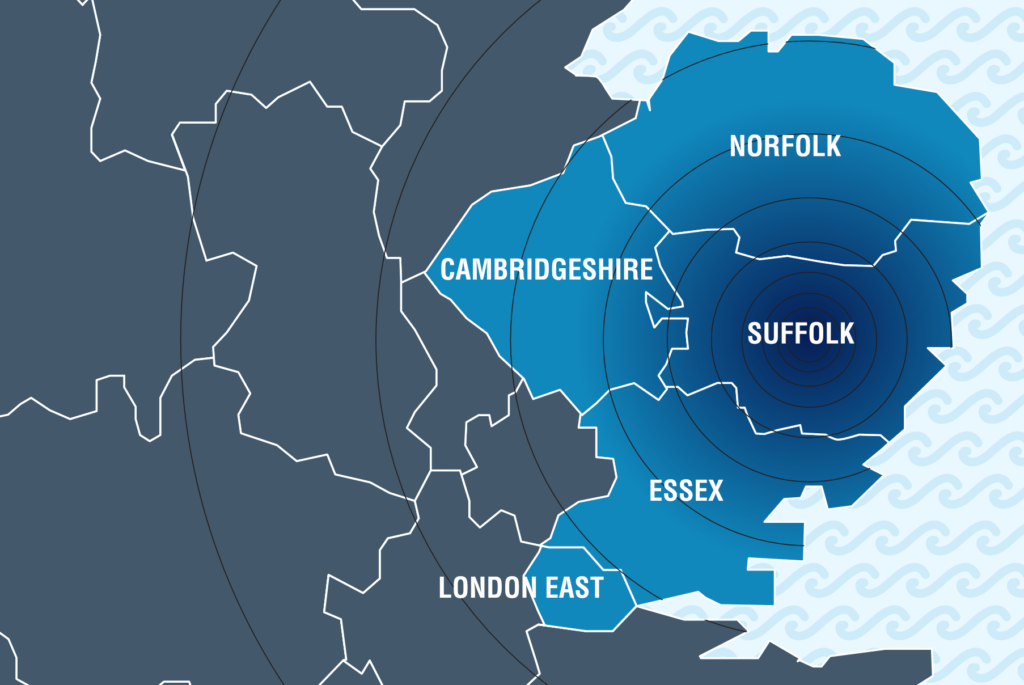
We provide suspended floor insulation throughout Norwich (NR1, NR2, NR3, NR4, NR5, NR6, NR7) and the surrounding areas including Thorpe St Andrew, Sprowston, Eaton, Hellesdon, Costessey, Drayton, Wymondham.
Our local inspection team can usually attend within 48 hours. Call 01473 561 031 or use the form to book.
Common Questions About Suspended Floor Insulation in Norwich
Our Norwich Guarantee
All our suspended floor insulation work in Norwich comes with a long-term written guarantee. Our guarantees are accepted by the majority of UK mortgage lenders and are transferable to new owners on sale of the property.
Related Services in Norwich
Free Norwich Inspection
Request an Inspection
Leave us your details and we'll be in touch