
Damp is one of the most common — and most misdiagnosed — problems in UK homes. Getting the diagnosis wrong doesn't just waste money on ineffective treatment; it can mean the real cause is left to worsen behind the scenes. Rising damp, condensation and penetrating damp look similar on the surface, but they have entirely different causes, entirely different locations, and entirely different solutions.
This guide explains how each type of damp presents, what causes it, and the key questions you can ask to tell them apart — before you spend a penny on treatment.
Rising Damp
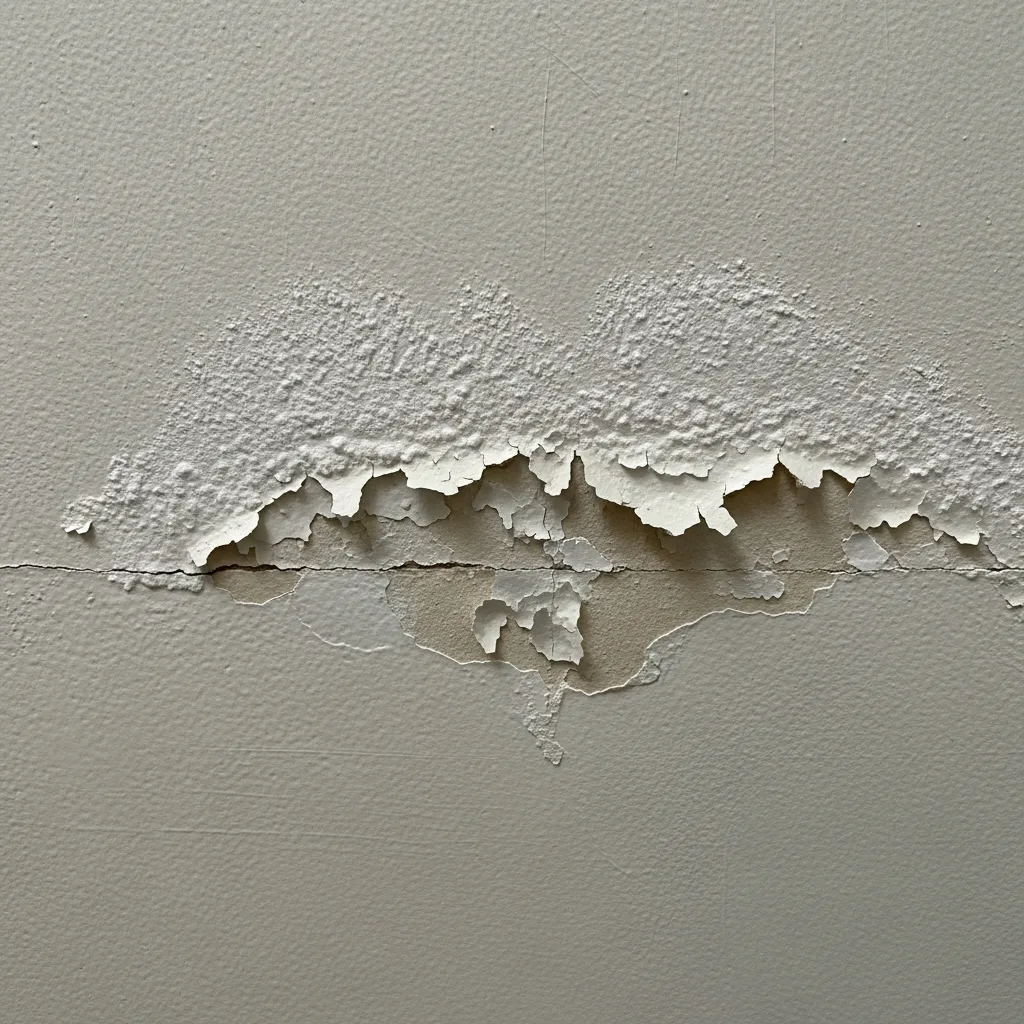
What is it?
Rising damp occurs when groundwater is drawn upwards through porous masonry by capillary action. It happens when the damp proof course (DPC) — the horizontal barrier built into walls to stop moisture rising — is absent, damaged, or has been bridged by a raised external ground level or an internal floor screed.
The signs
- A distinct horizontal tide mark on the wall — typically between 0.5 and 1.2 metres from floor level
- White crystalline deposits (efflorescence) on plaster or brickwork — caused by salts carried up from the ground
- Peeling paint, blistering wallpaper and crumbling plaster at low level
- Rotting skirting boards and floor timbers at the base of affected walls
- A musty, earthy smell that persists regardless of ventilation
- The damp is present at a consistent height and does not extend above it
- The problem does not change significantly between summer and winter
Where does it appear?
Exclusively at ground floor level, on walls that are in contact with the ground. It will not appear on upper floors, on internal partition walls (unless they rest directly on a solid ground floor), or on ceilings.
Who is at risk?
Primarily older properties — Victorian and Edwardian terraces, pre-war semis, period cottages and farmhouses — where the original DPC has broken down, was never installed, or has been bridged by modern alterations such as raised paths, patios or render that contacts the brickwork above DPC level.
Important: Rising damp is one of the most over-diagnosed conditions in the property industry. Many properties diagnosed with rising damp actually have condensation or penetrating damp. An accurate, independent inspection using calibrated moisture measurement equipment is essential before any treatment is carried out.
The fix
Professional treatment involves injecting a silane/siloxane damp proofing cream into the mortar bed to create a new chemical DPC. Critically, the old salt-contaminated plaster must then be removed and replaced with a specialist salt-retardant render system. Without replastering correctly, even a perfectly executed injection treatment will appear to fail, because the old plaster continues to attract moisture from the air.
Condensation
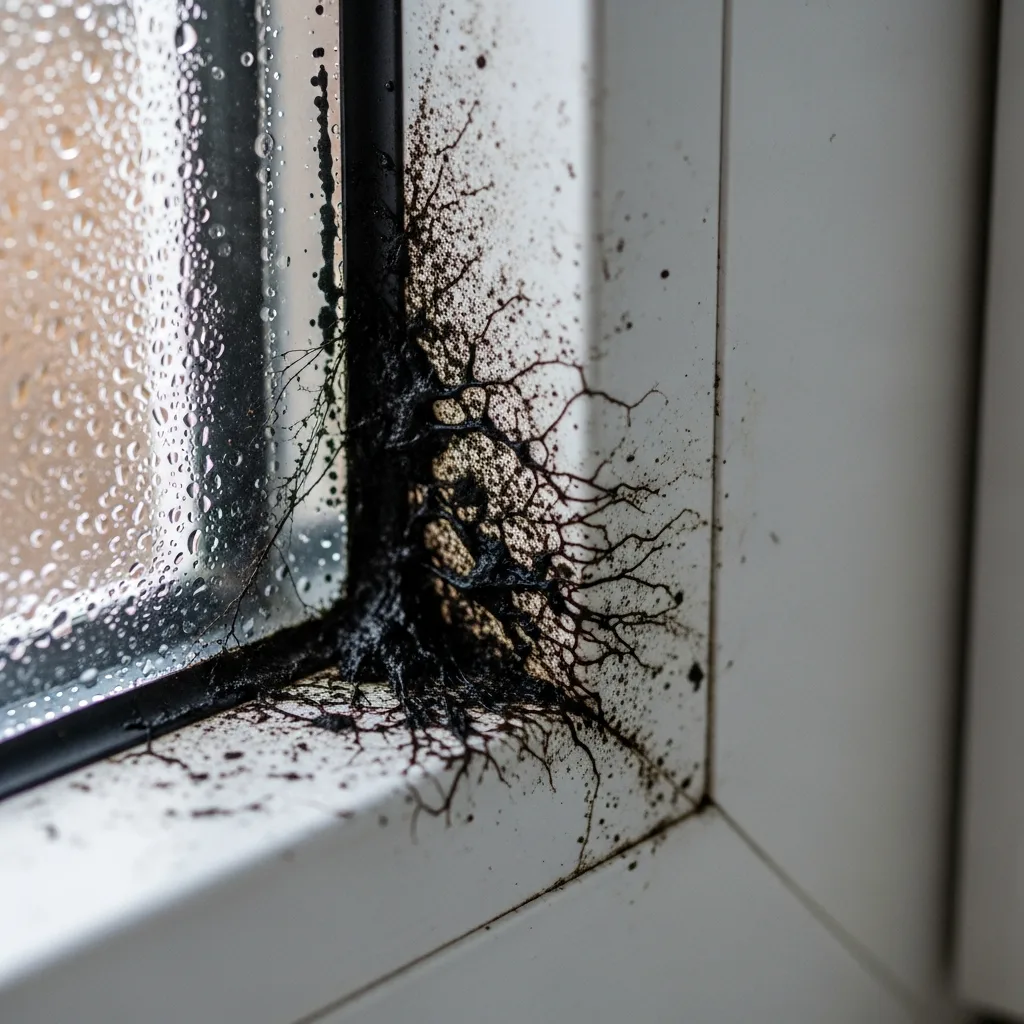
What is it?
Condensation is by far the most common form of damp in UK homes. It occurs when warm, moist air meets a cold surface and the moisture in the air turns to liquid water. Modern living habits — cooking, bathing, drying clothes indoors, and keeping windows closed — generate significant amounts of water vapour that has to go somewhere. Without adequate ventilation, it condenses on cold surfaces.
The signs
- Water droplets or streaming on windows and glass — especially in the morning
- Black mould growth on walls, ceilings, window reveals and in corners
- Mould appears on or near cold surfaces — external walls, north-facing rooms, behind furniture
- Musty smell in bathrooms, kitchens and bedrooms
- Worse in autumn and winter, improving in summer when windows are open
- Damp patches appear high on walls or on ceilings as well as at low level
- No tide mark, no salt deposits on the surface
Where does it appear?
Condensation can appear anywhere in the home — ground floor, upper floors, loft spaces, and basements alike. It is particularly common in rooms with high moisture output (bathrooms, kitchens), north-facing rooms, and areas with poor air circulation such as behind wardrobes and furniture pushed against external walls.
Who is at risk?
All property types are at risk, but condensation is especially prevalent in well-insulated, draught-proofed modern homes where ventilation has not kept pace with the improvements in airtightness. It is also very common in rented properties and flats where occupants have little control over heating or ventilation systems.
Health risk: Black mould produced by persistent condensation releases spores into the air. Prolonged exposure can cause respiratory problems, allergic reactions and asthma attacks, particularly in children and the elderly. This is the damp type at the heart of Awaab's Law legislation.
The fix
Condensation is tackled by reducing moisture in the air and improving ventilation. Solutions range from extract fans and positive input ventilation (PIV) units that introduce fresh filtered air throughout the property, to improving insulation on cold surfaces to raise their temperature above the dew point. In severe cases, a whole-house mechanical ventilation with heat recovery (MVHR) system may be appropriate. Injecting a chemical DPC will do absolutely nothing to solve condensation.
Penetrating Damp
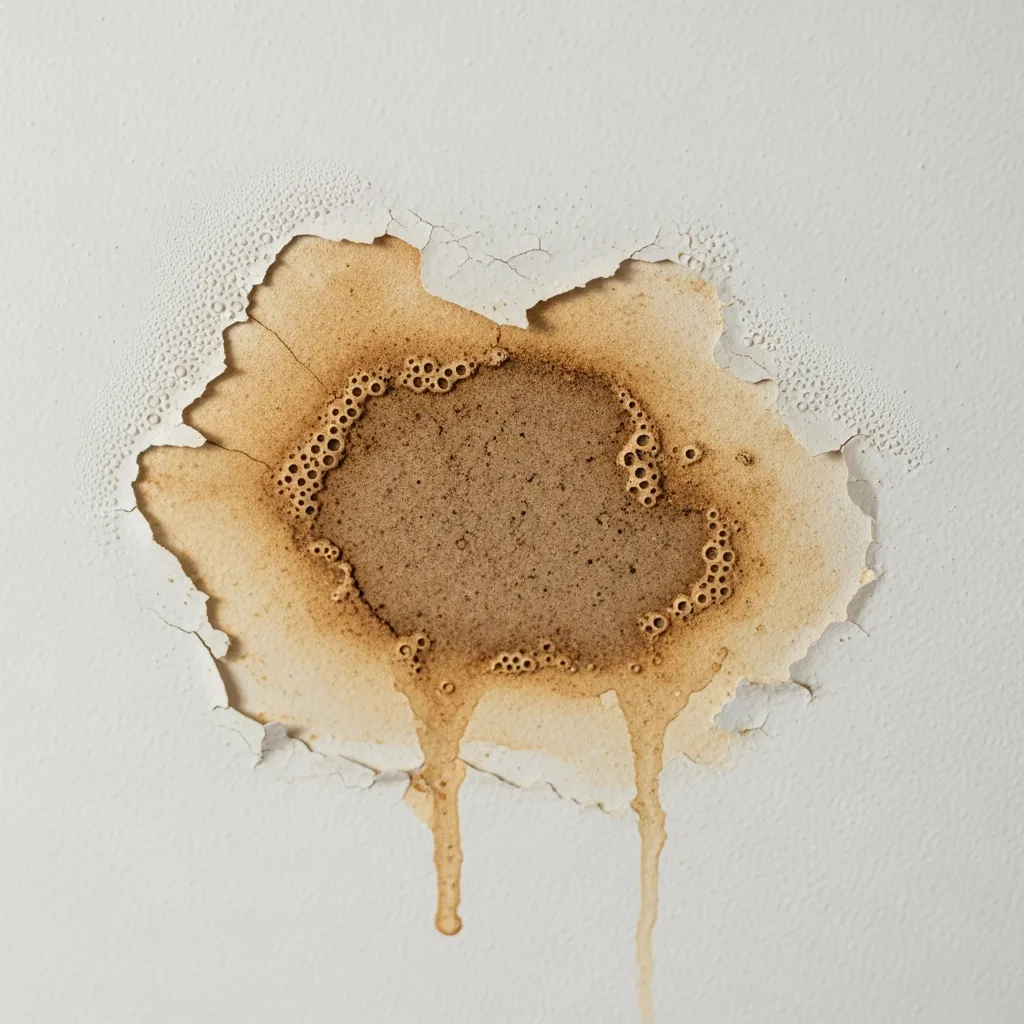
What is it?
Penetrating damp occurs when water enters a building horizontally or from above — through the external fabric of the building — rather than rising from the ground. It can come through cracks in render, failed pointing, defective windows or doors, damaged roofing, blocked or leaking gutters, or through solid walls that have lost their natural ability to repel water.
The signs
- Damp patches that appear after heavy or wind-driven rain — and dry out in dry weather
- Water staining or tide marks that do not follow a horizontal pattern — can appear at any height
- Damp patches on ceilings below flat roofs, parapet walls, or valley gutters
- Localised wet patches on chimney breast walls, particularly after rain
- Damp appearing on a specific wall — often the side of the property most exposed to prevailing wind and rain
- No efflorescence (salt deposits) — a key distinction from rising damp
- Damp may appear around window or door frames where seals have failed
Where does it appear?
Penetrating damp can appear anywhere on any floor — it is governed entirely by the location of the defect allowing water entry. A leaking roof will cause damp on a top-floor ceiling. A cracked chimney stack will cause damp on the chimney breast, often at first-floor level. Defective render will cause damp on the corresponding section of internal wall.
Who is at risk?
Any property with aging or deteriorating external fabric is at risk. This includes properties with pebbledash or sand-cement render that has cracked or lost adhesion, older solid-wall properties in exposed locations, properties with flat roofs, older pointing that has eroded, and any building with poorly maintained guttering and downpipes.
The fix
The solution to penetrating damp is always to find and fix the source of water entry. This might mean repointing, repairing or replacing render, fixing roofing defects, clearing and repairing gutters, resealing windows, or applying a breathable external wall coating to restore water repellency to solid masonry. Internal treatments alone will not solve penetrating damp — the external defect must be addressed first.
Quick Comparison: Key Differences at a Glance
| Feature | Rising Damp | Condensation | Penetrating Damp |
|---|---|---|---|
| Source | Ground moisture rising | Moisture in indoor air | External water ingress |
| Direction | Upwards | Surface deposit | Horizontal or downward |
| Location | Ground floor only | Any floor, any room | Any floor — follows defect |
| Seasonal | Constant year-round | Worse in winter | Worse during/after rain |
| Tide mark | Yes — distinct horizontal line | No | Possible but irregular |
| Salt deposits | Yes — white efflorescence | No | No |
| Mould type | Mould at low level | Black mould on cold surfaces | Mould where wet patch forms |
| Fix | DPC injection + replastering | Ventilation improvement | Repair external defect |
Ask These Five Questions First
Before calling anyone in, work through these questions. The answers will point you strongly towards the likely cause.
1. Where exactly is the damp — what floor, what height on the wall?
Damp only at ground floor level and only on walls in contact with the ground points to rising damp. Damp on upper floors, ceilings or internal partitions rules rising damp out almost entirely.
2. Does the damp get worse after rain?
If the damp appears or worsens after heavy or wind-driven rain and improves during dry spells, penetrating damp is the most likely explanation. Rising damp and condensation do not behave this way.
3. Does it change with the seasons?
Condensation is almost always worse in autumn and winter and improves in summer. Rising damp remains largely constant. Penetrating damp follows the rainfall pattern rather than the temperature pattern.
4. Are there white salt deposits (efflorescence) on the wall?
White crystalline deposits are a strong indicator of rising damp. The salts are carried up from the ground in the moisture and deposited as the water evaporates. Condensation and penetrating damp do not typically produce efflorescence.
5. Is there a clear horizontal tide mark?
A consistent tide mark — a horizontal stain at a fixed height on the wall — is the classic calling card of rising damp. Random or irregular staining is more consistent with penetrating damp. No tide mark at all, but surface mould, points to condensation.
Why Getting the Diagnosis Right Matters So Much
Misdiagnosis of damp is extremely common in the UK — and it costs homeowners significant sums of money. The treatments for each type of damp are completely different:
- Injecting a DPC into a wall with condensation problems will not reduce humidity in the air — the mould will return within months
- Improving ventilation will not fix a wall being soaked by a broken gutter — the external defect must be repaired
- Applying an external waterproof coating to a wall with genuine rising damp can trap moisture and cause additional damage
- Treating mould without identifying whether it is condensation or penetrating damp is treating a symptom, not the cause
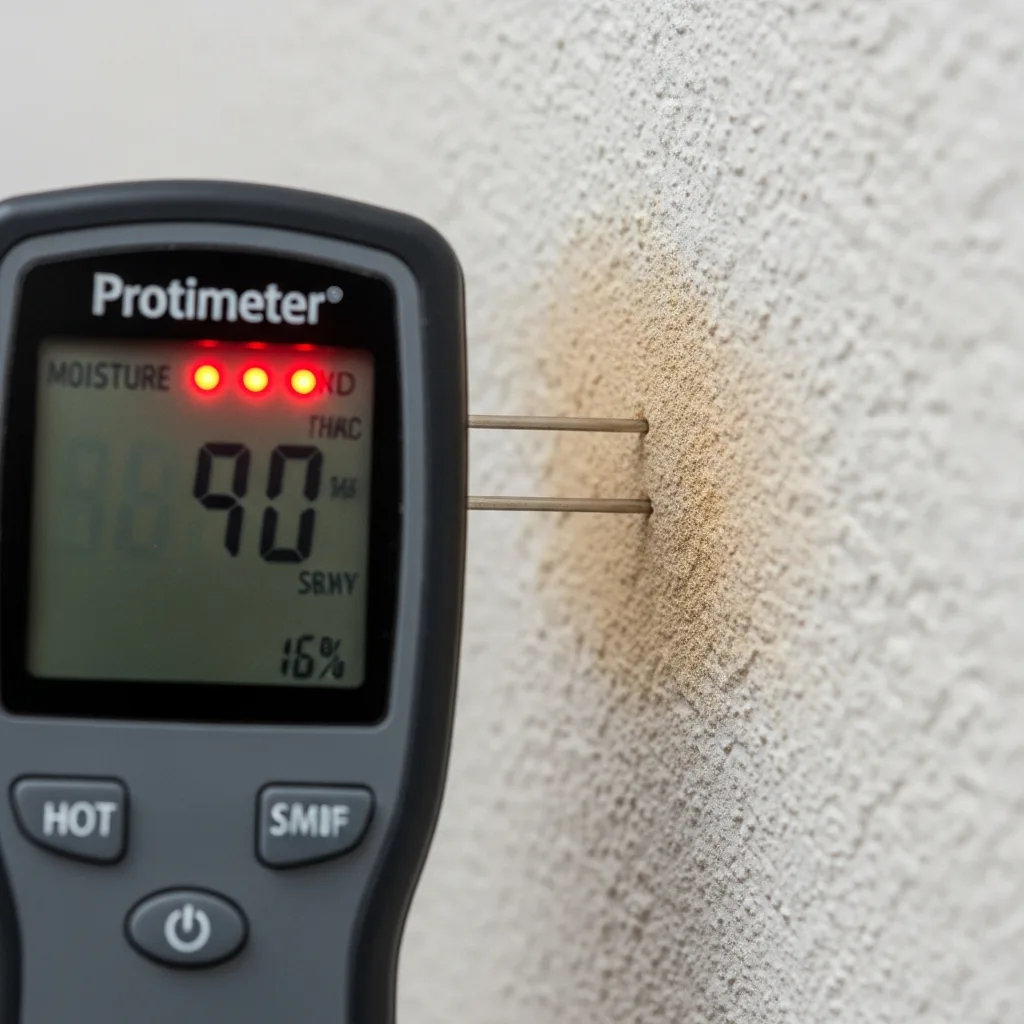
At KDS Property Preservation, we carry out a thorough, independent inspection before recommending any treatment. We use calibrated moisture measurement equipment to test wall moisture profiles at different depths, and we look at the full picture — construction type, age of the property, external condition, ventilation, and heating — before reaching a conclusion.
We never recommend work that does not need doing. If your damp problem is condensation, we will tell you — and help you solve it with the appropriate ventilation solution, rather than selling you an unnecessary injection treatment.