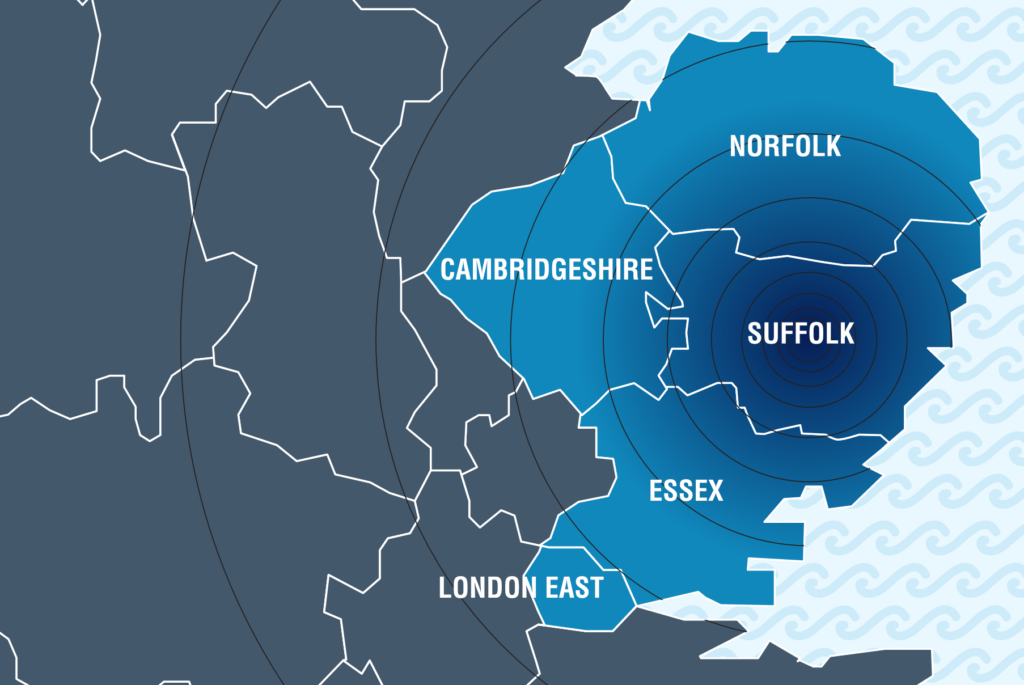
Timber rot in suspended ground floors is one of the most common — and most damaging — structural problems we encounter in properties across Suffolk, Norfolk, and Essex. Many homeowners only discover the issue when a floor starts to feel springy, bouncy, or visibly uneven. By that point, significant decay has usually already taken hold beneath the surface. Understanding how rot starts in the first place is the key to preventing it.
What Is a Suspended Timber Floor?
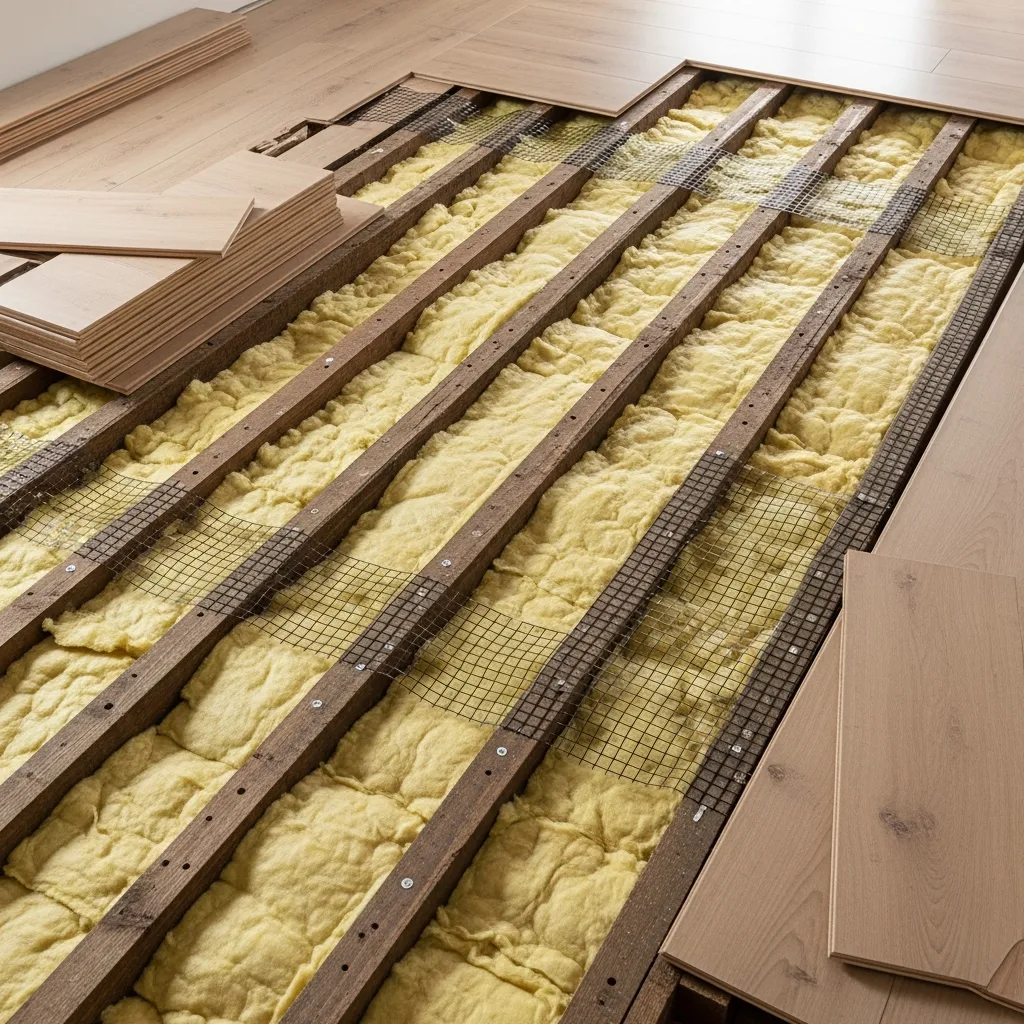
A suspended timber floor is the most common type of ground-floor construction found in UK properties built before the 1950s. Rather than sitting on a solid concrete slab, the floor is made up of timber floorboards laid across a series of parallel timber joists. These joists are typically supported at each end by the external walls, and sometimes in the middle by a sleeper wall (a low internal supporting wall built up from the oversite).
Beneath the joists, there is an open void — essentially an air gap between the underside of the floor and the earth below. This space is known as the sub-floor void, and it is critical to the health of the timber above. The void is supposed to be ventilated by air bricks — small perforated bricks set into the external wall at ground level — which allow air to flow freely beneath the floor, keeping the timber dry.
When this system works correctly, the floor remains dry, strong, and long-lasting. Many suspended timber floors have performed perfectly well for over a hundred years. Problems begin when the conditions beneath the floor change — and that is where rot takes hold.
How Rot Develops: The Chain of Events
Timber rot is caused by fungal organisms — living things that feed on the cellulose and lignin within the wood. But fungi cannot grow in dry timber. They need moisture. Specifically, timber needs to reach a moisture content of around 20% or higher before fungal decay can begin. Below that threshold, the fungi simply cannot establish themselves.
This means that rot in a suspended floor is always a moisture problem first and a timber problem second. Something is introducing excess moisture into the sub-floor environment, raising the moisture content of the joists above the critical threshold, and creating the conditions in which fungi can thrive.
The chain of events typically looks like this:
Ventilation is reduced or blocked
Air bricks become obstructed by soil, debris, garden decking, raised paving, or extensions built over them. Without adequate airflow, moisture begins to accumulate in the sub-floor void.
Moisture levels rise
Ground moisture evaporates into the still, unventilated air beneath the floor. Humidity in the void increases steadily. In some cases, plumbing leaks, rising damp through sleeper walls, or external drainage problems add further moisture.
Timber absorbs the moisture
The joists, floorboards, and any other timber elements in the void absorb moisture from the surrounding air. Over weeks and months, the timber moisture content rises above 20%.
Fungal spores germinate
Fungal spores — which are present everywhere in the natural environment — land on the damp timber and begin to germinate. The fungus sends fine thread-like structures (hyphae) into the wood, breaking down its internal structure.
Active decay takes hold
The timber begins to lose structural strength. Depending on the type of fungus, this manifests as wet rot (localised softening and darkening) or dry rot (deep cracking, cuboidal fractures, and rapid spread).
The Most Common Causes
In our experience working across East Anglia, the same handful of problems cause the vast majority of timber rot in suspended floors:
Blocked or insufficient air bricks
This is by far the most common cause. Over time, soil levels rise, garden borders are built up, or render is applied over the air bricks during external works. Even partial blockage can dramatically reduce airflow and allow moisture to accumulate.
External ground levels raised above floor level
Patios, driveways, and garden paths are often laid at a level that bridges the air bricks or sits above the damp proof course. This traps moisture against the base of the walls and pushes it into the sub-floor void.
Leaking pipework beneath the floor
Slow plumbing leaks from pipes running through the sub-floor void are a common but often invisible source of moisture. Even a small drip over months will saturate the surrounding timber.
Rising damp through sleeper walls
The low internal walls that support floor joists at mid-span are in direct contact with the ground. Without a DPC, moisture rises through these walls and is absorbed directly into the joists sitting on top of them.
Poor drainage around the property
Defective guttering, downpipes discharging against the base of the wall, or inadequate land drainage can all increase ground moisture levels around the foundations, saturating the sub-floor void.
Extensions or conservatories built over air bricks
When an extension or conservatory is added to a property, the air bricks on that elevation are often sealed or buried. This cuts off ventilation to the original sub-floor void.
Wet Rot vs Dry Rot in Floor Timbers
Not all timber rot is the same. The two main types — wet rot and dry rot — behave very differently and require different approaches to treatment.
Wet Rot
Wet rot (most commonly caused by Coniophora puteana, the "cellar fungus") is the type we encounter most frequently in suspended floors. It requires a consistently high moisture content (typically above 30%) and tends to remain localised to the area of dampness. Affected timber becomes soft, dark, and spongy. It loses its structural strength but the decay generally does not spread far beyond the wet zone.
- Localised to wet area
- Timber turns dark and soft
- Stops when moisture source is removed
Dry Rot
Dry rot (Serpula lacrymans) is far more destructive. It can grow at lower moisture levels (around 20–25%) and, crucially, it can spread through masonry, behind plaster, and across non-timber surfaces to reach new timber food sources. Affected timber develops deep cuboidal cracking and crumbles to dust. Left unchecked, dry rot can spread rapidly through a building.
- Can spread through masonry
- Deep cuboidal cracking
- Requires specialist treatment
Whether the rot is wet or dry, the principle remains the same: the moisture source must be identified and eliminated first, then the decayed timber can be cut out and replaced. If the moisture problem is not resolved, new timber will simply rot in the same way. For more detail, see our article on dry rot vs wet rot.
Warning Signs Your Floor May Have Rot
Timber rot in suspended floors often goes unnoticed for years because the damage is hidden beneath the floorboards. However, there are several signs that indicate a problem may be developing:
Signs to Watch For
- A floor that feels springy, bouncy, or soft underfoot — particularly near external walls or around radiator pipes
- Visible dipping, sagging, or unevenness in the floor surface
- A persistent damp or musty smell at ground-floor level, especially noticeable on warm days
- Woodworm exit holes (small round holes about 1–2mm in diameter) in floorboards or skirting boards — woodworm often attacks damp timber first
- Blocked, buried, or missing air bricks around the base of the external walls
- Skirting boards that feel soft or crumble when pressed
- Fungal fruiting bodies (mushroom-like growths) appearing in the room — a definitive sign of advanced rot
If you notice any of these signs, it is important to act quickly. The longer rot is left untreated, the more timber needs to be replaced, and the more expensive the repair becomes. What might start as a single affected joist can spread to neighbouring joists, floorboards, and — in the case of dry rot — into the wall structure itself.
How We Treat Timber Rot in Suspended Floors
At KDS Property Preservation, we take a methodical approach to treating timber rot in suspended floors. Every job follows the same proven process:
Inspect and diagnose
We carry out a thorough inspection of the sub-floor void, checking moisture levels in the timber, identifying the type and extent of the decay, and — critically — tracing the moisture source that caused the problem in the first place.
Eliminate the moisture source
Before any timber work begins, we resolve the underlying moisture problem. This might involve clearing and reinstating air bricks, lowering external ground levels, repairing drainage, treating rising damp in sleeper walls, or fixing plumbing leaks.
Remove decayed timber
All structurally compromised timber is cut out and removed. We cut back to sound, unaffected wood — typically at least 300mm beyond the visible decay — to ensure no hidden rot remains.
Treat remaining timber
All remaining timber in the affected area is treated with a professional-grade fungicidal preservative. This kills any residual fungal growth and protects the timber from future attack.
Replace with pre-treated timber
New pre-treated timber joists and floorboards are installed to match the original specification. All replacement timber is pressure-treated to resist future rot and insect attack.
Improve ventilation
Where necessary, we install additional air bricks, fit telescopic air vents through extensions, or install mechanical sub-floor ventilation fans to ensure adequate airflow is maintained long-term.
Preventing Rot in the First Place
Prevention is always better — and cheaper — than cure. If your property has a suspended timber floor, there are several straightforward steps you can take to protect it:
What to Do if You Suspect Rot
If your ground floor feels bouncy, you can smell damp, or you have noticed any of the warning signs described above, the best course of action is to arrange a professional inspection. Timber rot does not improve on its own — it only gets worse. The earlier the problem is identified, the less timber needs replacing and the lower the repair cost.
KDS Property Preservation offers free, no-obligation inspections for timber rot, damp, and related issues across Suffolk, Norfolk, and Essex. We will assess the sub-floor void, identify the cause and extent of any decay, and provide you with a clear, honest explanation and a fixed-price quotation for the necessary works.
Worried About Your Suspended Floor?
Book a free inspection with KDS Property Preservation. We cover Ipswich, Norwich, Colchester, Bury St Edmunds, and all surrounding areas across Suffolk, Norfolk, and Essex.