If you love the look of your brickwork but want it to stop letting water in, a clear waterproof membrane is one of the smartest investments you can make in your property. It protects your walls completely — stopping penetrating damp, frost damage, and biological growth in their tracks — without altering the appearance of the brick at all. Your home looks exactly the same. It just stops getting wet.
Across Suffolk, Norfolk, and Essex, many properties have exposed brick walls that have been absorbing rainwater for decades. The result is penetrating damp on internal walls, crumbling mortar, moss-covered elevations, and energy bills that are higher than they need to be. A professionally applied clear masonry membrane deals with all of this in a single treatment — and it lasts for many years without needing reapplication.
What Is a Clear Waterproof Membrane?
A clear waterproof membrane for brickwork is a silicone- or silane-based water-repellent treatment that is applied to the external surface of masonry. Unlike coloured wall coatings, it is completely transparent once cured — meaning you cannot see it has been applied. The brickwork retains its exact colour, texture, and character, but the masonry becomes highly water-repellent.
These products work by penetrating deep into the pores of the brick and mortar — typically 10 to 15mm — and chemically bonding within the substrate. Rather than forming a film on the surface that can peel or crack, the active ingredient becomes part of the masonry itself. Water hitting the treated surface forms droplets and runs off rather than being absorbed. The technical term for this effect is hydrophobic impregnation.
The key distinction from surface sealers and waterproof paints is breathability. A good clear masonry membrane is permeable to water vapour, meaning moisture trapped inside the wall can still escape outward — the wall can breathe. This is critical for older properties built from traditional lime mortar and soft brick, where trapping moisture can cause far more damage than the moisture itself.
Key fact
An untreated brick wall can absorb up to 450 litres of water per square metre per year. A professionally applied clear membrane reduces water absorption by up to 95%.
The Benefits of Protecting Your Brickwork
Completely Invisible Finish
The treatment penetrates below the surface and cures clear. Your brickwork looks identical to before — no sheen, no colour change, no film on the surface.
Stops Penetrating Damp
Water can no longer soak through the wall face, eliminating the root cause of damp patches on interior walls, damp plaster, and water staining.
Prevents Frost Damage
When absorbed water freezes it expands and causes bricks to crack and spall. A treated wall holds no water, so frost damage is eliminated entirely.
Inhibits Moss & Algae
Biological growth needs moisture to establish. By keeping the wall surface dry, the membrane prevents the green and black growth that makes brickwork look neglected.
Reduces Heat Loss
Wet masonry conducts heat away from your home far more rapidly than dry masonry. Keeping walls dry can noticeably reduce heat loss and lower energy bills.
Protects Mortar Joints
Mortar is more porous than the brick face and often the first point of water entry. The treatment seals mortar joints and significantly extends their service life.
Is It Right for Your Property?
Clear masonry membranes are ideal for any property where exposed brickwork is a feature that you want to preserve. They are particularly well-suited to:
Victorian and Edwardian terraces
The stock brick so common in Ipswich, Bury St Edmunds, Norwich, and across the region is highly porous and absorbs large volumes of rainwater. Treatment makes an enormous difference to penetrating damp problems in these properties.
Properties in conservation areas
Planning restrictions often prevent coloured coatings or render in conservation areas. A clear membrane is invisible, so it does not alter the character of the area and generally does not require planning consent.
Listed buildings
Listed building consent requirements make most visible changes to external materials difficult to obtain. An invisible, reversible, breathable membrane treatment is often approved where coloured coatings would not be.
North and east-facing walls
Walls that rarely get direct sunlight stay damp for longer and are particularly prone to algae, moss, and penetrating damp. These elevations benefit most from treatment.
Coastal and exposed properties
Properties along the Suffolk and Norfolk coasts face high salt-laden wind and driving rain. Clear membranes provide essential protection against the accelerated weathering common in exposed coastal locations.
What Problems Does It Solve?
The most common reason homeowners contact us about clear masonry protection is persistent damp on interior walls — damp patches that appear after heavy rain and take weeks to dry out. In solid-wall properties without a cavity, the wall face is the only barrier between the weather outside and the plaster inside. When that brickwork is porous and saturated, water reaches the interior relatively easily.
By treating the outer face of the wall, we remove the water from the equation. No water enters, no water migrates through, and the interior stays dry. This is particularly effective when the damp is confirmed to be penetrating damp rather than rising damp — the two are often confused, but they have completely different causes and require different treatments. Our free inspection will confirm which type you are dealing with before any work is recommended.
Damp patches on internal walls after rain
Classic penetrating damp. Water absorbs through the outer face and migrates to the inner surface. A clear membrane eliminates the source.
Efflorescence (white salt deposits on the brick face)
White crystalline deposits on the exterior are caused by water carrying dissolved salts to the surface as it dries. Treating the wall prevents water absorption and stops new efflorescence forming.
Spalling bricks
Where the face of the brick is cracking and crumbling, frost action on absorbed water is almost always to blame. If the brick can be consolidated, treatment will prevent further damage.
Green or black staining
Algae, lichen, and moss thrive on persistently damp masonry. After cleaning and treating, regrowth is dramatically reduced.
High heating bills despite wall insulation
Wet walls lose heat rapidly. Drying out the wall structure — and keeping it dry — is sometimes the missing piece in an energy efficiency improvement plan.
How Is It Applied?
Professional application is straightforward but requires careful preparation to work properly. Here is how we approach a typical brickwork membrane treatment:
Inspection and diagnosis
We begin by confirming the cause of any existing damp and assessing the condition of the brickwork, mortar joints, and pointing. Defective pointing or cracked mortar must be repaired before treatment — otherwise water finds its way in through these gaps regardless of what is applied to the brick face.
Cleaning
The wall surface is thoroughly cleaned using pressure washing, biocide treatment, or specialist masonry cleaners, depending on what is present. Algae, moss, salts, and atmospheric deposits are removed to give the membrane a clean substrate to penetrate.
Repointing where needed
Any deteriorated mortar joints are raked out and repointed with an appropriate mortar mix. In older buildings, lime mortar is often used to match the original construction and maintain breathability.
Application of the membrane
The clear membrane is applied generously using a brush, roller, or low-pressure spray — depending on the product and wall profile. We apply a wet-on-wet technique to ensure deep penetration. The cream or liquid soaks into the masonry and cures to become chemically bonded within the pores.
Curing and inspection
The treatment is given time to cure fully — typically 24 to 48 hours, depending on temperature and the product used. We inspect the finished surface to confirm even coverage before leaving the site.
How Long Does It Last?
A professionally applied clear masonry membrane will typically remain effective for 10 to 25 years, depending on the product used and the degree of exposure the wall faces. Products applied as a thick cream formulation — which penetrates the deepest into the substrate — tend to outperform thinner liquid treatments.
South and west-facing walls experience more UV exposure and direct weathering than north and east-facing walls, and may need retreatment at the lower end of this range. By contrast, a sheltered north-facing wall in good condition may still be performing well after 20 years without any intervention.
The biggest factor determining longevity is the quality of the initial preparation and application. A membrane applied over dirty, contaminated, or poorly pointed masonry will always underperform compared to one applied correctly over a clean, well-prepared substrate. This is why professional application is far preferable to DIY products — not because the chemistry is different, but because the preparation standards typically are.
Clear Membrane vs Coloured Wall Coating: Which Is Right for You?
Many homeowners ask us whether they should choose a clear membrane or a full coloured wall coating. The answer depends entirely on what you want to achieve.
| Factor | Clear Membrane | Coloured Wall Coating |
|---|---|---|
| Appearance change | None — brickwork stays as it is | Complete — uniform new colour and texture |
| Waterproofing | Excellent — repels up to 95% of water | Excellent — full surface waterproofing |
| Conservation areas | Usually permitted — invisible | May require planning consent |
| Listed buildings | Often approved — reversible | Typically requires listed building consent |
| Covers defects | No — brickwork must be in reasonable condition | Yes — covers staining, patches, pebbledash |
| Lifespan | 10–25 years | 15–25+ years with manufacturer guarantee |
| Maintenance | Low — reapply every 10–15 years | Low — no painting required |
| Cost | Lower | Higher |
In summary: if your brickwork is in reasonable condition and you want to protect it without changing how it looks, a clear membrane is the right choice. If your exterior walls are stained, patchy, or in poor cosmetic condition, or if you simply want a fresh new appearance alongside weather protection, a coloured coating makes more sense.
Frequently Asked Questions
Will the treatment make my brickwork look shiny or different?
No. A good quality silicone or silane-based masonry cream cures completely clear with no sheen, gloss, or visible film on the surface. The only way to tell the wall has been treated is to throw a bucket of water at it — it will form droplets and run straight off.
Can it be applied to all types of brick?
Yes, the treatment works on virtually all types of brick and natural stone. It is particularly effective on the soft, porous stocks and handmade bricks common in older Suffolk and Norfolk properties. We always recommend testing a small area first on unusual or very dense engineering brick.
Does it stop rising damp as well?
No. Clear waterproof membranes treat the outer face of the wall and prevent water entering from outside — they do not address rising damp, which enters from the ground through the base of the wall. If you have rising damp, that requires a separate chemical DPC injection treatment. Our inspection will confirm which type of damp you have before we recommend anything.
How soon after treatment can it get wet?
Most products require 24 to 48 hours of dry weather after application to cure fully. After that, rain is no problem — in fact, the first significant rainfall is a good demonstration of how well the treatment has worked.
Is it safe to use on a property with cavity wall insulation?
Yes. In fact, protecting the outer leaf of a cavity wall with a clear membrane is particularly beneficial if the cavity has been filled. It helps keep the outer leaf dry and reduces the risk of moisture bridging across the insulation to the inner leaf.
Can I apply it myself from a DIY product?
DIY versions of masonry waterproofers are available, but professional-grade products contain significantly higher concentrations of active ingredients and penetrate considerably deeper. The quality of surface preparation also makes a substantial difference to the result and longevity. For a lasting solution to a real damp problem, professional application is strongly recommended.
Our Approach at KDS Property Preservation
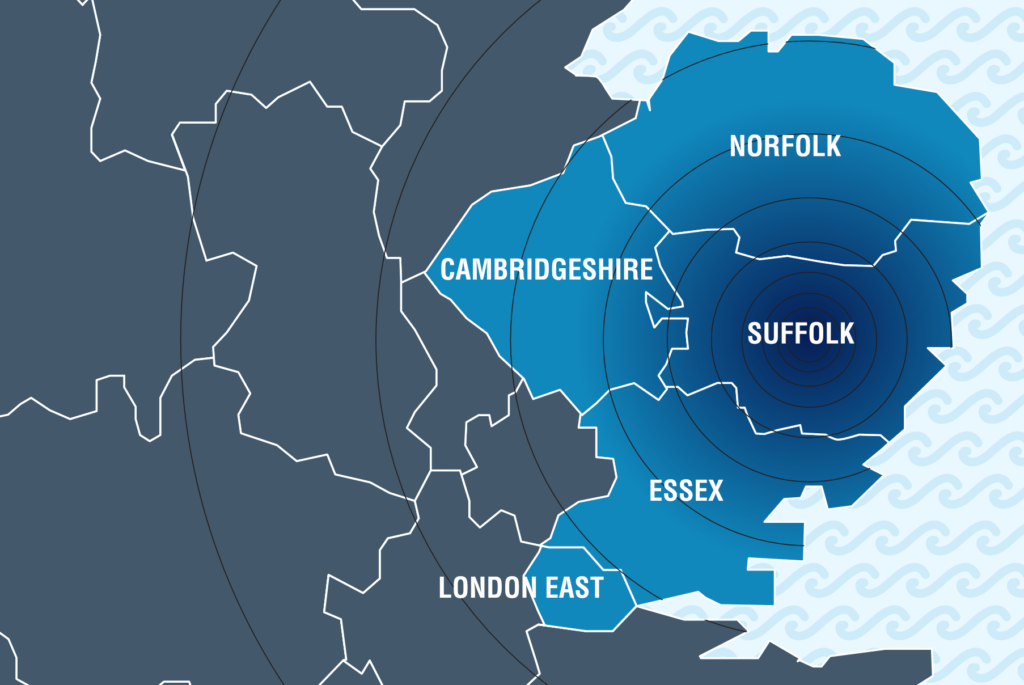
We carry out clear masonry membrane treatments across Suffolk, Norfolk, Essex, and Cambridgeshire as part of our wider exterior protection service. Every job begins with a free inspection to confirm the cause of any existing damp and assess the suitability of the brickwork for treatment. We will never recommend a treatment that will not deliver a lasting result.
Where repointing or mortar repairs are needed before the membrane can be applied effectively, we carry these out as part of the same works. This joined-up approach — repairing the structure, then protecting it — is the difference between a short-term fix and a long-term solution.
If your brickwork is allowing water in, or if you simply want to get ahead of the problem before damage occurs, call us on 01473 561 031 or request a free inspection below. We cover all of East Anglia and there is no obligation to proceed after the inspection.