Woodworm is one of the most common — and most misunderstood — property problems affecting homes across Ipswich and Suffolk. If you have spotted small holes in your floorboards, joists, skirting boards, or furniture and are wondering whether you have a woodworm problem, this guide will walk you through exactly what to look for, where to check, and how to tell an active infestation from old, historic damage that may need no treatment at all.
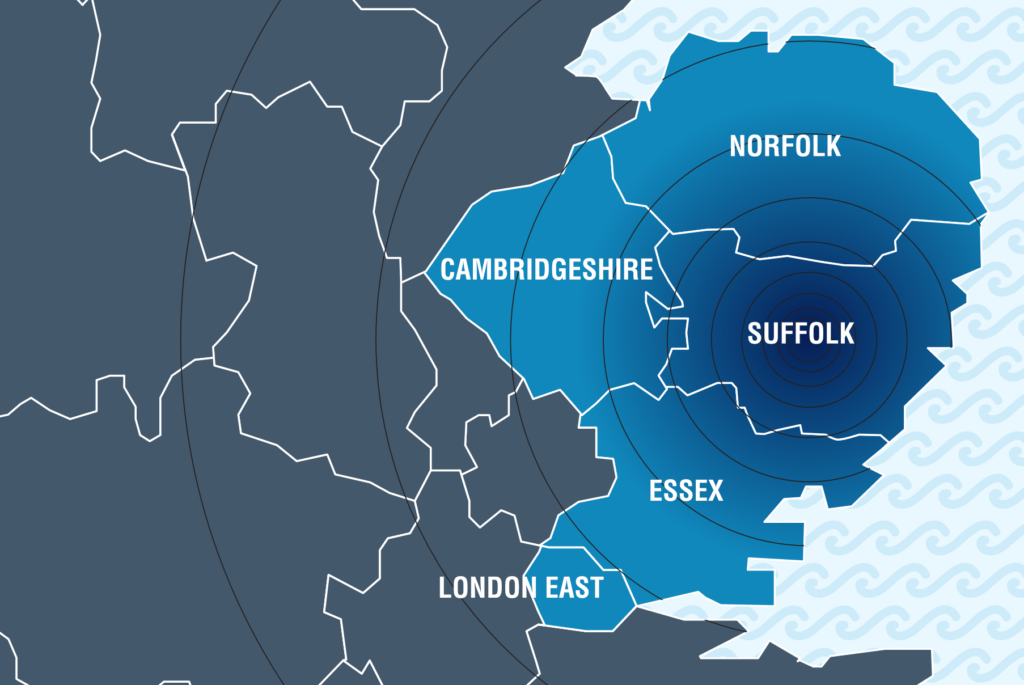
At KDS Property Preservation, we carry out free woodworm inspections across Ipswich, Felixstowe, Woodbridge, Stowmarket, Bury St Edmunds, Sudbury, and all of Suffolk. We see woodworm in properties every week — and the single most common cause of unnecessary anxiety is homeowners who spot old flight holes from a long-dead infestation and assume the worst. Equally, we see properties where an active infestation has been quietly spreading for years because the signs were missed. Knowing the difference is everything.
Quick Answer: The Key Signs of Active Woodworm
- Fresh, cream-coloured powdery dust (called frass or bore dust) around or beneath small round holes in timber
- Bright, clean-edged flight holes with no discolouration, paint overspray, or dirt inside them
- Small brown beetles (2–4mm long) found on windowsills, near timber, or on floors between May and September
- Timber that feels soft, spongy, or crumbles easily when you press it with a penknife or screwdriver
- A network of tunnels visible on the cut face or broken edge of damaged timber
What Is Woodworm — and Why Is Suffolk So Affected?
The term "woodworm" does not refer to a worm at all. It is the larval stage of several species of wood-boring beetle. The most common in Suffolk homes is the common furniture beetle (Anobium punctatum), though death watch beetles (Xestobium rufovillosum) are also found in older buildings — particularly timber-framed properties, churches, and barns across rural Suffolk. House longhorn beetles (Hylotrupes bajulus), though rarer, can cause severe structural damage to roof timbers.
Suffolk's housing stock makes it particularly susceptible. The county has a high proportion of pre-1919 properties — Victorian terraces in Ipswich, Georgian townhouses in Bury St Edmunds, listed timber-framed buildings across the Stour Valley, and traditional farmhouses and cottages throughout the rural areas. These properties almost all have suspended timber floors, ageing roof structures, and poorly ventilated sub-floor voids — the exact conditions that wood-boring beetles thrive in. Add the clay soils and high water table across much of the county (which raise damp levels in older properties), and you have a region where woodworm is a genuine and common problem.
Active vs Inactive: The Most Important Distinction in Ipswich Homes
The single most important thing to establish when you find holes in your timber is whether the infestation is active (larvae are still feeding) or inactive (the beetles emerged, possibly years ago, and are no longer present). Treating an inactive infestation is an unnecessary expense. Missing an active one means the damage continues to grow.
- →Fine, cream or off-white powder (frass) on or below the timber — it looks like very fine sawdust
- →Flight holes with bright, clean edges — no dirt or paint inside them
- →Beetles found alive on windowsills, walls, or flooring, particularly May to September
- →Timber feels soft or spongy when you press it firmly — it may crumble
- →Holes that appear fresh and were not there previously
- →A faint musty or dry-wood smell in an enclosed timber void
- →Old flight holes darkened with age, dirt, or filled with paint overspray from previous decoration
- →No frass visible around or beneath the holes
- →Timber feels structurally firm — no give when pressed
- →No beetles seen during summer months
- →Holes are isolated to a small area and have been unchanged for years
- →Previous treatment record exists for the property
The Frass Test
The most reliable field test: lay a white piece of paper beneath a suspected area and tap the timber gently. Fresh frass — cream-coloured, slightly gritty, like fine sand — will fall onto the paper if larvae are actively tunnelling. Dark, clumped, or absent debris suggests an old infestation. Our inspectors use this test alongside moisture meters on every visit.
Where to Look in Your Ipswich or Suffolk Property
Woodworm is not always in obvious places. In Suffolk homes — particularly Victorian terraces in Ipswich and older rural properties — the highest-risk areas are often the ones you see least. Here is where to check, in order of priority:
Sub-floor void and floor joists
High RiskThe highest-risk area in any Suffolk property with a suspended timber ground floor. The combination of limited airflow, proximity to the ground, and often-elevated moisture levels makes sub-floor voids ideal for wood-boring beetles. Lift a floorboard near an exterior wall and inspect the joists with a torch — look for frass on the joist undersides and flight holes in the sapwood sections (the pale outer rings of the timber).
Loft timbers and roof structure
High RiskRafters, purlins, ceiling joists, and binders in the roof space are frequently affected in older Suffolk homes where the loft is poorly ventilated. Take a torch into the loft and work systematically across the timbers — look for frass on the surfaces below and fresh holes in the grain. Death watch beetle (which creates slightly larger, more irregular holes) is more likely here in properties over 100 years old.
Staircase and treads
Medium RiskThe underside of staircases — particularly where the soffit is enclosed — traps humidity and is rarely inspected. Check the stringers, risers, and the soffit lining beneath the stairs for flight holes and frass.
Floorboards
Medium RiskThe boards themselves as well as the joists underneath. Holes in floorboards are often the first sign homeowners notice — but the infestation usually extends to the joists beneath, which are structurally more important.
Door frames, window boards, and skirtings
Medium RiskStructural joinery is susceptible, particularly where it contacts damp masonry. Check the lower sections of door frames and window boards in rooms that have had damp issues.
Old furniture and antiques
Lower RiskAntique furniture — particularly pieces made from softwood sapwood — can carry active infestations. The concern is that beetles emerging from furniture will then lay eggs in structural timbers. If you have bought antique furniture and later notice beetles on your windowsills, this is a likely source.
What the Beetles Actually Look Like
Between May and September, adult wood-boring beetles emerge from timber to mate. If you find small brown beetles on your windowsills, floors, or near timber during this period, this is a strong indicator of an active infestation — because the beetles are attracted to light after emerging and will head for the nearest window. Here is how to identify the most common species found in Suffolk:
Common Furniture Beetle (Anobium punctatum)
Size: 2.5–4.5mm
Death Watch Beetle (Xestobium rufovillosum)
Size: 6–9mm
House Longhorn Beetle (Hylotrupes bajulus)
Size: 10–20mm
Why Damp Makes Woodworm Worse in Suffolk Properties
Woodworm and damp are closely linked — and this is particularly relevant for homeowners across Ipswich and the wider Suffolk area. The common furniture beetle prefers timber with a moisture content above 18%. Dry, well-ventilated timber at normal indoor humidity levels (moisture content around 10–14%) is far less attractive for egg-laying.
Many Suffolk properties — particularly Victorian terraces in Ipswich, cottages in the Stour Valley, and older homes near the coast at Felixstowe and Woodbridge — have persistent damp issues that create ideal conditions for woodworm. Common contributing factors include:
- Failed or absent damp proof courses allowing rising damp to raise moisture levels in ground floor timbers
- Blocked or insufficient sub-floor ventilation trapping moisture beneath suspended timber floors
- Penetrating damp through old brick or render allowing water into wall cavities and adjoining timber
- Condensation in poorly insulated loft spaces raising timber moisture content in rafters and joists
- Leaking roofs or gutters allowing water ingress to roof timbers over many years
This is why a woodworm inspection that does not also assess the moisture levels of affected timbers is incomplete. If you treat woodworm without addressing the underlying damp, the conditions remain favourable for re-infestation. At KDS, every woodworm inspection includes moisture readings on all affected timbers and a damp assessment of the surrounding area.
Woodworm in Specific Ipswich Property Types
Victorian Terraces (Ipswich Town Centre, Wherstead Road Area, Nacton Road)
The most common property type in Ipswich by volume. Almost all have suspended timber ground floors with limited sub-floor ventilation — often the air bricks are blocked or painted over. Woodworm in the floor joists of these properties is extremely common. The loft spaces also tend to be original Victorian roof structures with sapwood-rich Baltic pine rafters that are highly susceptible.
Edwardian and Inter-War Semis (Rushmere, Broke Hall, Clapgate Lane Area)
Larger properties with more original woodwork including staircases, panelling, and bay window timbers. Similar suspended floor issues to Victorian terraces but often with more complex loft structures. Woodworm in stair strings and treads is particularly common in these homes.
Rural Suffolk Cottages and Farmhouses
The most challenging properties for woodworm. Older timber-framed buildings — particularly those with original oak frames, elm floors, and thatched or clay tile roofs — can harbour both common furniture beetle and death watch beetle. The structural timbers in these properties are often irreplaceable, which makes early detection critically important. Do not wait if you suspect an active infestation.
Post-War Properties (1945–1980s Builds, Ipswich Estates)
Less commonly affected than older buildings, but not immune. Properties built in the 1960s and 1970s with chip-board floors are largely resistant, but original softwood joinery — door frames, window boards, and loft timbers — can still be susceptible, particularly if there have been roof leaks or persistent condensation.
Frequently Asked Questions About Woodworm in Suffolk
Q.Are small holes in my floorboards definitely woodworm?
Not necessarily. Screws, old nails, and previous repair work can leave similar marks. True woodworm flight holes are perfectly round (1–2mm for the common furniture beetle), have a clean internal edge, and will often be surrounded by frass if active. If you are unsure, call us for a free inspection — it takes less than an hour and costs you nothing.
Q.I found holes in my Ipswich home years ago and did nothing. Is it too late?
Probably not. Even long-standing infestations can be successfully treated provided the structural integrity of the timber has not been too severely compromised. We will assess whether structural repair is needed alongside treatment, and we will be honest with you about what we find.
Q.Do I need to move out for woodworm treatment?
For most residential treatments, no. The permethrin-based solutions we use are water-based, low-odour, and safe for re-occupancy within a few hours of application. Sub-floor treatments may require rooms to be cleared temporarily, but full vacation is rarely necessary.
Q.Can I use a DIY woodworm treatment from a hardware shop?
For isolated surface damage to furniture, DIY products can be adequate. For structural timbers — floor joists, rafters, staircases — professional treatment is strongly recommended. DIY concentrations are typically lower than professional-grade formulations and may not penetrate deeply enough to reach active larvae. Mortgage lenders and solicitors almost always require a professional treatment record.
Q.How much does woodworm treatment cost in Ipswich?
Cost depends on the area affected, the species involved, and whether any structural repair is needed. A sub-floor treatment for a typical Victorian terrace in Ipswich will differ from a full roof-space treatment for a large rural farmhouse. We provide a written, itemised quote after a free inspection — there is never any obligation to proceed.
Q.Will woodworm treatment affect my property value?
A professional treatment with a written guarantee typically has a positive effect on saleability, as it removes a potential flag for buyers' solicitors and mortgage lenders. An untreated active infestation can, and does, affect mortgage applications and property sales. Getting it dealt with properly — and getting the paperwork — is nearly always the right financial decision.
What Happens During a KDS Woodworm Inspection in Suffolk?
Our inspections are free, with no sales pressure and no obligation. Here is what a typical inspection involves for an Ipswich or Suffolk property:
Visual inspection of all accessible timbers
We systematically work through each area of concern — sub-floor void, loft, staircase, and any timber you have flagged — looking for flight holes, frass, live beetles, and structural weakness.
Moisture readings
We take calibrated moisture meter readings on all affected timbers. Elevated moisture content tells us both whether conditions remain favourable for re-infestation and whether there is an underlying damp problem to address.
Species identification
We identify the beetle species involved. This affects the treatment method, the guarantee period, and the urgency — death watch beetle in a structural oak beam is a very different situation from common furniture beetle in a piece of furniture.
Structural assessment
Where there is significant tunnelling, we probe the timber to assess whether it retains structural integrity or whether joists, rafters, or boards need reinforcing or replacing before treatment.
Honest report and written quote
We tell you clearly what we found, whether treatment is needed, and what it will cost. If the infestation is inactive and treatment is not required, we will tell you that too — we do not recommend work that is not needed.
Suspect Woodworm in Your Ipswich or Suffolk Home?
Call KDS Property Preservation on 01473 561 031 to arrange a free woodworm inspection at your property. We cover all of Ipswich, Felixstowe, Woodbridge, Stowmarket, Needham Market, Hadleigh, Sudbury, Bury St Edmunds, and the surrounding Suffolk area. Inspections are carried out by our own experienced technicians — not salespeople — and there is no obligation to proceed with treatment.
The Bottom Line for Suffolk Homeowners
Woodworm is extremely common in older Suffolk properties — but the majority of cases we are called to inspect turn out to be either inactive or limited in extent. The key steps are: check the right places (sub-floor void and loft first), look for fresh frass and clean flight holes rather than just holes, note whether you see beetles in summer, and get a professional inspection if you are in any doubt.
If the infestation is active, early treatment is far cheaper and simpler than waiting until structural damage has progressed. If it is inactive, the inspection will give you peace of mind and a written record that is useful if you ever come to sell the property.
KDS Property Preservation has been treating woodworm, rising damp, dry rot, and structural timber problems across Ipswich and Suffolk for years. We offer free inspections, no-pressure advice, and written guarantees on all treatment work. If you have seen the signs described in this guide and want a professional opinion, call us on 01473 561 031 or book online.