Woodworm is one of the most widespread forms of timber damage in UK homes — and one of the most misunderstood. Despite the name, woodworm is not a worm at all. It is the larval stage of several species of wood-boring beetle, most commonly the common furniture beetle (Anobium punctatum). Left untreated, a woodworm infestation can cause serious structural weakening in floor joists, roof timbers, staircases, and furniture. The difficulty is that by the time most homeowners notice the tell-tale exit holes, the infestation may have been active for years.
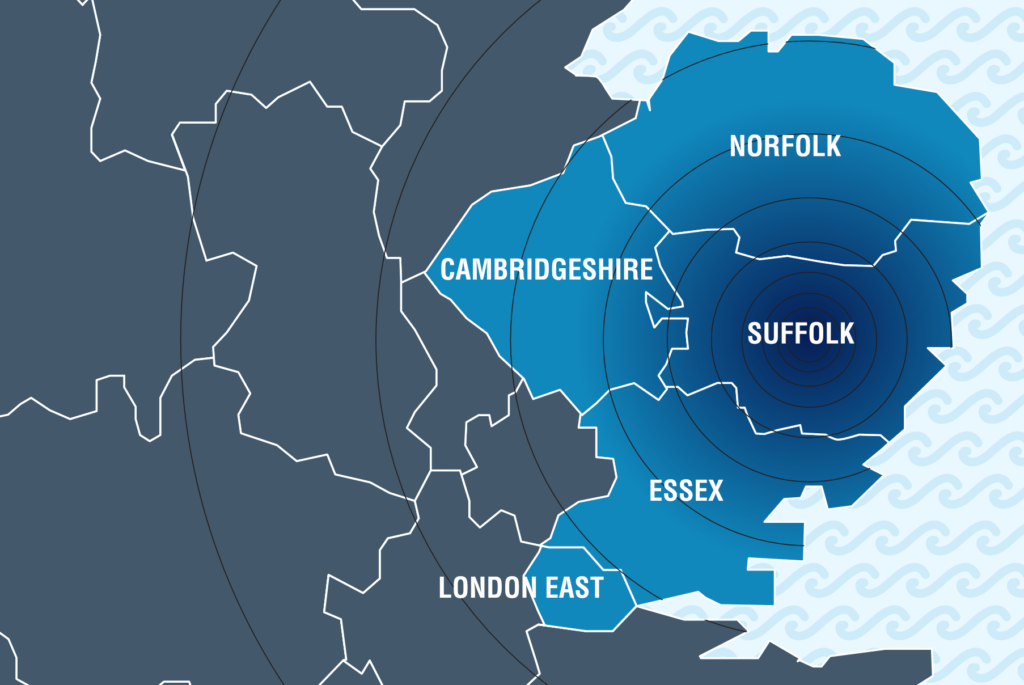
In Suffolk, Norfolk, and Essex, woodworm is particularly prevalent in older properties. Victorian and Edwardian homes with unventilated sub-floor voids, damp roof spaces, and ageing structural timbers provide exactly the conditions that wood-boring beetles seek out. At KDS Property Preservation, we inspect and treat woodworm infestations across Ipswich, Bury St Edmunds, Norwich, Colchester, and the surrounding area — and we know from experience that early treatment makes a significant difference to both the cost and the outcome.
What Is Woodworm and How Does It Develop?
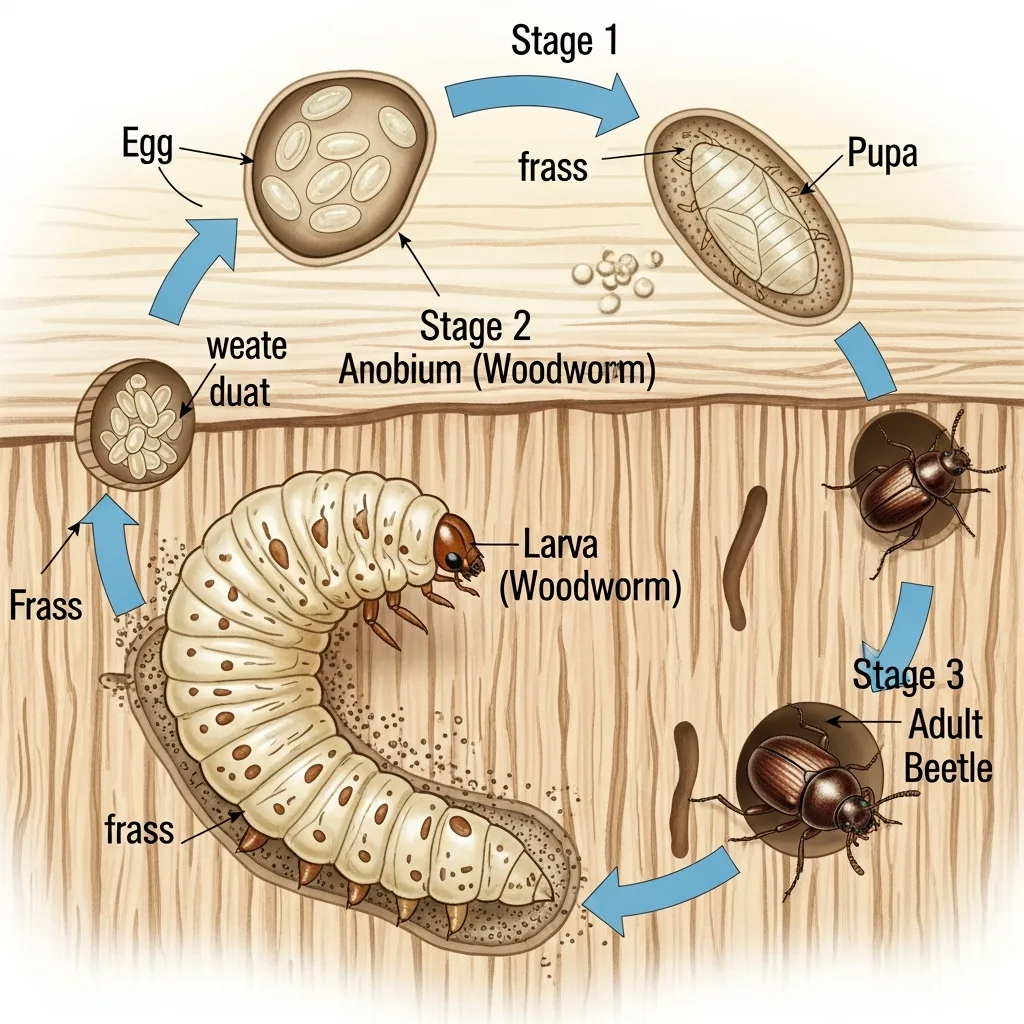
The lifecycle of a wood-boring beetle has four stages: egg, larva, pupa, and adult beetle. It is the larval stage — the so-called woodworm — that does the damage. After adult beetles lay their eggs in the cracks, joints, and end grain of timber, the larvae hatch and immediately begin to bore tunnels through the wood, feeding on the cellulose and starch within. This tunnelling phase can last anywhere from two to five years depending on the species, timber type, and environmental conditions.
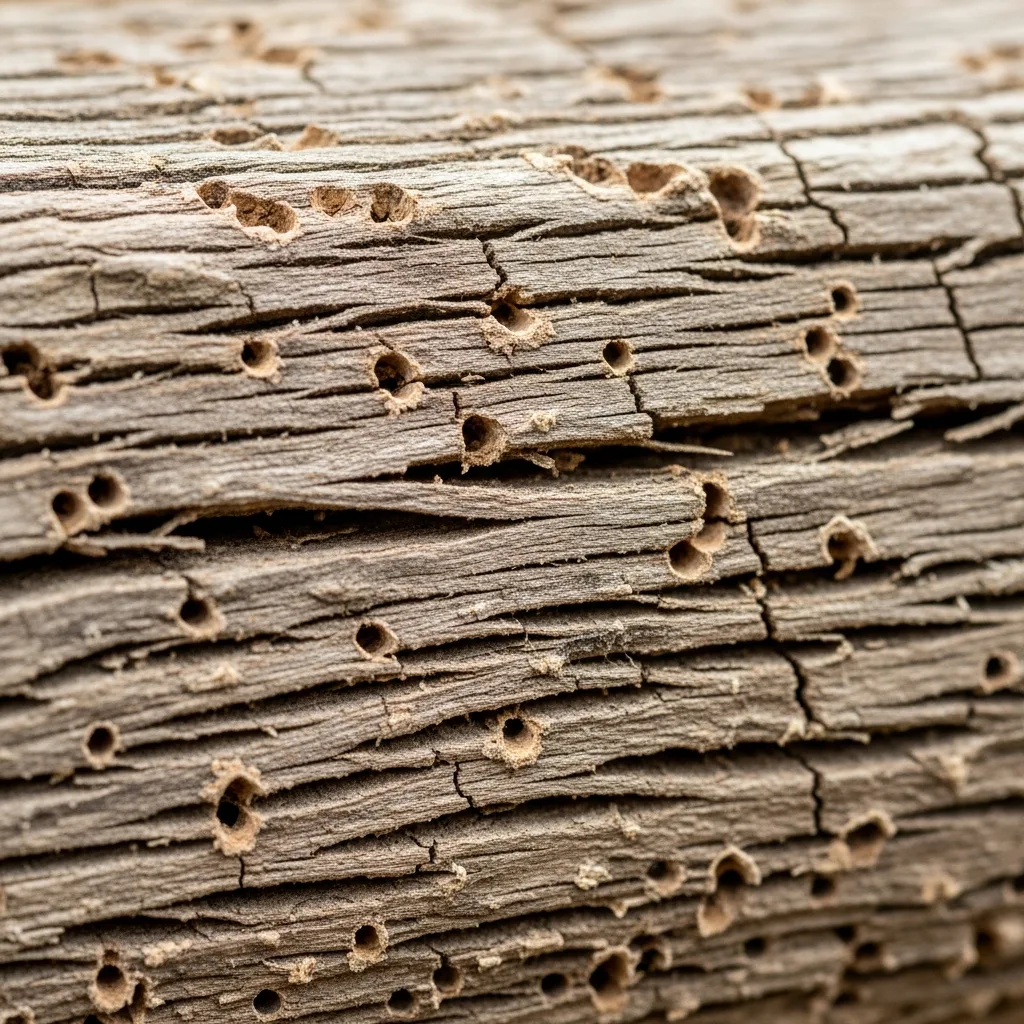
The larvae eventually pupate just below the timber's surface before emerging as adult beetles, leaving the distinctive small round exit holes that most people associate with woodworm. The beetles then fly in search of a mate — typically between May and September — before laying eggs on fresh timber and beginning the cycle again. This is why an untreated infestation does not simply disappear on its own: each emerging generation extends and spreads the damage.
Signs of Woodworm to Look For
The most important distinction when inspecting suspected woodworm is whether the infestation is active or inactive. Old, historic exit holes do not necessarily indicate a current problem. Look for these signs:
- Fresh, cream-coloured frass (bore dust) around or beneath exit holes
- Bright, clean-edged exit holes with no dust or discolouration
- Adult beetles found on windowsills or near timber between May and September
- Timber that crumbles or feels spongy when pressed
- Tunnel networks visible on broken or cut timber surfaces
- Old, darkened exit holes filled with dirt or paint overspray
- No frass present — holes are clean but discoloured
- Timber feels structurally sound when pressed
- No adult beetles seen in the property during summer months
If you are unsure whether an infestation is active, the safest approach is to have a professional inspection. We use moisture meters and probes alongside a visual inspection of frass colour and hole freshness to give an accurate assessment. A free inspection costs you nothing, and the peace of mind is worth a great deal.
Which Timbers Are Most at Risk?
Not all timber is equally susceptible to woodworm attack. The common furniture beetle strongly prefers sapwood — the pale outer layer of a tree — over heartwood. This is why you often see damage concentrated around the edges of structural timbers rather than through their full cross-section. It also explains why older, air-dried hardwood furniture is sometimes less severely affected than newer softwood joinery. Timbers most commonly affected include:
- Suspended timber floor joists — particularly in unventilated sub-floor voids where humidity is high
- Roof timbers, rafters, and purlins in poorly ventilated loft spaces
- Staircases and stair treads, especially in older properties where the underside is enclosed
- Structural joinery including door frames, window boards, and skirtings
- Old furniture — particularly antique pieces made from sapwood-rich softwoods
- Floorboards — both the boards themselves and the joists beneath
Damp timber is significantly more vulnerable than dry timber. Moisture content above 18% creates the conditions the common furniture beetle prefers for egg-laying. This is why woodworm so frequently accompanies other damp problems — rising damp, poor sub-floor ventilation, or condensation in the loft are often precursors to woodworm activity. Treating the damp at the same time as the woodworm is essential to prevent re-infestation.
How Is Woodworm Treated Professionally?
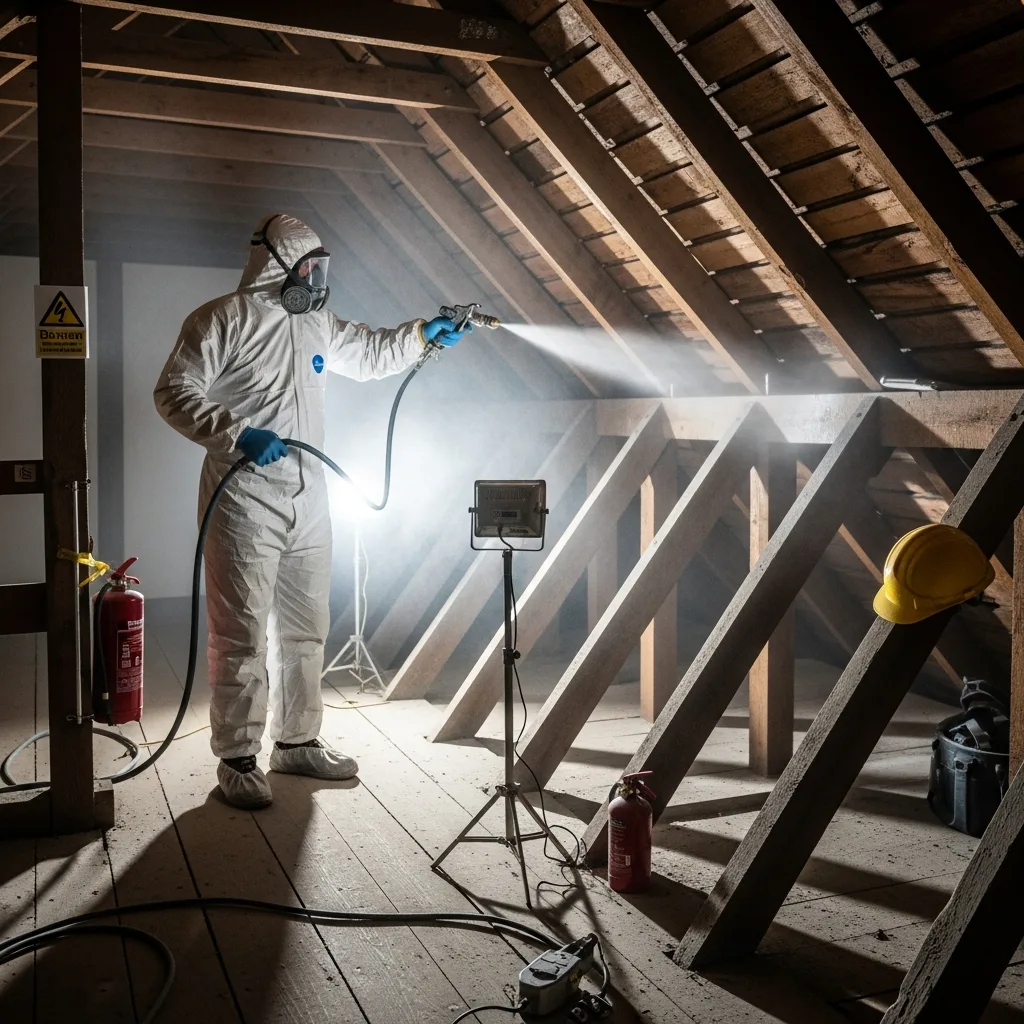
Professional woodworm treatment involves applying a penetrating insecticidal solution to all affected and at-risk timbers. The active ingredient — typically permethrin or a similar synthetic pyrethroid — penetrates the timber and remains active within the wood, killing larvae on contact and providing residual protection against re-infestation.
The process we follow at KDS involves:
Thorough inspection
We inspect all accessible timbers using moisture meters and visual analysis to confirm whether the infestation is active, identify the species involved, and assess the extent of any structural damage.
Timber assessment
Where timbers have been structurally weakened by extensive tunnelling, we identify joists, boards, or structural members that require repair or replacement before treatment.
Application of insecticidal solution
We apply a low-odour, water-based permethrin solution by spray or brush to all affected timbers, ensuring complete coverage including end grain, joints, and undersides.
Addressing underlying damp
Where damp conditions contributed to the infestation, we recommend appropriate damp treatment — whether improved sub-floor ventilation, a damp proof course, or drainage improvements — to prevent recurrence.
Written report and guarantee
We provide a written treatment record and, where applicable, a guarantee on the treatment against re-infestation for a set number of years.
How Long Does Woodworm Treatment Last?
A professionally applied permethrin-based treatment will remain active within the timber for many years. Most professional treatments carry a guarantee of 20–30 years against re-infestation by the common furniture beetle, provided the underlying conditions that encouraged the original infestation — typically excess moisture — are also addressed.
It is worth noting that some flight holes may continue to appear for a season or two after treatment, as larvae already deep within the timber complete their development before emerging. This does not mean the treatment has failed — the newly emerged beetles will have been exposed to the residual insecticide during their pupal stage. If you are concerned about holes appearing after treatment, contact us and we will revisit to assess.
Can You Treat Woodworm Yourself?
DIY woodworm treatment products are widely available in hardware shops, and for very minor surface infestations in accessible furniture they can be effective. However, for structural timbers — floor joists, rafters, staircases — professional treatment is strongly recommended for several reasons:
- DIY products are typically lower concentration than professional-grade formulations and may not penetrate deep enough into dense structural timber to reach active larvae
- Correctly identifying whether an infestation is active requires experience — treating inactive woodworm unnecessarily wastes money and exposes the property to unnecessary chemical use
- Structural damage assessment requires expertise — weakened joists or rafters may need reinforcement or replacement before treatment
- Professional treatment comes with a written guarantee, which is often required by mortgage lenders and insurers for older properties
Buying or Selling a Property with Woodworm?
Woodworm is frequently flagged during pre-purchase inspections. Mortgage lenders and solicitors often require evidence of professional treatment or a specialist inspection before proceeding. We provide written inspection reports and treatment records that satisfy most lender requirements. Call us on 01473 561 031 to arrange a pre-purchase inspection at short notice.
The Bottom Line
Woodworm is extremely common across the older housing stock of Suffolk, Norfolk, and Essex — but it is also very treatable when caught in time. The key is to distinguish active from inactive infestations, address any underlying damp that created favourable conditions, and apply professional-grade treatment to all at-risk timbers.
If you have spotted flight holes in your floorboards, joists, or roof timbers — or have been told by a solicitor that your property has a woodworm problem — our team is on hand to carry out a free, no-obligation inspection across Ipswich, Bury St Edmunds, Norwich, Colchester, and all of the surrounding area. We will tell you honestly whether treatment is needed, what it involves, and what it will cost.